

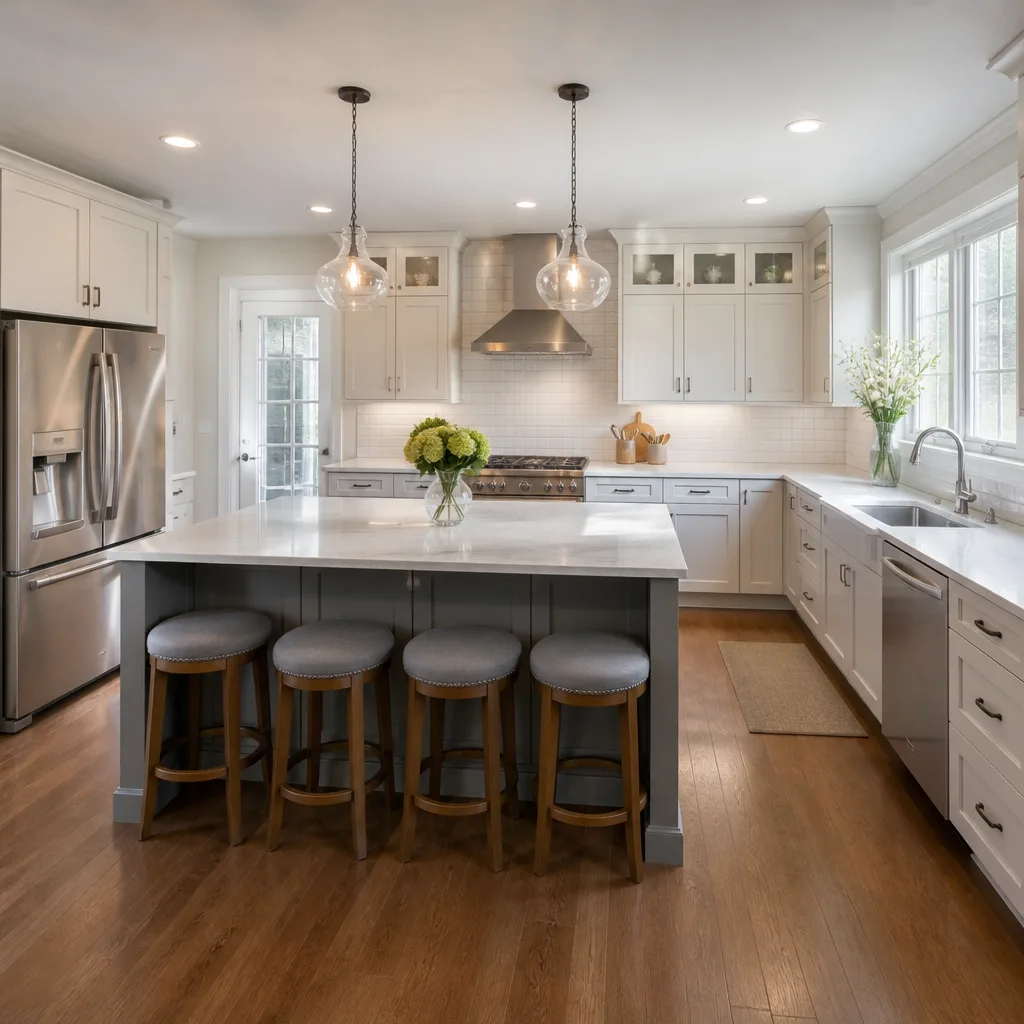
 Kitchen remodeling
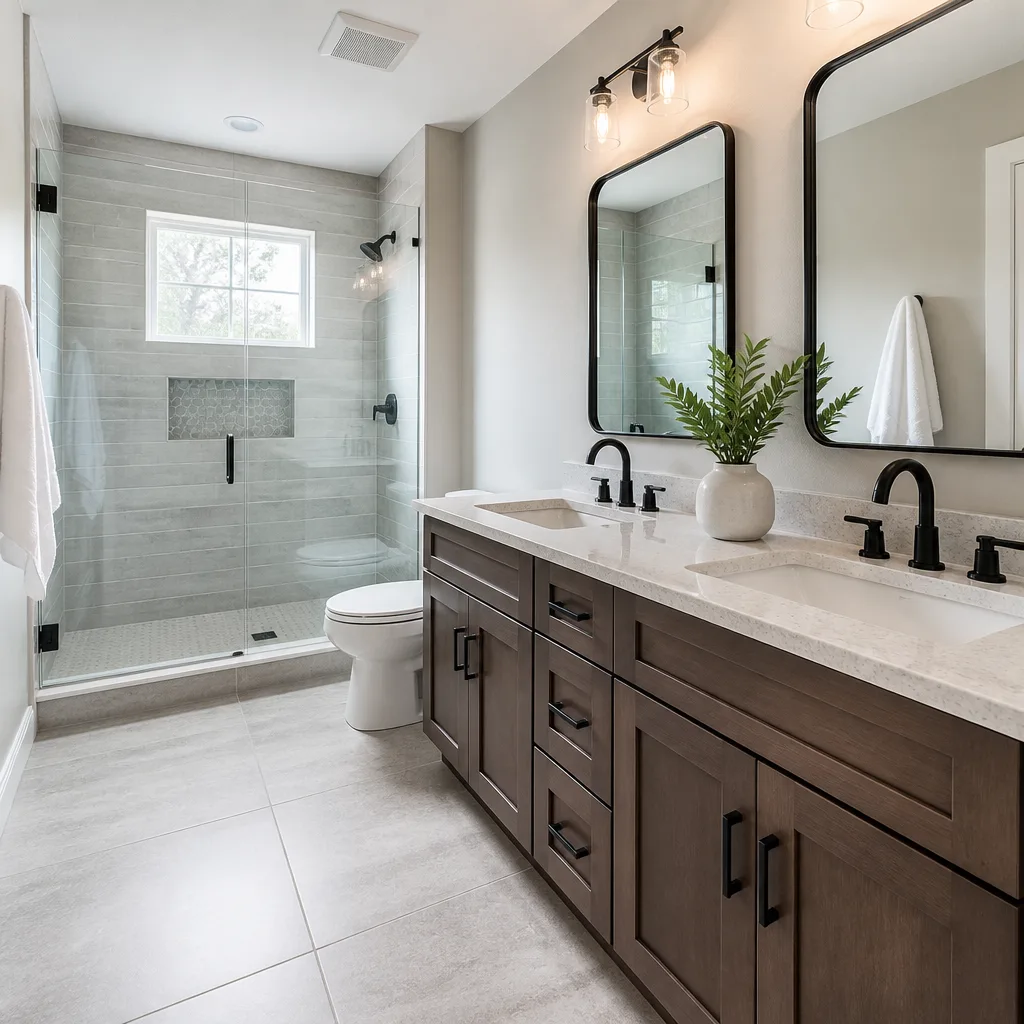 Bathroom remodeling
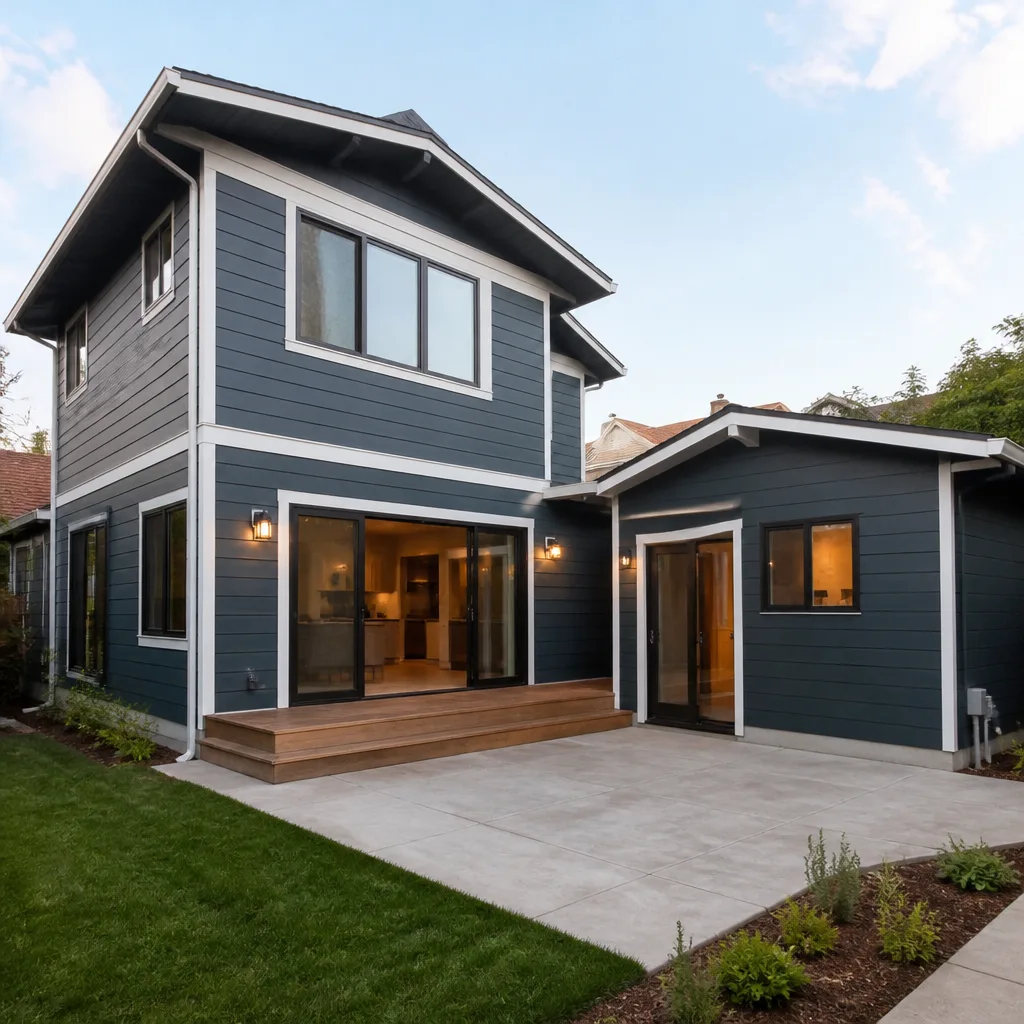 Home additions & ADU
 Roofing
 Windows & doors
 Driveway & pavers
 Fence
Free written scope consultation - allowances, timeline, and change-order rules on paper before a single trade is scheduled
Silestone Construction in Stanford, CA | Workshop Contractors
We’re an independent Silestone specialist serving Stanford, CA, and offering Palo Alto Silestone service. Our team installs, repairs, and replaces engineered quartz countertops across campus housing, faculty homes, and graduate residences throughout the 94305 ZIP. What separates our Silestone work in Stanford specifically: we understand the University’s planning review process and the historic cabinet dimensions that make templating here fundamentally different from anywhere else on the Peninsula. For Silestone projects that actually get approved and installed without friction, call (844) 384-3361.
Why Stanford Residents Choose Us for Silestone Service
Stanford construction demands a contractor who has already been through the process. Noel Figueroa, our owner and general contractor, spent his early years learning framing from tradesmen who built half the houses on his street in Ontario’s Vineyard neighborhood. That foundation in measuring twice and cutting once translates directly to Silestone work on nonstandard Stanford cabinetry.
We carry vetted relationships with Silestone distributors across the Bay Area, which means we source genuine slabs, not warehouse seconds. But we’re not manufacturer-affiliated. You get straight advice on whether your Silestone countertop should be repaired or replaced, without a brand representative steering you one direction. For Stanford homeowners navigating University design review, we prepare cut sheets and material specifications in the format the planning office expects.
Our Stanford service area coverage means we’re already familiar with the campus roads, faculty neighborhoods, and graduate housing layouts. We know where parking is a problem, where delivery trucks can’t fit, and which buildings require special access credentials.
Styles & brands we work with
Common Silestone Construction Problems We Solve in Stanford
- Thermal shock cracking around cooktops. Faculty housing kitchens built in the 1950s and 60s were designed for electric coil ranges with modest BTU output. Modern induction and gas cooktops pump significantly more heat into the surrounding stone. In the tight kitchens of Escondido Village and older campus housing, we regularly see hairline cracks radiating from cooktop cutouts where Silestone absorbed heat unevenly without adequate ventilation space.
- Edge chipping and seam separation from seismic movement. Stanford sits on clay-heavy soils that expand and contract through wet winters and dry summers. Older masonry buildings shift subtly but constantly. Countertops bonded with rigid adhesive transfer that movement straight to the stone. We use flexible silicone at the substrate interface, which absorbs micro-movement and keeps seams from opening up.
- Mineral staining and dulling in high-turnover graduate housing. Stanford water runs hard, and graduate kitchens see rotating tenants who rarely reseal stone. We see etched, cloudy Silestone surfaces around sink cutouts in Escondido Village and Rains graduate housing, where mineral deposit layers dull the finish. Quartz won’t etch like marble, but hard water buildup mimics etch damage.
- Impact cracks in communal kitchenettes. Shared kitchen spaces in graduate residences see dropped pots, cast iron pans, and ceramic dishes on a weekly cycle. Combined with cabinet frames that flex from clay-soil settlement, impact damage turns into hairline crack networks faster here than in single-family kitchens with stable foundations.
- Nonstandard cabinet dimensions defeating template defaults. Stanford’s older housing stock predates modern cabinet standards by a generation. Standard 25.5-inch-depth templates don’t fit cabinets that are 1 to 2 inches shallower. Big-box installers cut on standard assumptions and leave overhangs wrong, seams visible, and edges protruding. We template every project on-site.
Silestone Service in Stanford: What the Growth Control Ordinance Means for Your Countertops
Here’s what most countertop contractors won’t tell you about working in Stanford: the University’s Growth Control Ordinance largely prohibits net new campus square footage. That means nearly all Silestone work here is replacement or refacing within existing building envelopes. You’re not adding a kitchen; you’re upgrading the countertops inside a room that was permitted decades ago, often under a different set of architectural standards.
This constraint shapes everything about how we approach Silestone in Stanford. We template to historic cabinet runs that no modern specification accounts for, meaning we measure every dimension on-site, cut slabs to nonstandard depths, and seam-match new sections to existing perimeter counters. When a faculty home near the Stanford quad has original 1960s cabinetry that’s 1.5 inches shallower than today’s standard, we cut the slab to match. There’s no shortcut. You adapt the stone to the structure, not the other way around.
Silestone Models & Products We Service in Stanford
We work across the full Silestone sales & service catalog: Eternal Series (Eternal Marfil, Eternal Calacatta Gold), Stellar Series (Stellar Snow, Stellar Night), Iconic Series (Iconic Black, Iconic White), and Lagoon Series (Lagoon Cielo, Lagoon Serena). Each line has different veining density, pigment depth, and edge chipping characteristics, and we stock color-matched seam adhesives for the most common lines used in Stanford kitchens.
When it comes to installation materials, we use genuine Silestone slabs sourced through authorized distributors and pair them with aftermarket diamond tooling for cutting and polishing. For Stanford’s older masonry buildings, we default to flexible silicone rather than rigid epoxy, which lets the stone breathe through seasonal movement. We recommend replacement over patching when a countertop has multiple cracks or widespread staining because quartz cannot be refinished like natural stone.
See the difference
 Before
 After
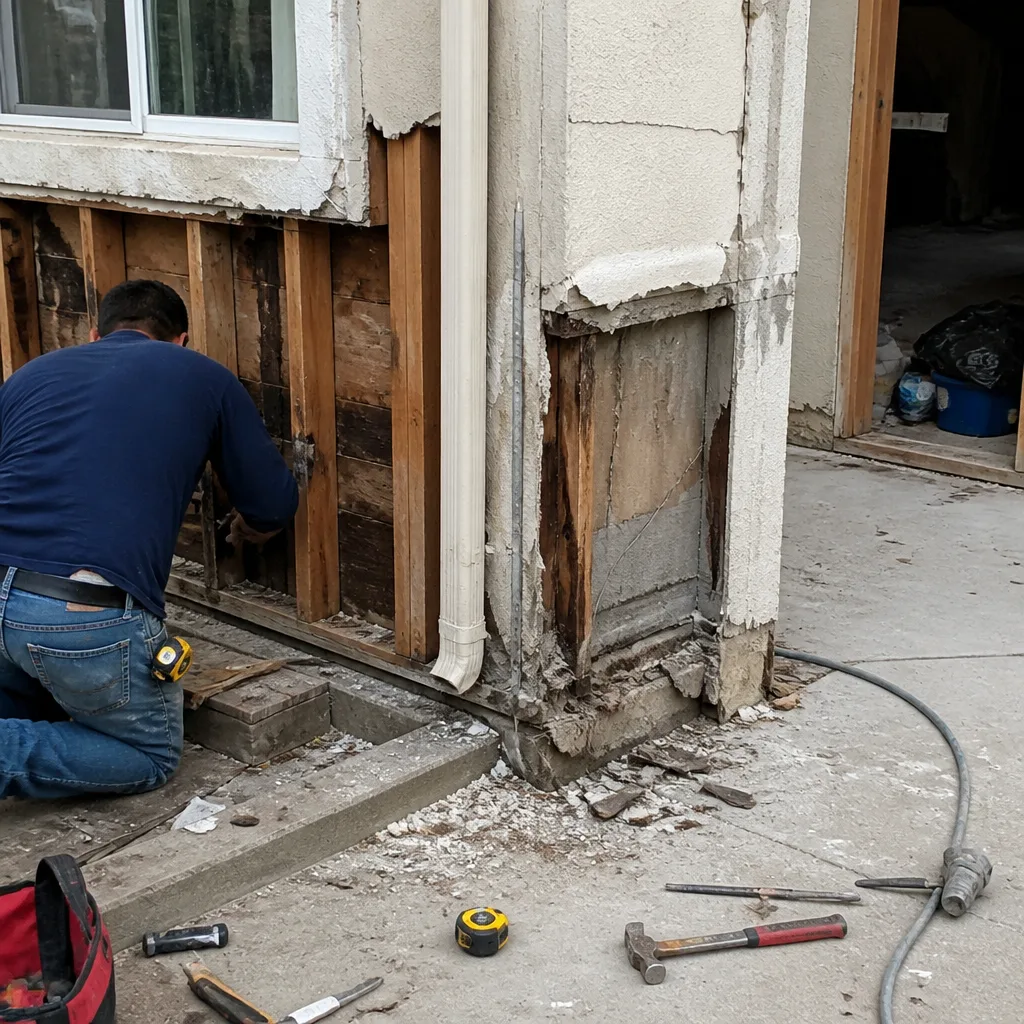 Before
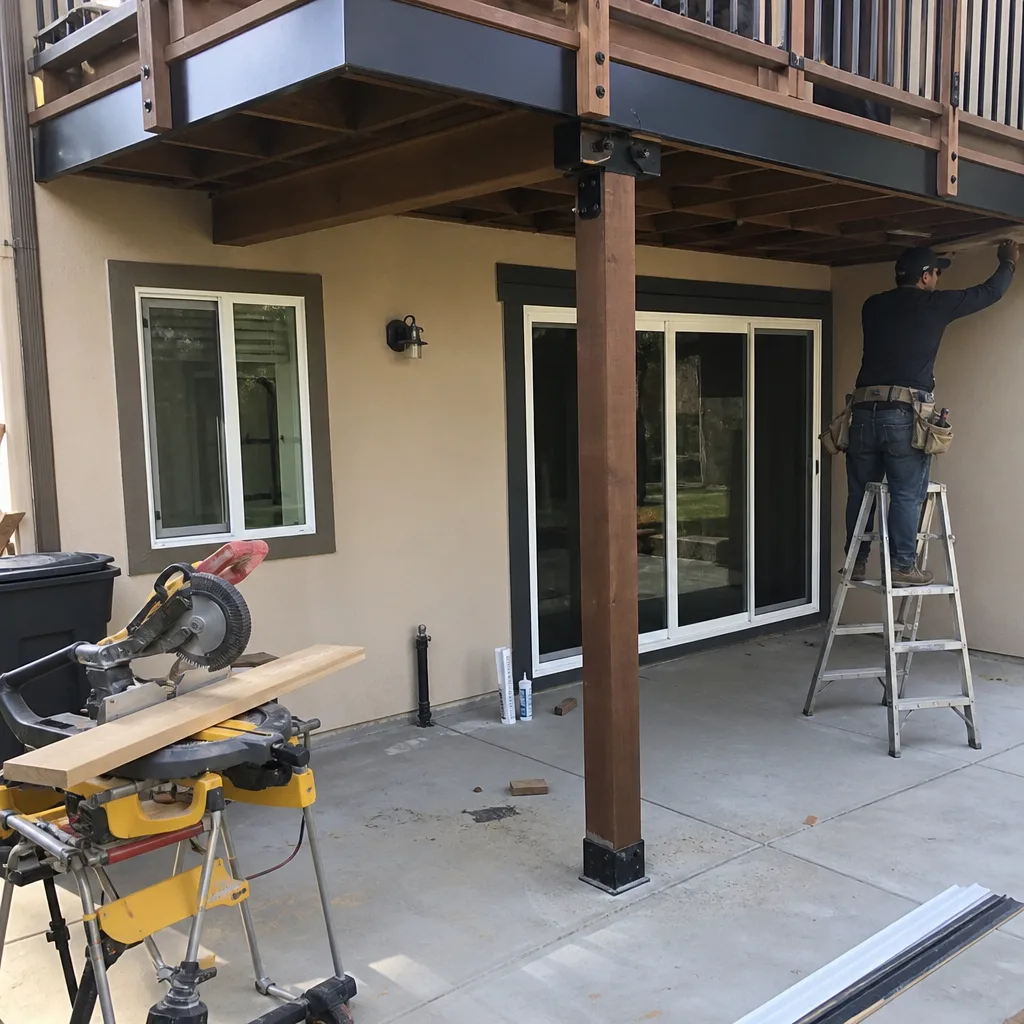 After
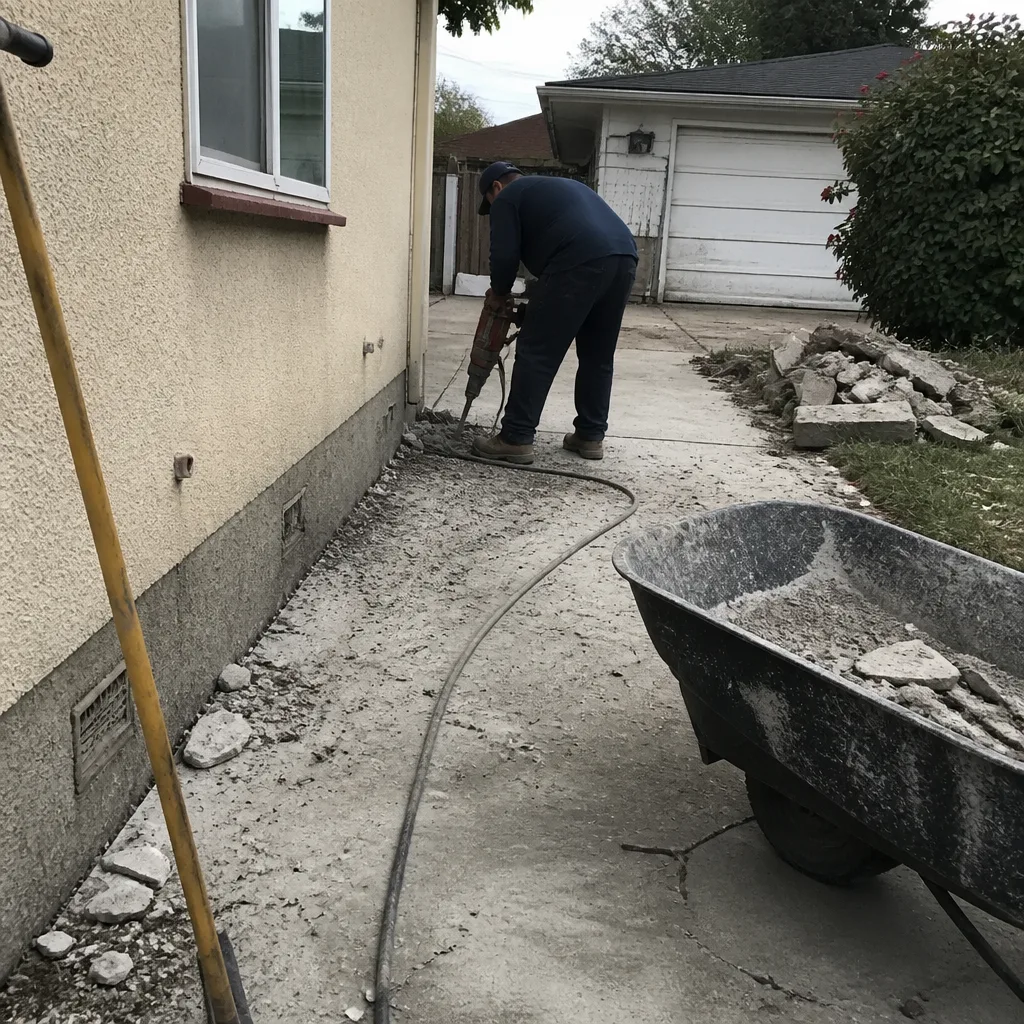 Before
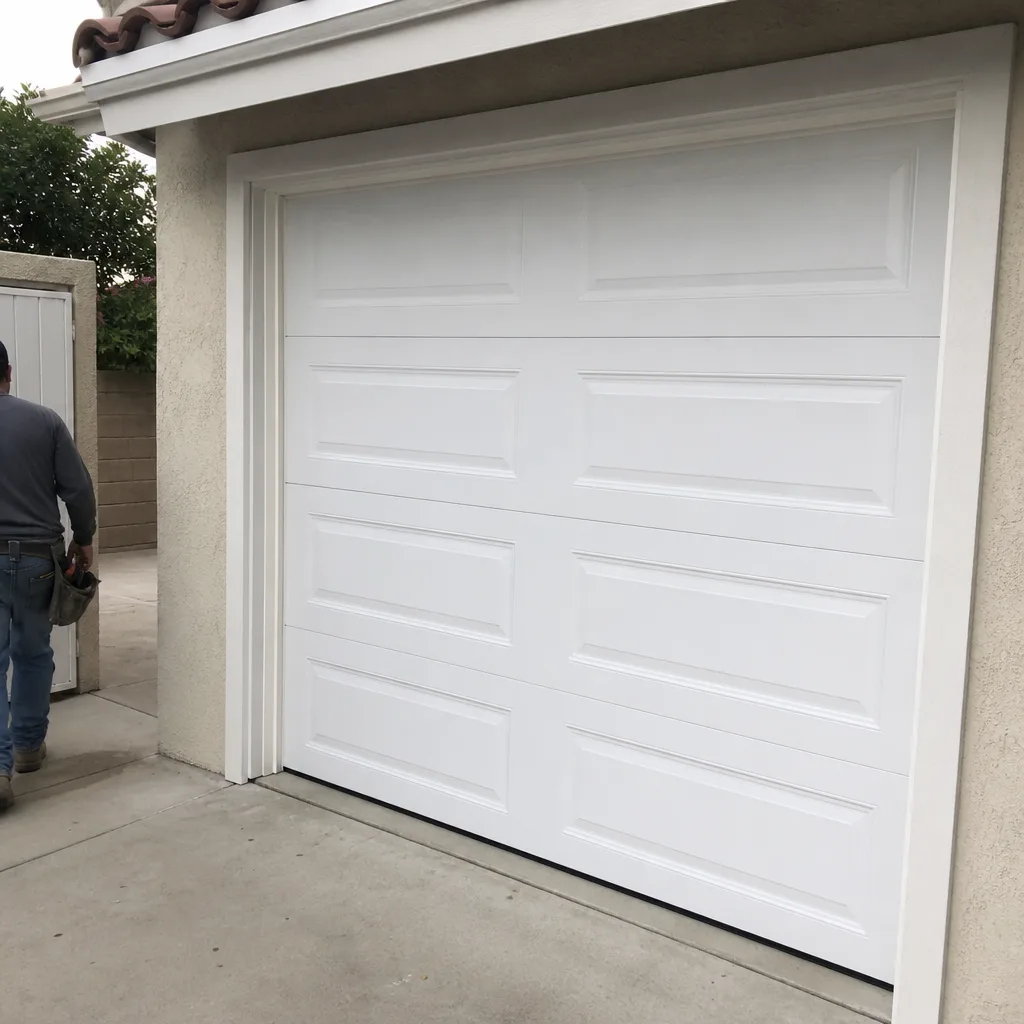 After
Silestone Service Pricing in Stanford
Countertop work in Stanford runs on the same market ranges we use across the Peninsula, including our Silestone service in West Menlo Park. What changes the number is the substrate: older homes with heavy cabinet modification or seismic-flexible adhesive requirements sit at the higher end. Here’s what we typically quote:
| Service | Typical Range |
|---|---|
| Countertop Installation | $2,000 – $6,500 |
| Kitchen Island Installation | $3,000 – $10,000 |
| Bathroom Vanity Installation | $800 – $3,000 |
| Backsplash Installation | $800 – $2,500 |
Your free estimate covers on-site templating, material selection guidance, and a written line-item quote. No design deposit required for the first conversation. Call (844) 384-3361 and we’ll walk through your space.
Serving Stanford, CA — Our Local Coverage Area
We’re based in the Stanford area and know this community well, and we also provide Silestone in Los Altos Hills. Use the map below to see our service coverage — if you’re nearby, we can almost certainly help.
FAQs – Silestone Construction in Stanford
Yes. We template directly to the existing cabinet footprint, including nonstandard depths and corner conditions, and we cut the Silestone slab to match. We’ve installed in 1960s faculty homes near the quad where the original cabinet run varies up to an inch and a half from modern standards. Flexible adhesive accommodates minor seismic movement without disturbing the original cabinet structure. Call (844) 384-3361 for an exact assessment of your cabinets.
Yes, typically weeks and sometimes months. Plans clear University planning and design review before the County issues the building permit, which means material specifications and cut sheets must be submitted in the format Stanford’s office expects. We prepare those documents as part of our scope. It’s one reason to start early and call (844) 384-3361 as soon as you know you want the work done.
Eternal Calacatta Gold pairs well with the warm sandstone tones of the Olmsted-era quad, while Iconic White or Lagoon Serena reads more contemporary against mid-century faculty housing interiors. We keep physical samples of the most-requested Stanford lines on hand so you can hold them against your existing finishes before committing.
We place seams where the slab’s natural veining allows them to disappear, not where the cut is cheapest. For islands that butt against existing perimeter counters, we seam-match like lines and use translucent adhesive matched to the slab, then finish the seam with diamond polishing. In bright Stanford kitchen light, a poorly placed seam is obvious; a well-placed one vanishes. Call (844) 384-3361 for a seam-placement evaluation.
It performs well. Silestone’s low porosity means the damp winter air and shower humidity in Stanford bathrooms won’t penetrate the way it can with natural stone. The main consideration is mineral buildup from hard water on exposed edges; a quick wipe-down after showers handles it. We recommend Silestone over marble for Stanford bathroom vanities and can quote your specific configuration at (844) 384-3361.
Service Areas Near Stanford
From our Bay Area base, we serve homeowners throughout the mid-Peninsula. That includes Silestone service in Ladera for hillside homes with their own foundation challenges, and Silestone service in Portola Valley for properties that face similar design review dynamics. We also cover Woodside, Menlo Park, Atherton, Los Altos Hills, and Palo Alto.
Book Your Silestone Service in Stanford Today
If you’re planning countertop work in Stanford, or need Silestone service in Los Altos, start with the free estimate. We’ll measure, quote, and handle the University paperwork. Build it right the first time. The second time costs twice as much and nobody’s happy about it. Call (844) 384-3361.
Written by Noel Figueroa, Owner at Workshop Contractors, serving Stanford since 2009.