

 Kitchen remodeling
 Bathroom remodeling
 Home additions & ADU
 Roofing
 Windows & doors
 Driveway & pavers
 Fence
Free written scope consultation - allowances, timeline, and change-order rules on paper before a single trade is scheduled
Silestone Construction in Mission District, CA | Workshop Contractors
We’re Workshop Contractors, and we provide independent Silestone service across Mission District, CA. We template, cut, install, and repair Silestone countertops in the neighborhood’s pre-1906 Victorians and Edwardians, plus the stucco infill buildings that came later. What makes our Silestone work here different is simple: we know the Mission’s old wood-frame floors move, and we build for that before the slab ever touches the cabinets. Call (844) 384-3361 to schedule a free estimate.
Why Mission District Residents Choose Us for Silestone Service
Silestone behaves differently in the Mission District than Silestone in Visitacion Valley or in a tract home in the East Bay. The floors under these 1880-to-1906 wood-frame buildings deflect. Cabinet runs that looked level at install drift over time. When a homeowner calls us because a seam has opened or a corner chipped, we don’t just look at the quartz. We look at what the quartz is sitting on.
Noel Figueroa, our owner and general contractor, learned framing in the Inland Empire on houses where square meant square and a grout joint either lined up or it didn’t. He carried that habit into every Mission District flat we’ve worked on since. We also carry the material relationships: Silestone is one of the surfaces we source alongside Cambria and Caesarstone, and we install it with the same cabinetry and fixture coordination we apply to Home Remodeling – Mission District projects. One contractor. Every trade. It means the countertop crew and the cabinet crew answer to the same schedule and the same person.
We’re not a Silestone-authorized shop. We’re independent. That independence is the point: we quote what the slab actually needs, not what a manufacturer program would prefer to see.
Styles & brands we work with
Common Silestone Construction Problems We Solve in Mission District
- Hairline seam cracks between two runs. This is the one we see most often in retrofitted Victorians. The soft-story shear walls get installed, the building stiffens, but nobody levels the kitchen floor. The cabinet boxes sit on a floor that still deflects, and the seam between two Silestone runs takes the movement. We level and shim the base before we reset the slab.
- Edge chipping on 2cm Silestone over original cabinet boxes. Mission flats have original cabinetry that’s shallower or out-of-plumb than what a modern fabricator assumes when they cut the overhang. When the slab cantilevers past a cabinet that isn’t square, the edge takes the stress. Chips happen at the exact point where the support stops.
- Etching and dulling around sink cutouts. The Mission’s water is hard and mineral-heavy. On honed and matte Silestone finishes, the resin surface is more open, and mineral deposits build up around the sink cutout until the finish looks cloudy. We re-polish and reseal those edges, and we tell owners which cleaners won’t make it worse.
- Resin yellowing and heat shadowing near the range. Tight, low-ceiling galley kitchens with preservation-era window restrictions often don’t have a range hood that pulls enough air. Heat and grease sit on the surface near the cooktop, and over time the resin yellows. We see this constantly in 94110 flats where the kitchen was never designed for modern cooking.
- Sink cutout cracks that run from the faucet holes. When a slab drops into a cabinet run that’s settled unevenly, the weakest point is the narrow material between the faucet holes and the sink rim. A hairline crack there means the cabinet below has moved. We fix the cabinet first, then decide if the slab can be repaired or needs replacement.
Silestone Service in Mission District: What Local Conditions Mean for Your Project
Here’s the thing most Mission District owners don’t realize until the permit gets flagged: a large share of the neighborhood is mapped inside the city’s Historic Resource survey and overlay for buildings constructed before 1945. That means a Silestone kitchen replacement that touches a window, a pass-through, or a vent through an exterior wall can pull the entire job into preservation review. We’ve seen a simple countertop swap turn into a months-long plan check because the new slab layout changed a window stool height by two inches. So the way we work here is different: we template and lock slab dimensions only after the review clears the layout, not before. That sequencing matters. It’s the difference between a clean install and a fabricated slab sitting in our shop while DBI asks for a supplemental drawing. We’ve worked with Mission District permit reviewers long enough to know which addresses get flagged, and we plan the order of operations so the preservation review doesn’t strand a finished slab.
Silestone Models & Products We Service in Mission District
We work with the Silestone lines that show up most often in Mission District flats: Calacatta Gold, Lyra, Eternal Serena, and White Zeus. Each has its own quirks. Calacatta Gold and Eternal Serena are busy enough to hide minor seam variation, which helps on older cabinet runs that weren’t perfectly level. Lyra’s finer veining is less forgiving, so we’re more careful about seam placement on those installs. For repairs, we use original Silestone color-matched seam adhesive and I-beam or stainless undermount clips wherever the slab is genuine Silestone. When a top is chipped or a seam has lifted, we repair and re-polish first. We only recommend replacement when the crack runs into the sink or cooktop cutout, because a partial patch in those areas will always telegraph. For broad local Silestone sales & service, we stock the common color-matched adhesives and can pull from Bay Area suppliers faster than most shops.
See the difference
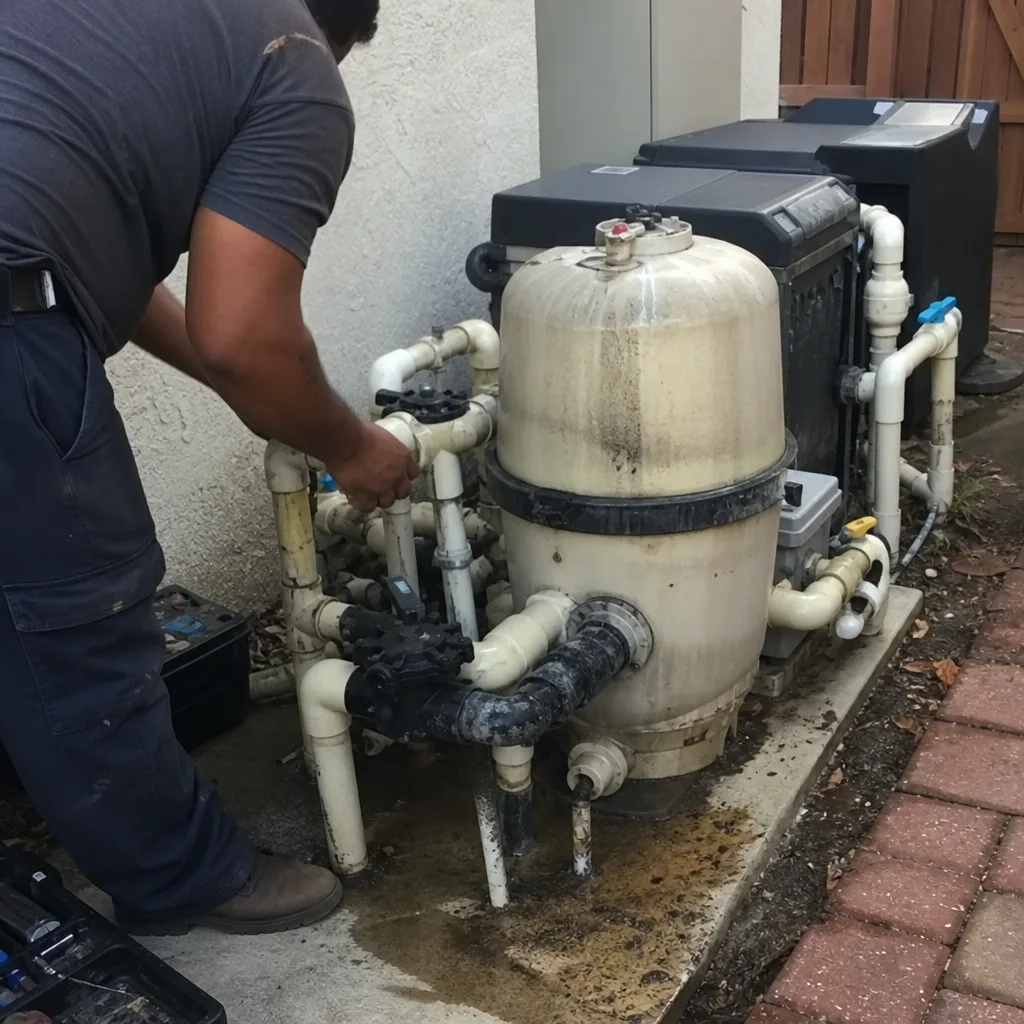 Before
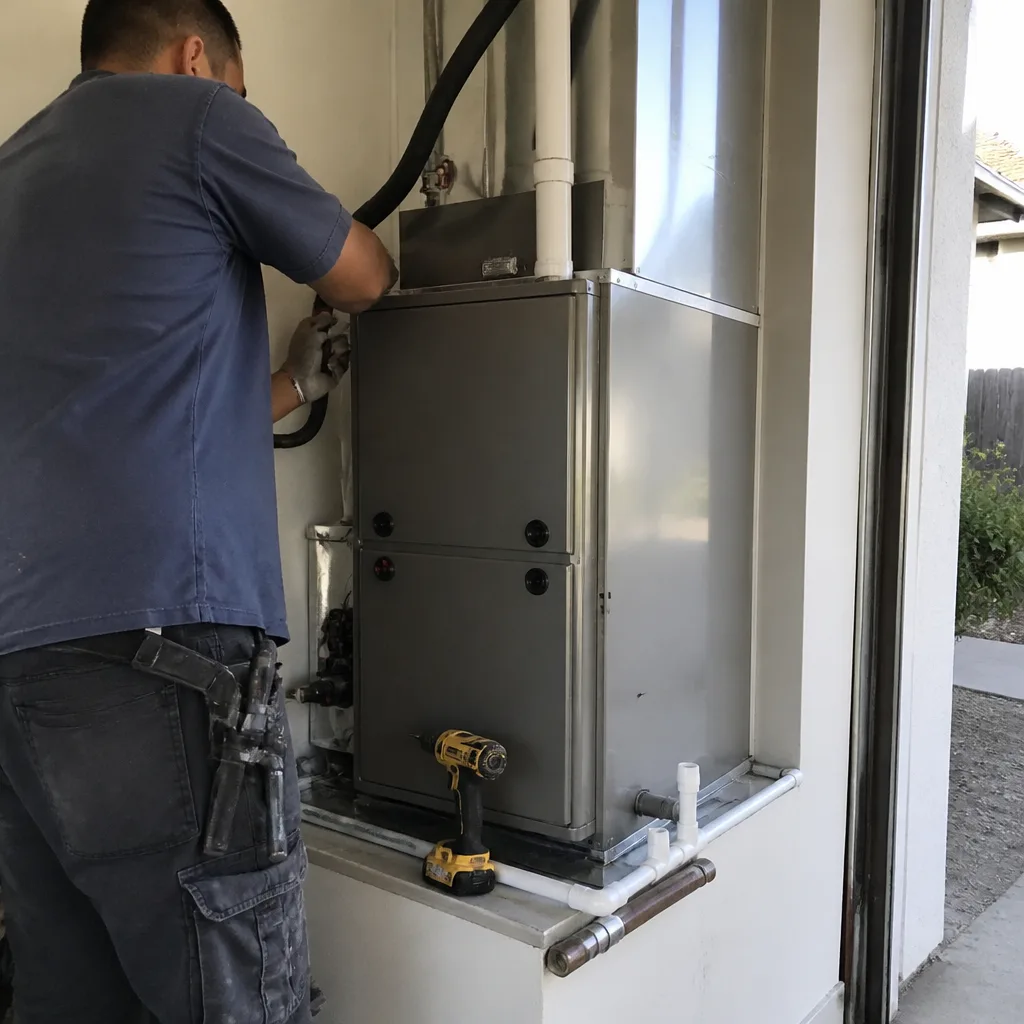 After
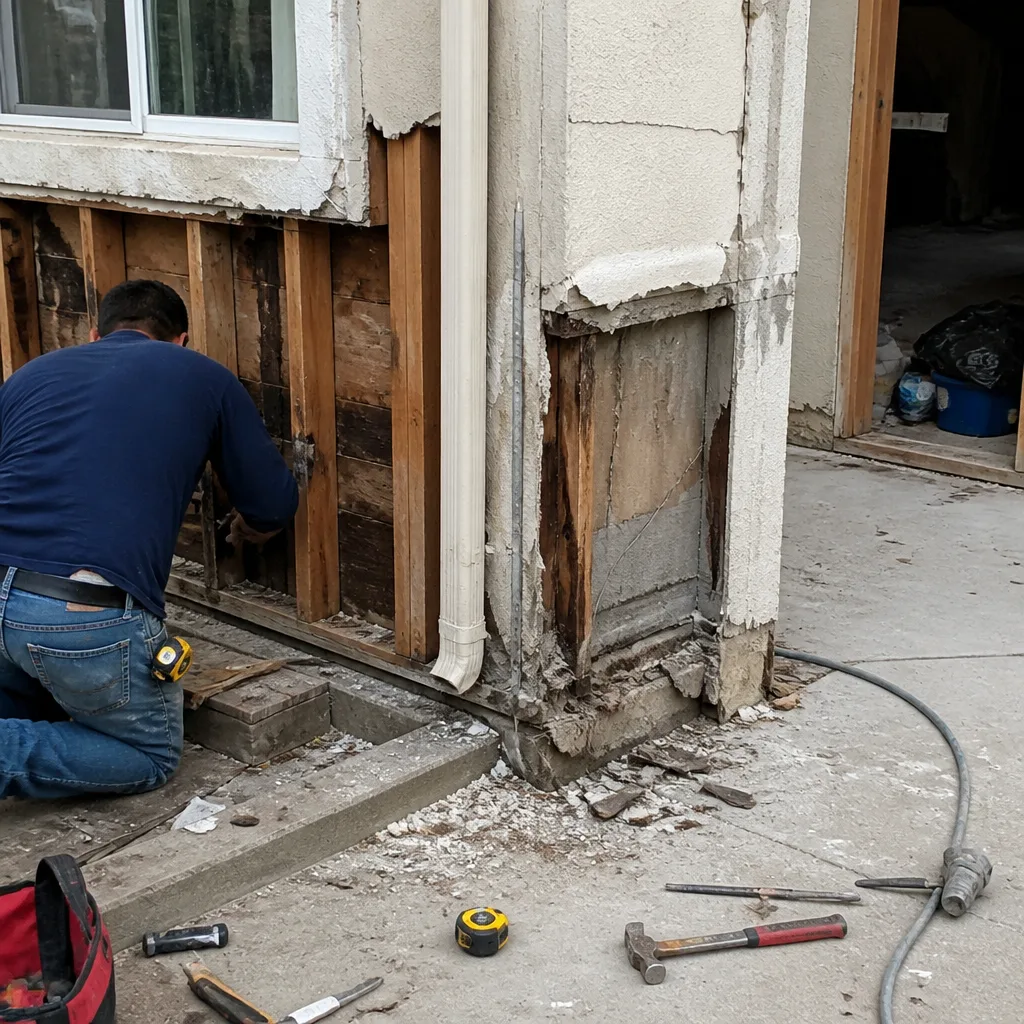 Before
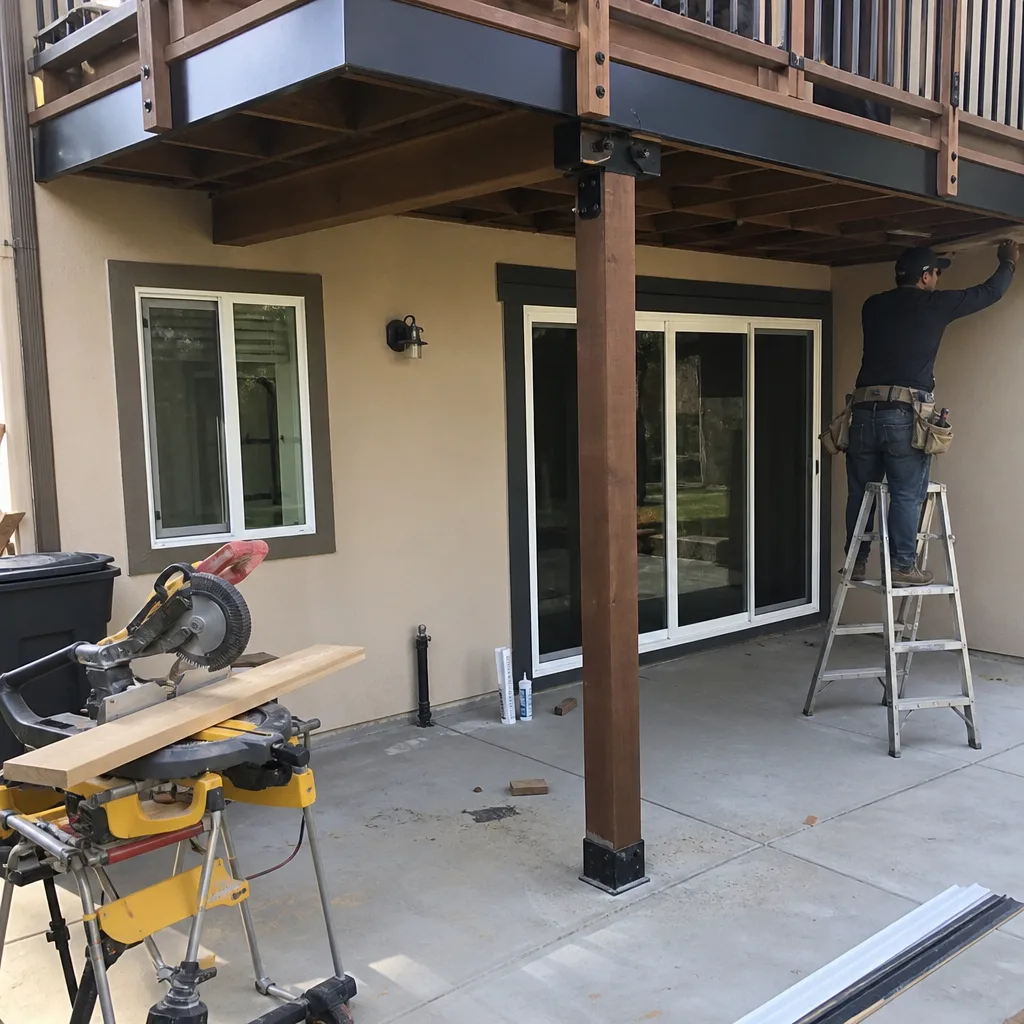 After
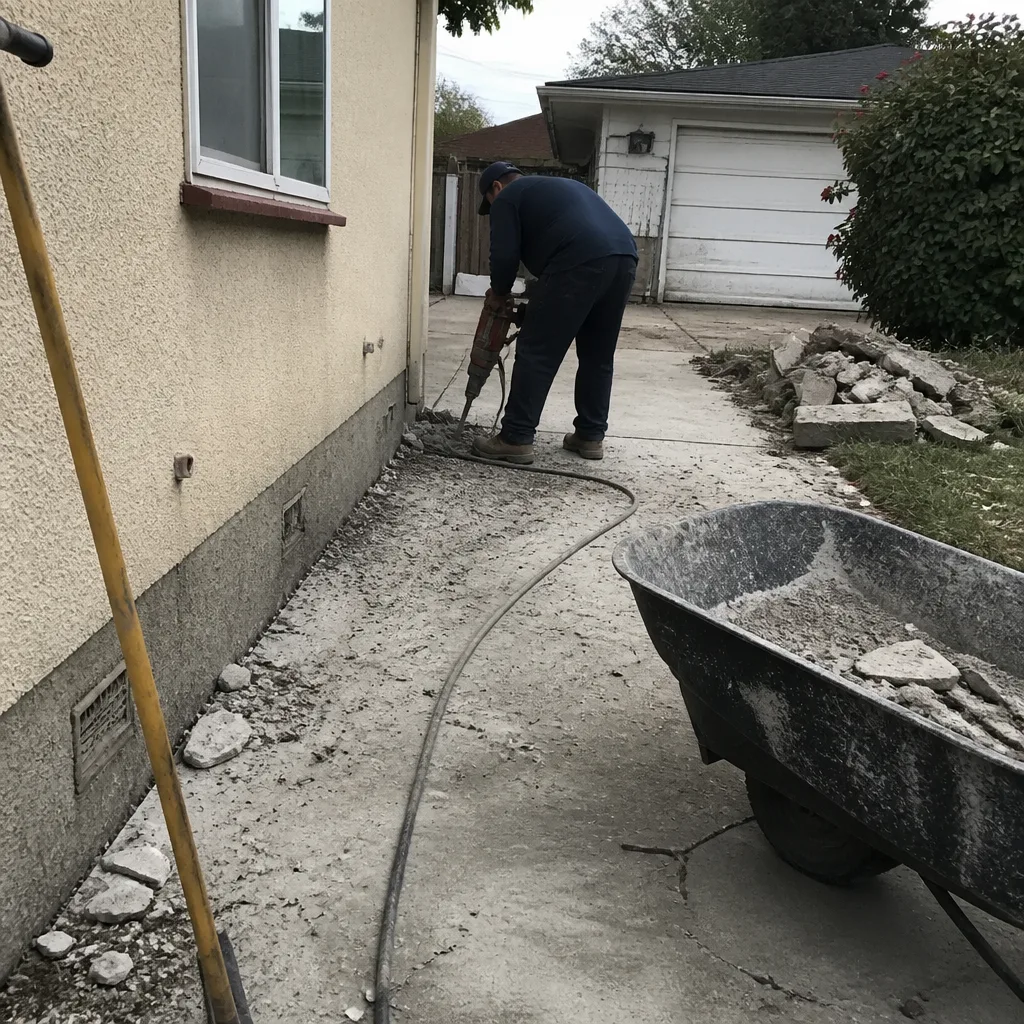 Before
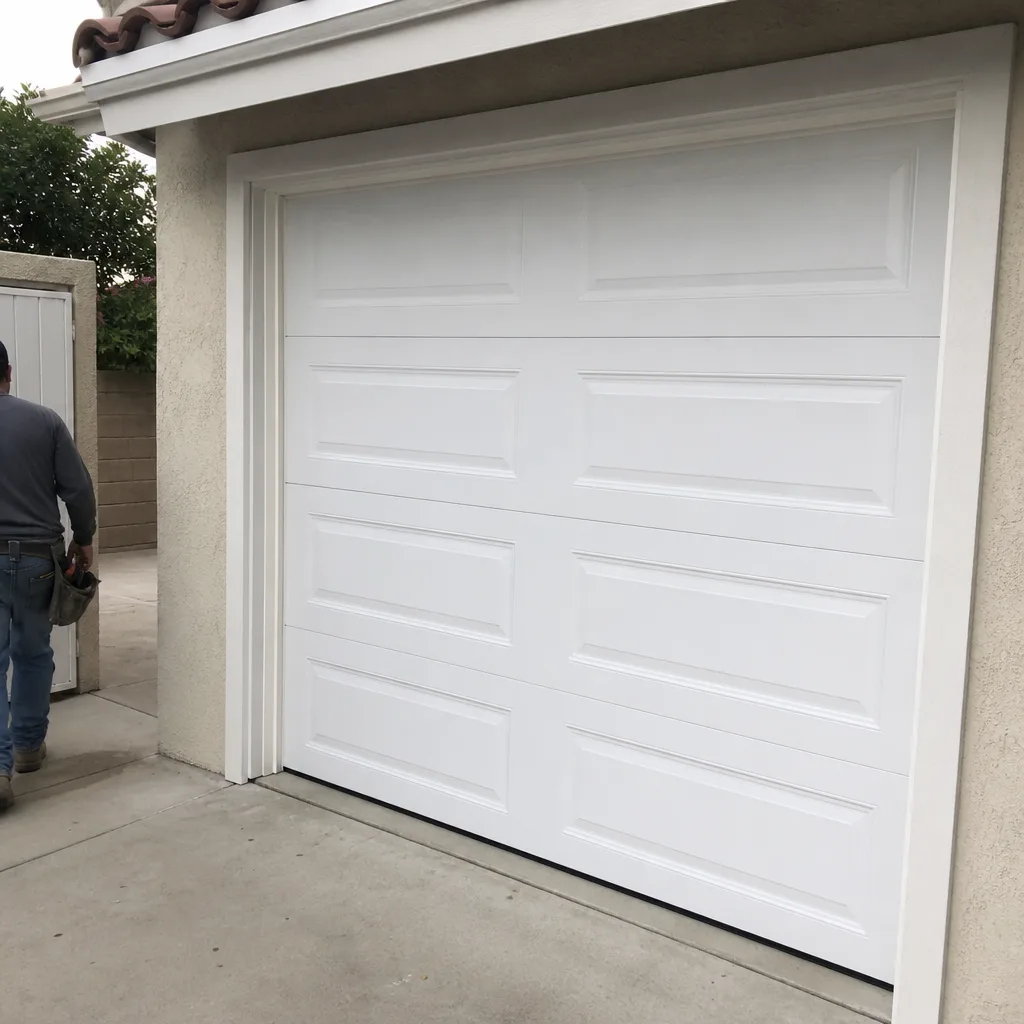 After
Silestone Service Pricing in Mission District
Silestone work in the Mission District carries the same base material and labor costs as the rest of San Francisco, but the old-building factor changes some line items. Here’s what we quote most often:
| Service | Typical Price Range |
|---|---|
| Countertop Installation | $2,000 – $6,500 |
| Kitchen Island Installation | $3,000 – $10,000 |
| Backsplash Installation | $800 – $2,500 |
| Cabinet Installation | $4,000 – $13,000 |
What drives the cost in 94110 specifically is base cabinet leveling work and whether the job needs preservation review. A straight slab replacement on solid cabinets runs toward the lower end. A kitchen island that requires re-framing a settled floor runs higher. Our free estimate includes the cabinet inspection and a written line-item quote, so you know which line items are Silestone and which are building. Call (844) 384-3361 for exact numbers on your space.
Serving Mission District, CA — Our Local Coverage Area
We’re based in the Mission District area and know this community well, and we also provide Chinatown Silestone service. Use the map below to see our service coverage — if you’re nearby, we can almost certainly help.
FAQs – Silestone Construction in Mission District
Yes, often. If the building is pre-1945 and inside the Historic Resource survey area, any change that modifies an exterior wall opening, a window, or a vent can trigger preservation review. A pure countertop swap with no layout change usually clears without review, but the moment you move a sink or change a window stool, expect DBI to flag it. Call (844) 384-3361 before you start, and we’ll tell you which category your job falls into.
Because the cabinet run underneath has settled. The Mission’s pre-1906 wood floors deflect with moisture and time, and the narrow material between the faucet holes and the sink rim is the first place that movement shows up. The fix is leveling and re-anchoring the base cabinets, then addressing the slab. If you just patch the crack without fixing the cabinet movement, it returns.
Usually, yes. We use original Silestone color-matched seam adhesive and work from the actual slab sample, not a catalog photo. But color batches vary across production years, so for a large seam we may recommend replacing the run rather than trying to blend two different dye lots. For small chips and corner repairs, the color match is straightforward.
Depends on the layout. Many Mission flats have galley kitchens with 36 to 42 inches of walking clearance. A full island needs at least 36 inches on all sides to be workable. If you’ve got less, we typically recommend a peninsula run or a narrow prep station instead. We template on-site and confirm clearances before any slab gets cut.
Hard water etching and stains on Silestone can usually be re-polished and resealed, especially on honed and matte finishes where the surface is more porous. We assess whether the stain has penetrated the resin or is sitting on top, then apply the right restoration process. For ongoing prevention, we’ll recommend a cleaner that doesn’t strip the resin and a regular sealing schedule. Call (844) 384-3361 and we’ll take a look.
Service Areas Near Mission District
We run Silestone jobs throughout the central and southern parts of San Francisco and down the Peninsula. If you’re outside 94110, check our Mission District service area page for coverage details. We also handle Silestone service in Noe Valley, over the hill, and across San Francisco more broadly, including Potrero Hill, Bernal Heights, and the Castro.
Book Your Silestone Service in Mission District Today
We’ve templated and set Silestone in more Mission District flats than we can count, and we know which questions to ask before the slab gets cut. The estimate is free, and the quote is line-item, so you’ll see exactly where the money goes. Call (844) 384-3361 to schedule yours. Build it right the first time. The second time costs twice as much and nobody’s happy about it.
Written by Noel Figueroa, Owner at Workshop Contractors, serving Mission District since he learned to frame square and set a seam that holds.