
 Kitchen remodeling
 Bathroom remodeling
 Home additions & ADU
 Roofing
 Windows & doors
 Driveway & pavers
 Fence
Free written scope consultation - allowances, timeline, and change-order rules on paper before a single trade is scheduled
Therma-Tru Construction in Mission District, CA | Workshop Contractors
We provide independent Therma-Tru door installation, repair, and replacement across Mission District as your our Home Remodeling in Mission District team. We are not authorized, sponsored, or endorsed by Therma-Tru. What sets our work apart here is simple: we have hung and re-hung Therma-Tru doors in this neighborhood long enough to know that most entry openings in Mission District flats moved decades ago, so we diagnose the frame and the wall before we ever spec a slab. Call (844) 384-3361 for a free estimate.
Why Mission District Residents Choose Us for Therma-Tru Service
Most Therma-Tru failures we see in Mission District are not the door’s fault. They are opening failures. A Smooth-Star or Fiber-Classic slab is only as good as the rough opening around it, and a large share of Mission District housing stock is wood-frame Victorian and Edwardian flats built between 1880 and 1906. Those buildings have settled, been retrofitted, and then settled differently.
Noel Figueroa, our owner and Mission District General Contractor, grew up around tradesmen who passed down the habit of checking the framing before blaming the finish. That instinct matters here. We pull the casing, inspect the jamb legs and sill pan, and figure out whether the door failed or the wall did. Then we tell you the truth about which one to fix. We match OEM Therma-Tru slabs, sills, sweeps, and hinges where the frame is sound, and we move to quality aftermarket weatherseal and glass inserts where OEM parts no longer make sense. Build it right the first time. The second time costs twice as much and nobody’s happy about it.
Styles & brands we work with
Common Therma-Tru Construction Problems We Solve in Mission District
- Rot and delamination at the bottom rail and jamb legs. Much of Mission District sits over ancient Mission Creek and filled bayland. Soils hold moisture through the winter, and original wood doors or early fiberglass units sitting against damp sills start to soak and separate at the bottom rail. We see this on rear entries of older flats more than anywhere else.
- Racked, out-of-square frames after soft-story retrofits. Ground-floor units in many Mission District Victorians have been retrofitted for seismic safety. When the building gets stiffer, the openings shift. Doors that hung true before the retrofit suddenly drag at the header or whistle at the sweep. The fix is re-squaring the rough opening, not planing the slab.
- Failed perimeter flashing and stucco-return sealing. Dense 2-to-4-unit Mission District buildings often share downspouts and drains that dump storm water close to rear and side entries. When that flashing fails, water gets behind the stucco return and works its way into the jamb. The door looks fine until the frame starts to swell.
- Sweep and weatherstrip wear on sheltered north-facing entries. The Mission gets damp, foggy air without much direct sun on north-facing doorways. Slabs stay cool, moisture lingers, and weatherstrip degrades faster than on the sunny side. We replace sweeps and realign slabs before the moisture migrates into the jamb and rots it.
- Warped slabs from chronic damp at the threshold. When an entry sits against a stoop that drains back toward the sill, the bottom of the door never dries. Fiberglass resists rot, but a constant moisture load still causes warping over years. We fix the drainage first, then address the slab.
Therma-Tru Service in Mission District: What Local Conditions Mean for Your Equipment
A large share of Mission District addresses sit in the city’s Historic Resource survey. That means an exterior door change on a pre-1945 flat can pull in preservation review. We know which Mission District blocks trigger that review and which do not, because we have filed enough jobs here to check the address against the survey before we order the slab. Add to that the buried Mission Creek culvert running under part of the neighborhood. Drainage and foundation surprises at the threshold are a Mission-specific condition, not a citywide one. A door that looks like a straightforward swap on an Edwardian flat off 24th Street can turn into a sill-pan rebuild once we see what the original stoop has been doing to the rough opening for a century. We plan for that. Other neighborhoods have their own issues; for example, we also handle Therma-Tru in Visitacion Valley, but the Mission’s are older, wetter, and more regulated.
On a four-unit Edwardian flat off Valencia Street, our tech pulled a Therma-Tru Fiber-Classic entry whose bottom rail had soaked through because the original stoop drained back toward the sill. We found the ground-floor soft-story retrofit had shifted the header, so we re-squared the rough opening, rebuilt the sill pan with a positive slope, and hung a new Smooth-Star slab with upgraded sweep and OEM hinges. Then we checked the same rear entry on all four units, since they share a common downspout. Three of the four had early water staining. One phone call caught all of it.
Therma-Tru Models & Products We Service in Mission District
We service the full Therma-Tru fiberglass lineup including Smooth-Star entry doors, Fiber-Classic entry doors, Classic-Craft collection doors, and Fiber-Classic patio and sliding doors. For Mission District turnaround, we keep common OEM hinges, sweeps, and adjustable sills in stock, and we order slabs direct when the frame is confirmed sound. On pre-1945 Mission entries, a new slab inside a rotted jamb is a wasted door. We tell owners to fix the opening first and replace the unit whole when the frame will not hold.
See the difference
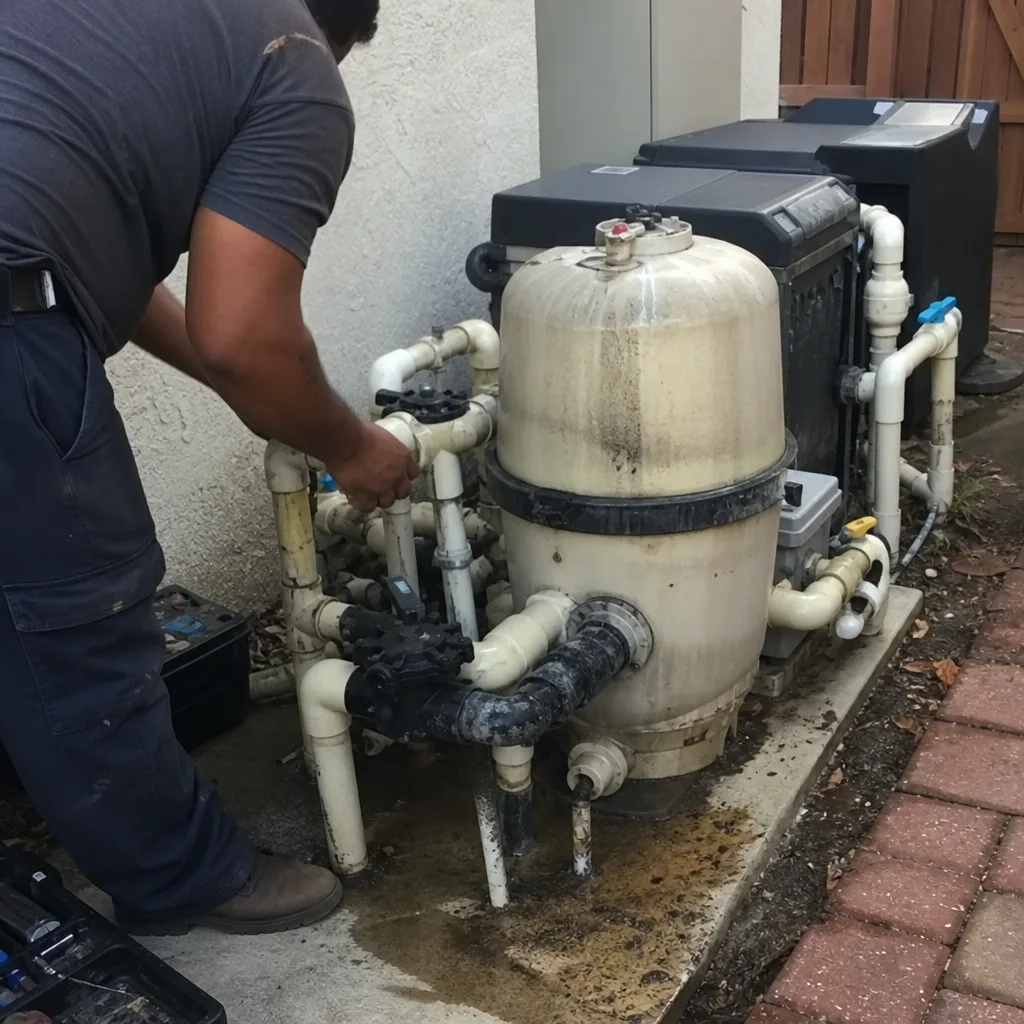 Before
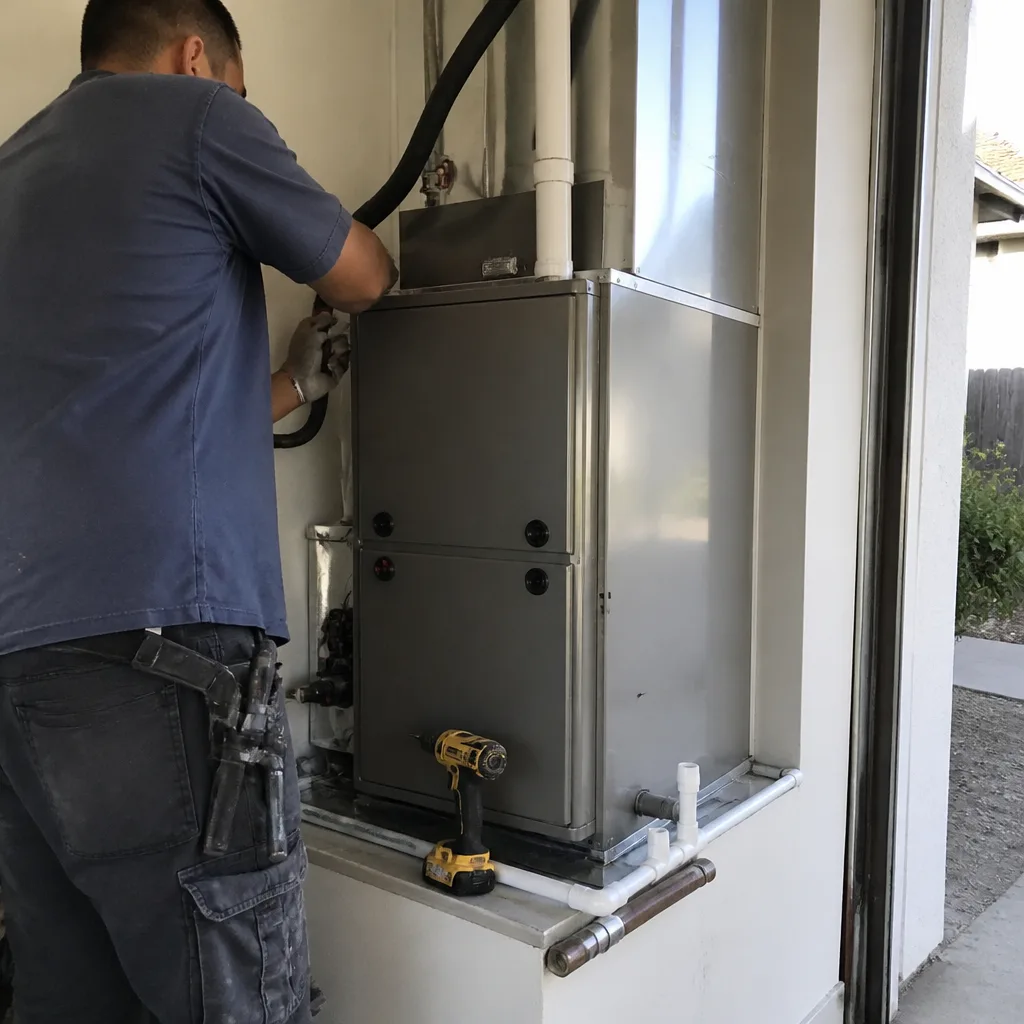 After
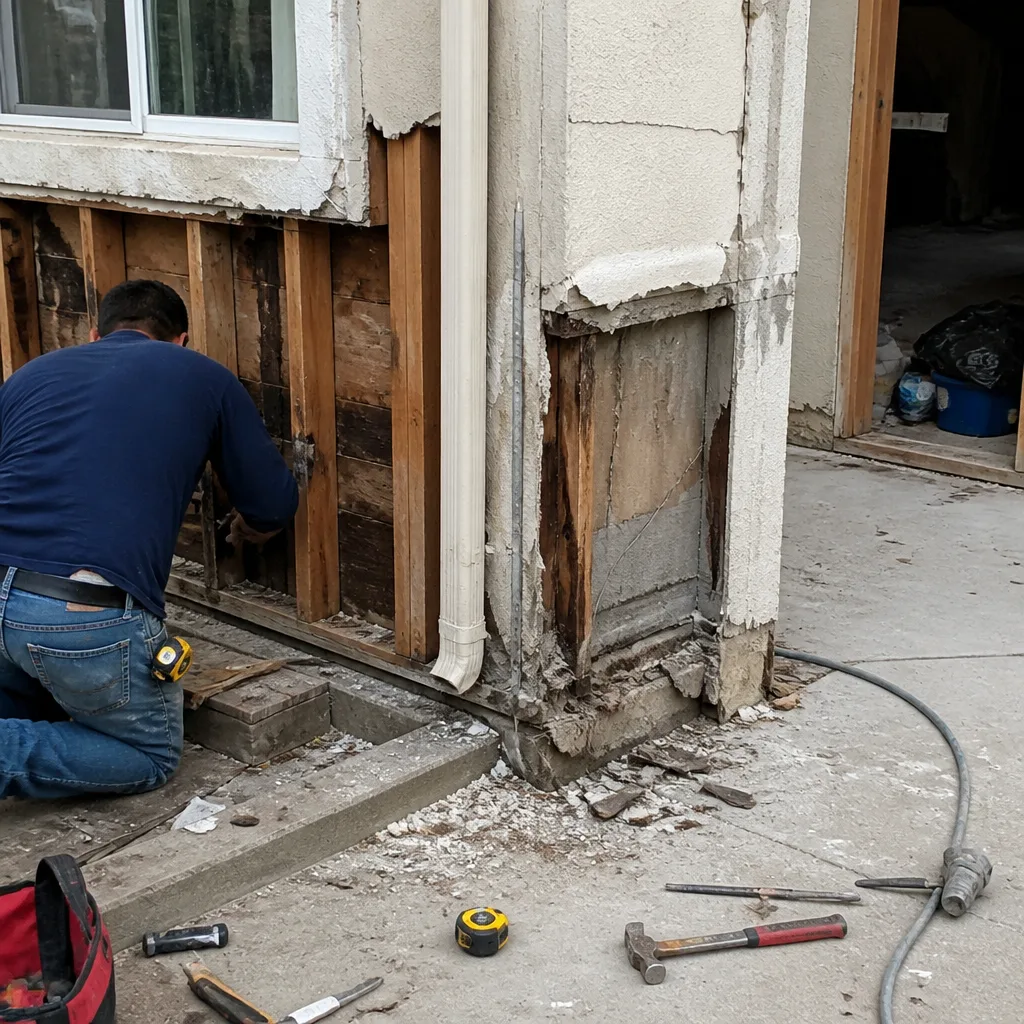 Before
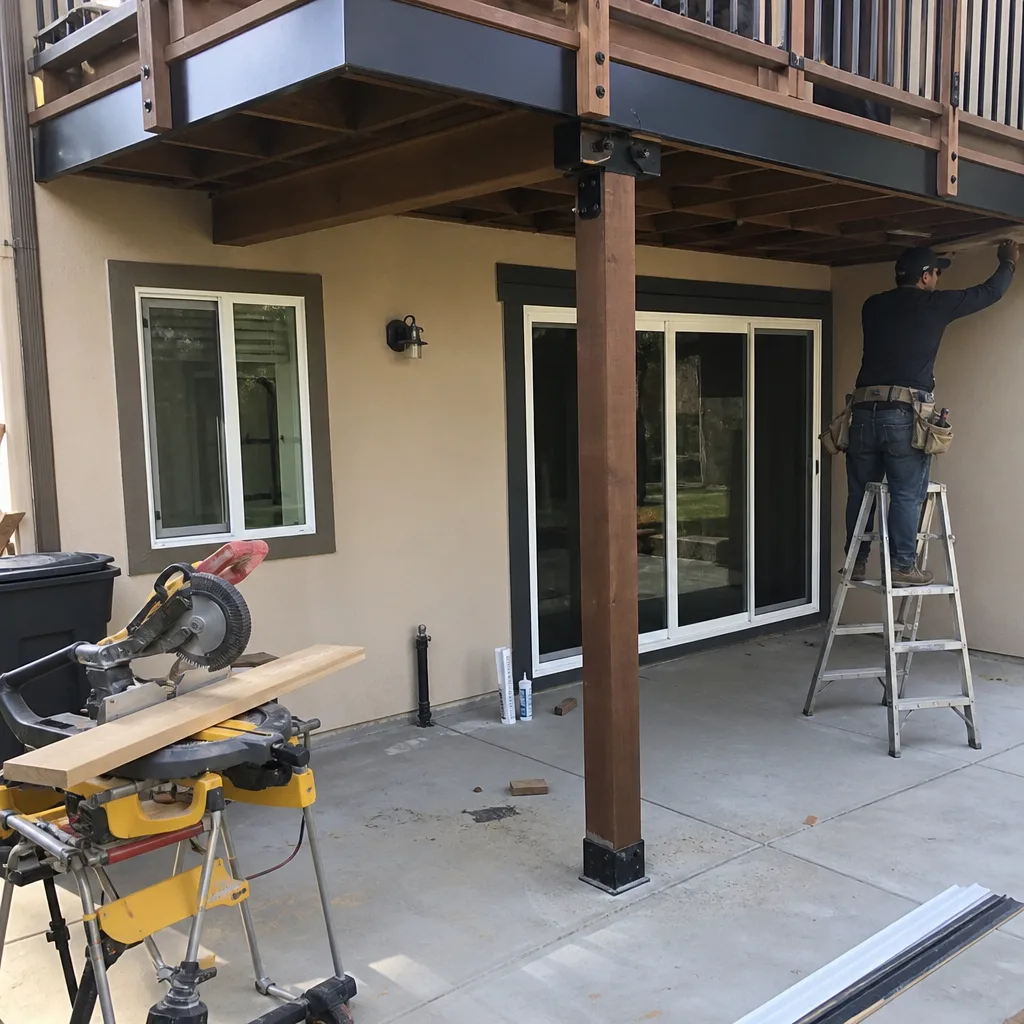 After
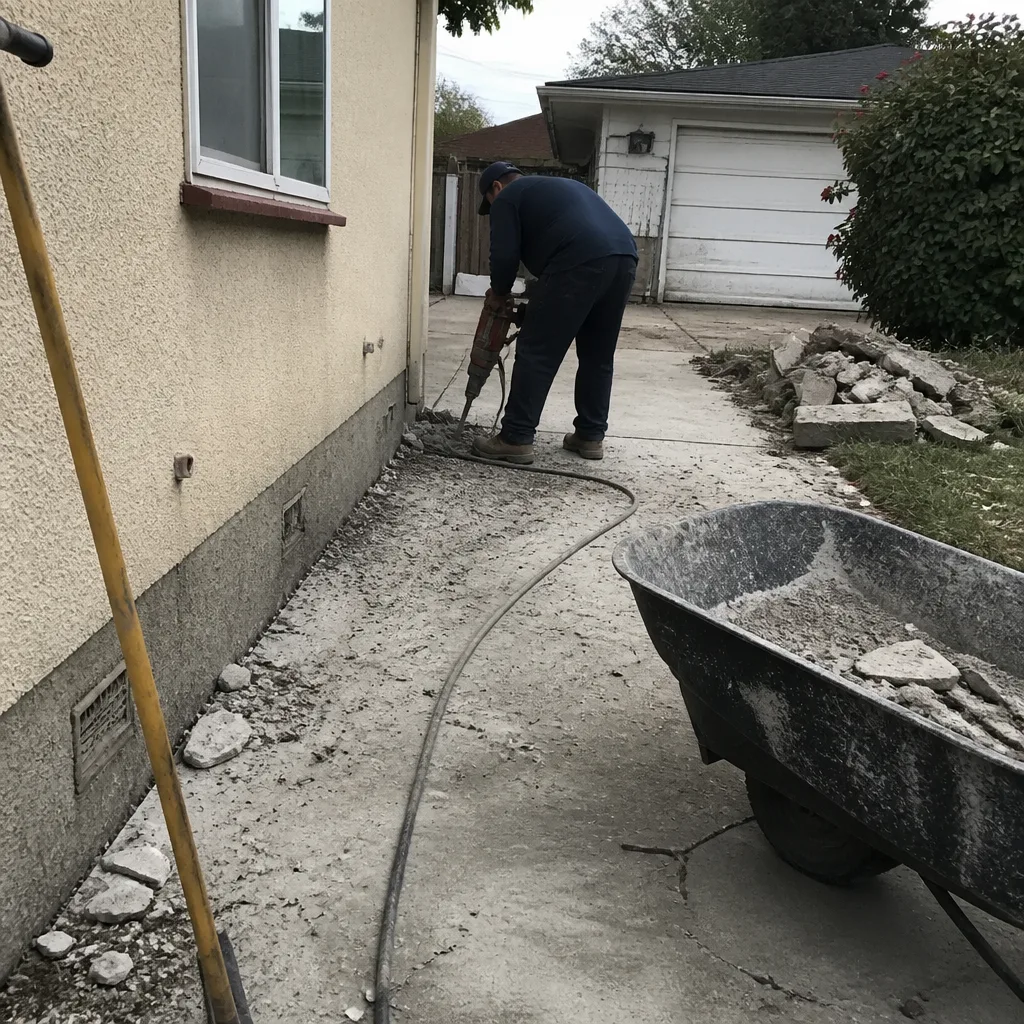 Before
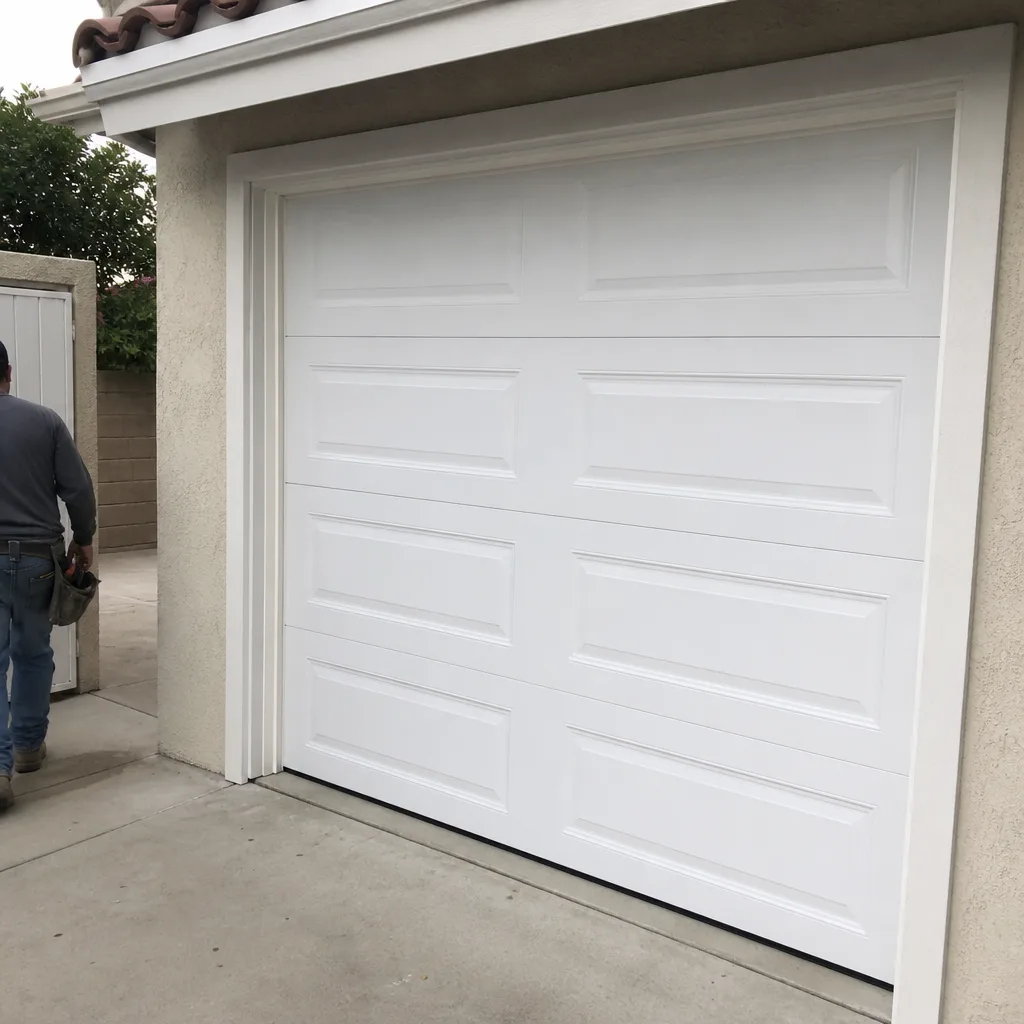 After
Therma-Tru Service Pricing in Mission District
The table below reflects what Mission District homeowners typically see for the remodel work we handle alongside Therma-Tru door service. Door-specific pricing depends on slab model, frame condition, and whether preservation review applies to the address.
| Project | Typical Range |
|---|---|
| Kitchen Remodel | $14000 – $45000 |
| Bathroom Remodel | $9000 – $28000 |
| Walk-In Shower Installation | $4500 – $12000 |
| Window Replacement | $4500 – $15000 |
| Roof Repair | $400 – $1800 |
What drives the cost here is the opening, not the door. If the jamb and sill are sound, a slab swap is straightforward. If preservation review, soft-story movement, or Mission Creek moisture are involved, the scope expands and so does the honest estimate. That estimate is free and itemized. Call (844) 384-3361 and we will walk the opening with you.
Serving Mission District, CA — Our Local Coverage Area
We’re based in the Mission District area and know this community well. Use the map below to see our service coverage — if you’re nearby, we can almost certainly help.
FAQs – Therma-Tru Construction in Mission District
Yes, in many cases. A large portion of Mission District sits within the city’s Historic Resource survey, and exterior changes to pre-1945 buildings can trigger preservation review through SF DBI. We check the address against the survey before recommending any Therma-Tru replacement, and we handle the coordination so you do not get surprised mid-project.
The building shifted. Soft-story retrofits stiffen the ground floor, and that changes how the whole structure settles around existing openings. A door that hung true before the retrofit can drag or bind after because the rough opening is no longer square. The fix is re-squaring and re-shimming the opening, then re-hanging the slab. We do this regularly in Mission District flat buildings. Call (844) 384-3361 and we will check your opening.
It does. Soils over the buried Mission Creek culvert and filled bayland hold more moisture than the rest of the Mission District, and that moisture works on sills, jamb legs, and rough openings from below. We inspect drainage and sill-pan condition before installing any Therma-Tru product near those blocks, and we rebuild the threshold detail so the new door is not sitting in the same damp that killed the old one.
Yes. We work in occupied Mission District flats regularly. The work is contained, we coordinate entry access with the owner or property manager, and we schedule around the building’s routines. Tenant relocation is not needed for door work, and we keep the job site clean and secured while the opening is temporarily exposed.
Usually, yes. Fiberglass does not rot the way wood does, and that matters in the Mission District where chronic damp from fog and old drainage is a fact of life. The catch is that the opening still needs to be right. A fiberglass slab in a rotted or out-of-square frame will still fail. We spec Therma-Tru fiberglass for most Mission District entries, then put the real work into the sill, flashing, and frame so the door has a chance to last. Call (844) 384-3361 for an exact quote – estimates are free.
Service Areas Near Mission District
We serve Mission District and surrounding neighborhoods across the city. If you are in Noe Valley, we handle Therma-Tru service there as well, with similar attention to pre-1906 housing. Our broader San Francisco Therma-Tru work covers the full Therma-Tru service in San Francisco range. For a closer look at our core coverage, see our Mission District service area page. We also provide Therma-Tru service in Noe Valley for neighbors just over the hill. You can read more about our approach on the Therma-Tru sales & service page.
Book Your Therma-Tru Service in Mission District Today
If your Therma-Tru door is sticking, dragging, or showing rot at the bottom rail, call us. We serve Mission District owners and property managers, plus nearby areas like Chinatown Therma-Tru service, who want an honest read on whether the door, the frame, or the drainage is the problem. One contractor, every trade. Call (844) 384-3361 for your free estimate.
Written by Noel Figueroa, Owner at Workshop Contractors, serving Mission District and the Greater San Francisco area. Noel grew up around tradesmen who framed half the houses on his street, studied construction technology at Chaffey College, and has spent decades working on everything from ground-up builds to full tenant improvements. He believes a well-built structure is the most honest thing a person can leave behind.