

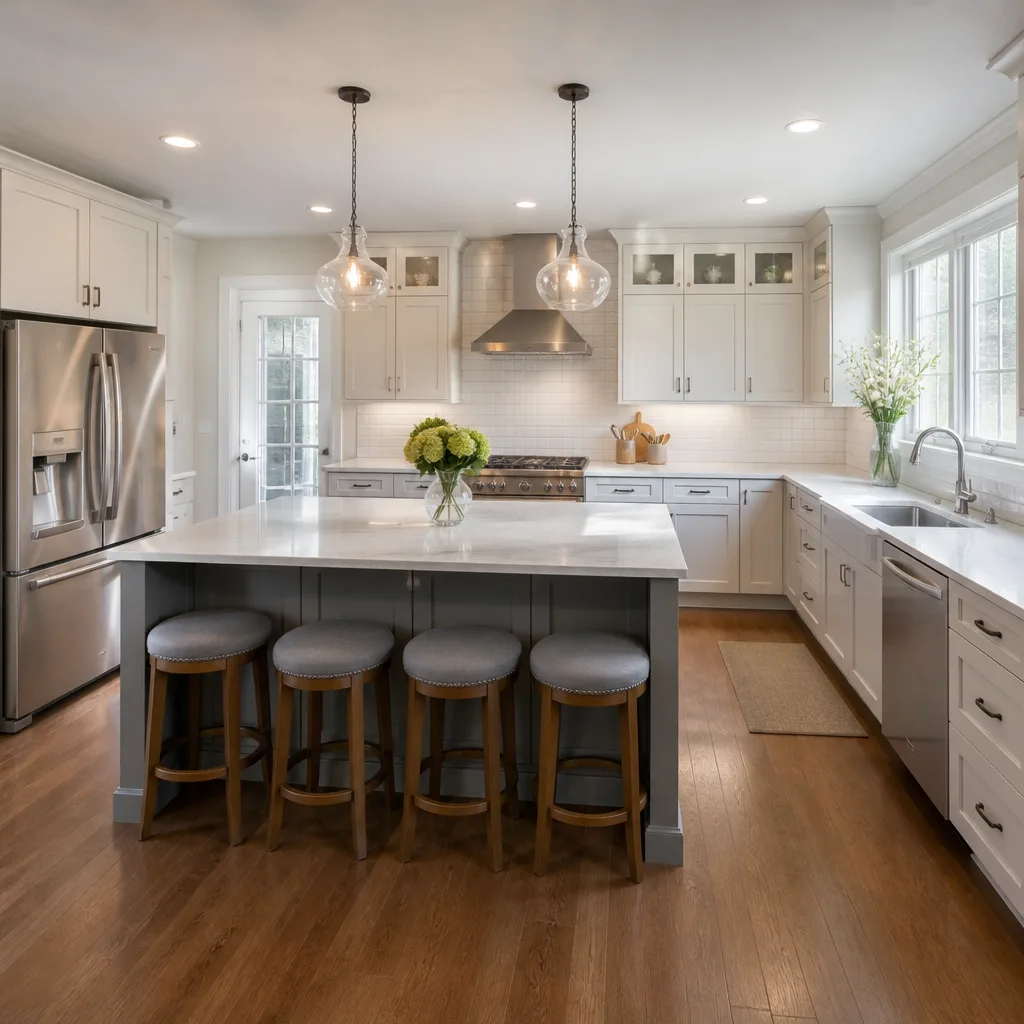
 Kitchen remodeling
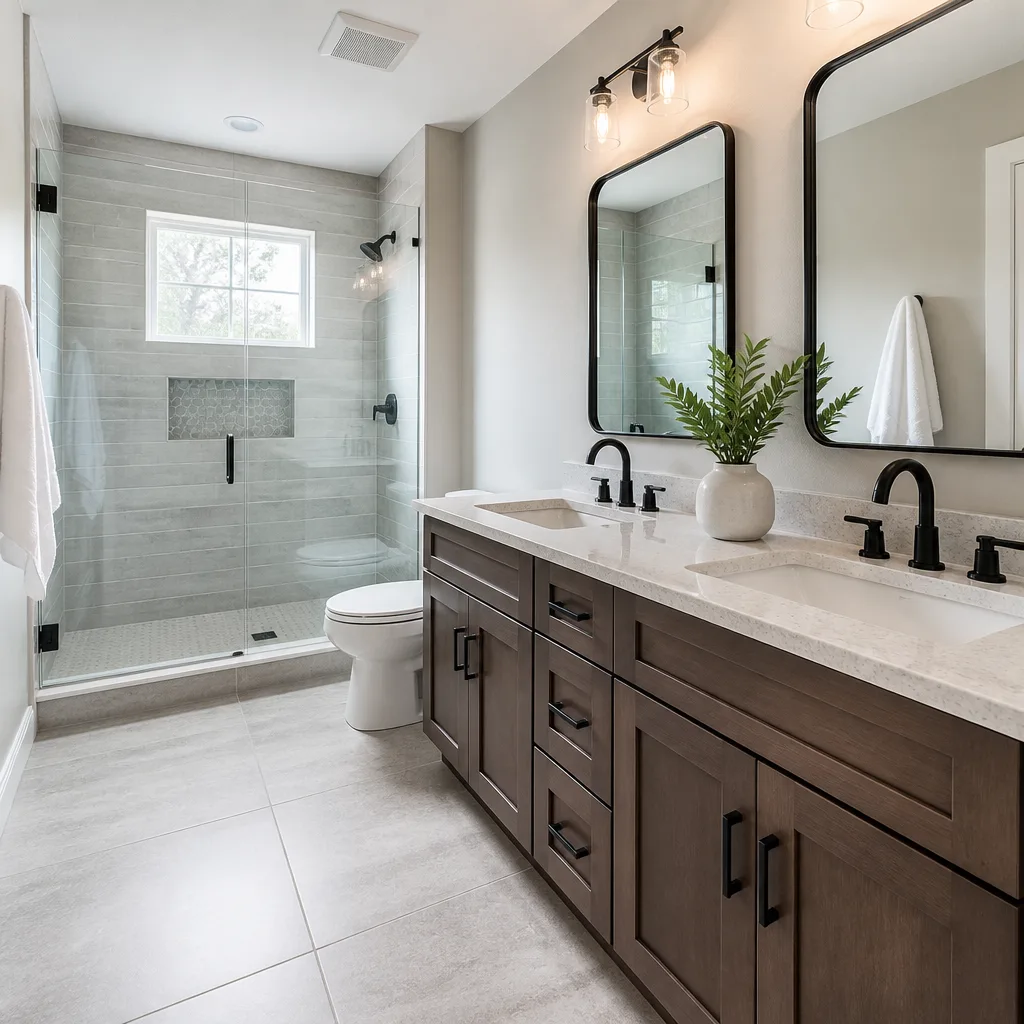 Bathroom remodeling
 Home additions & ADU
 Roofing
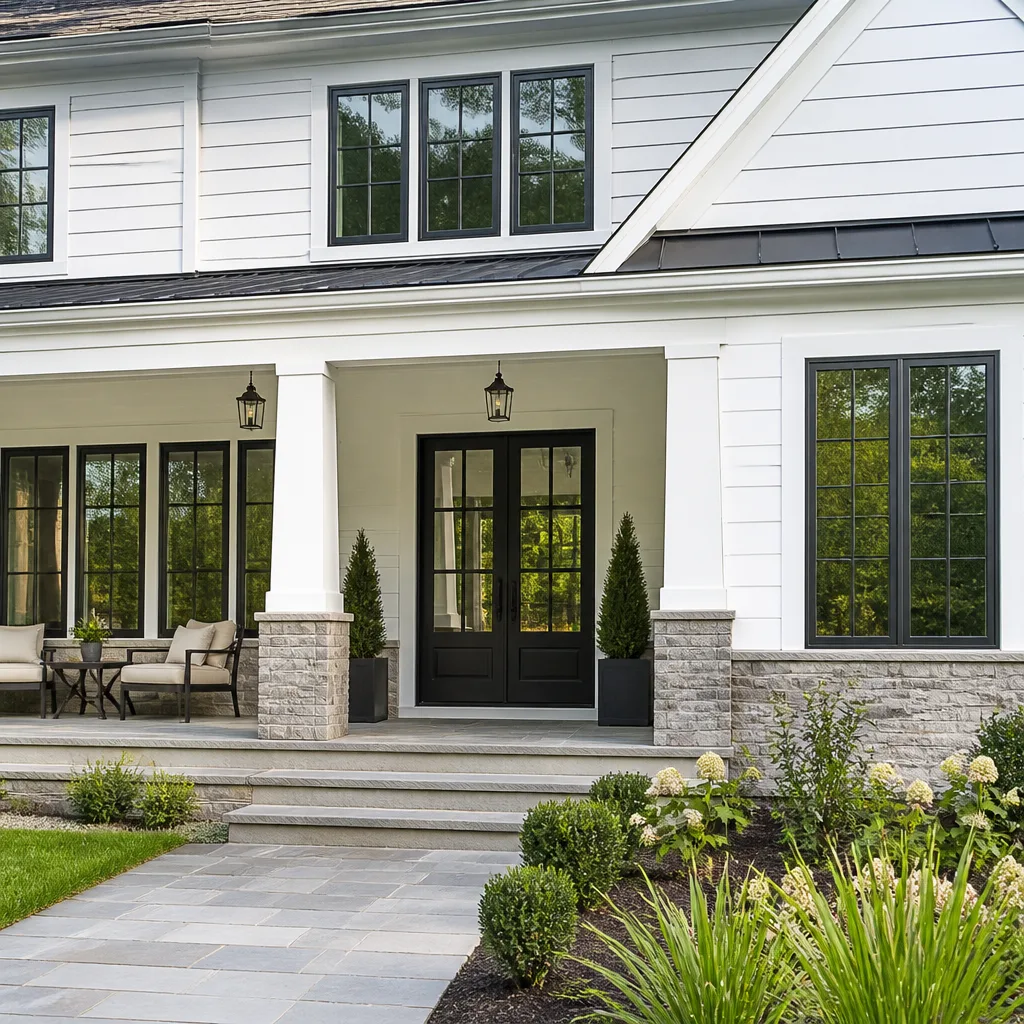 Windows & doors
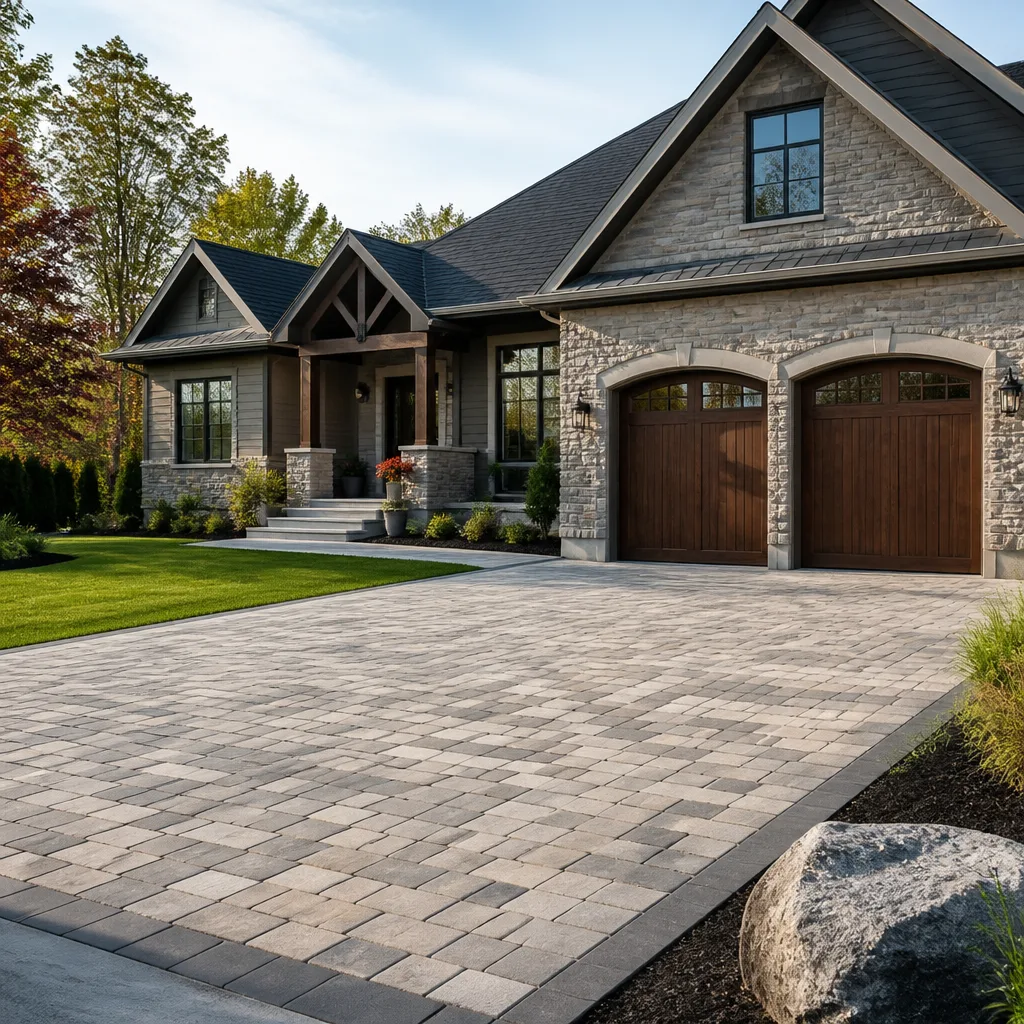 Driveway & pavers
 Fence
Free written scope consultation - allowances, timeline, and change-order rules on paper before a single trade is scheduled
Cambria Construction in Chinatown, CA | Workshop Contractors
We install and service Cambria quartz countertops across Chinatown, from ground-floor storefront units to upper-floor walk-ups on streets where a slab truck simply cannot park. We’re an independent contractor, not a Cambria-authorized shop, which means we answer to you, not a factory program. The big difference here is logistics: most Chinatown installs require hand-carry delivery, crane permits, or sidewalk-protection scaffolds just to get material into the room. Call (844) 384-3361 and we’ll walk your building before we quote it.
Why Chinatown Residents Choose Us for Cambria Service
Noel Figueroa runs our jobs the way his grandfather built the family house in Pomona: square, level, and honest. He grew up watching tradesmen frame houses on his street in Ontario and learned the fundamentals at Chaffey College, on real sites, before he was old enough to rent a truck. That background matters in Chinatown, where a century-old brick building does not care about your schedule. We’ve templated and installed Cambria slabs in kitchens where the floor drops an inch and a half across eight feet and the back wall bows out half an inch because it’s original 1908 masonry. You shim the cabinets, template generously at the sink cutout, and cut the seam so it reads clean against the wall. That’s the work. We do it as Cambria sales & service specialists, not as a shop that touches quartz once a year.
Styles & brands we work with
Common Cambria Construction Problems We Solve in Chinatown
- Seam and edge chipping at sink cutouts and cooktop openings. Chinatown kitchens are tight, often galley-style, with barely enough room to turn a slab. When a slab is hand-carried and dry-fit in a room where the cabinets were shimmed to compensate for an out-of-square brick wall, the cutout becomes the point of failure. We open the template’s inside radius and support the slab through the manhandling so the edge doesn’t blow out.
- Shadow lines at seams on dark-veined slabs like Brittanicca. Cambria’s darker veined designs show every seam if the two pieces aren’t cut and polished to sit dead flush. Add a wall that’s out of square by a quarter inch and the seam reads as a visible dark line. We dry-fit against the actual wall, not the drawing, and adjust the seam location before the adhesive sets.
- Dull, etched spots around sinks from years of hard water and acidic cleaners. Older Chinatown units often have decades of mineral buildup in the plumbing, and the water chemistry here is not gentle on quartz. Cambria’s surface is non-porous, but years of hard-water scale and the wrong cleaner will compromise the factory finish. We can usually repair and reseal these spots rather than replace the slab.
- Lippage and stress cracking at overhangs on narrow peninsula counters. Compact Chinatown apartments frequently have peninsula counters that were never properly supported. A 12-inch overhang with no corbels or steel underneath will flex, and Cambria, for all its strength, will crack under repeated point load. We add hidden steel or corbels during the install so the overhang does not turn into a failure point.
- Square-edge chipping on busy stairway carries. A Cambria slab going to a second-floor unit off Waverly Place or Ross Alley has to be hand-carried up a narrow stair, pivot around a landing, and get set without banging a corner on the handrail. We wrap the edges, carry with suction cups, and stage the slab before templating so it’s only moved once.
Cambria Service in Chinatown: What Local Conditions Mean for Your Equipment
Chinatown’s alleys are too narrow for standard slab trucks and staging. This is not a small scheduling detail; it changes how every Mission District Cambria service and Chinatown installation is planned and priced. A full Cambria slab runs 55 to 65 inches wide and weighs over 600 pounds. On a street like Waverly Place, where the alley is nine feet wide and lined with century-old brick buildings, there is no way to crane a slab up from the street without a city permit, a sidewalk-protection scaffold, and a crew that knows how to hand-carry through a stairwell that was built before standard stair codes existed. We’ve done installs where the slab went up a fire escape, through a back window, and across a roof because that was the only route. That’s why we walk every Chinatown building before quoting: the material cost is the easy part, the access is what drives the calendar and the labor. Cambria itself is a dense, non-porous quartz that holds up to the damp bay air far better than marble or limestone, which actively spall in this fog-and-salt environment. But the slab’s durability only matters if it arrives intact and gets set level on cabinets that were themselves shimmed to compensate for a floor that has settled for 100 years.
Cambria Models & Products We Service in Chinatown
We work with the full Cambria design palette, but in Chinatown kitchens we see a lot of Brittanicca, Brittanicca Gold, Ella, Torquay, and Whitehall. Brittanicca’s bold gray veining hides the wear of a busy family kitchen, but it also shows every seam and shadow line if the install is rushed. Torquay and Whitehall are lighter, calmer, and more forgiving in small, dark Chinatown rooms where natural light comes from one window facing an air shaft. Ella is a mid-tone option that splits the difference. We use Cambria-matched fabrication standards and quality sink and faucet hardware, not import knockoffs, and we stock common edge profiles and seam materials locally so we’re not waiting on a supplier in Stockton. When a slab is chipped or etched we’ll tell you straight whether it can be repaired and resealed or whether replacement is the honest call. Cambria’s surface is genuinely repairable in many cases, so we don’t push replacement when a repair will hold.
See the difference
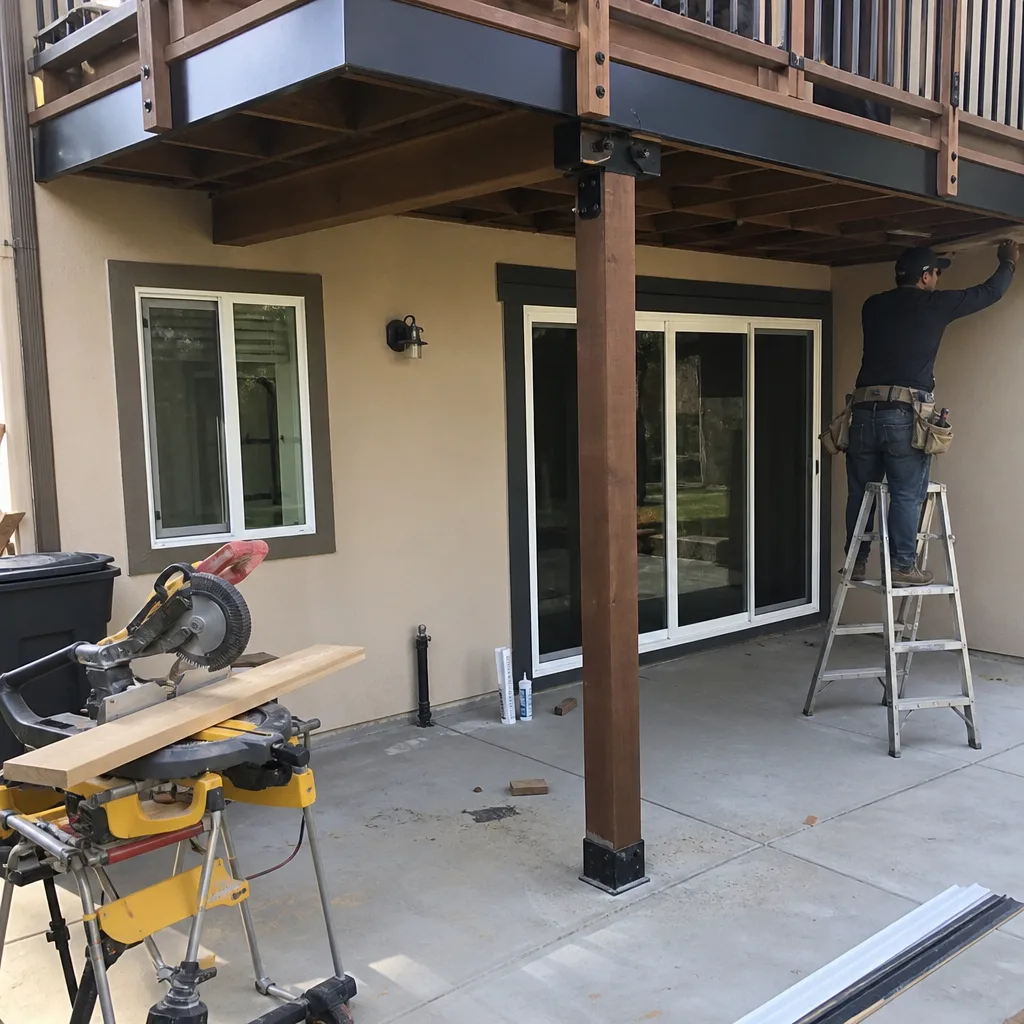
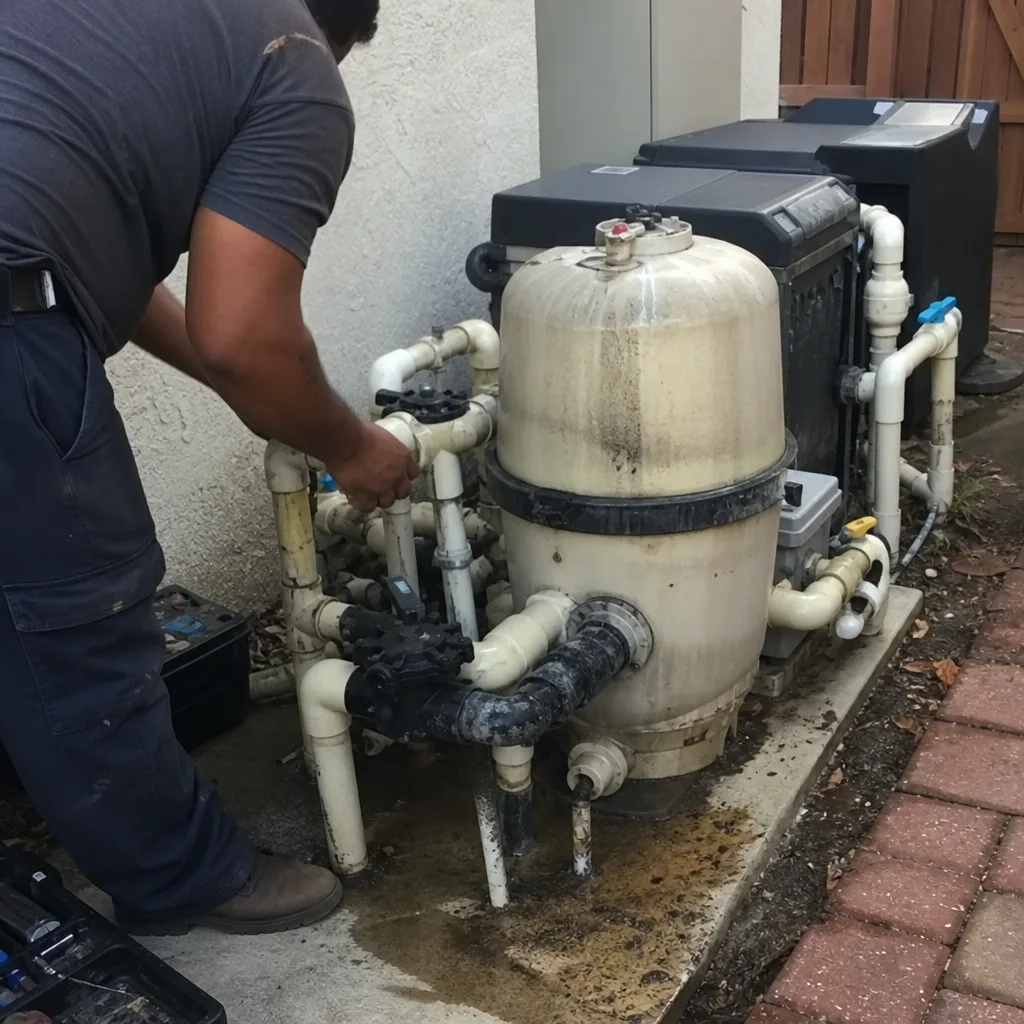 Before
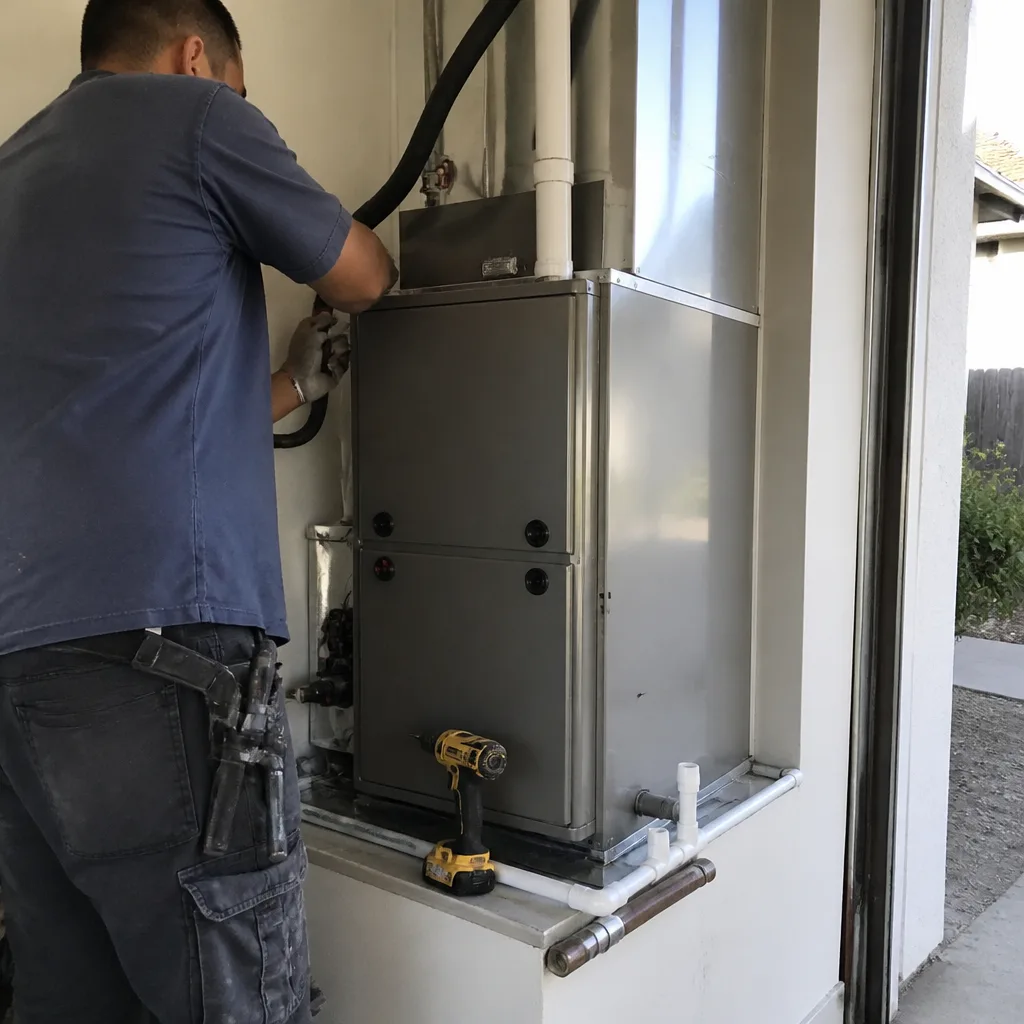 After
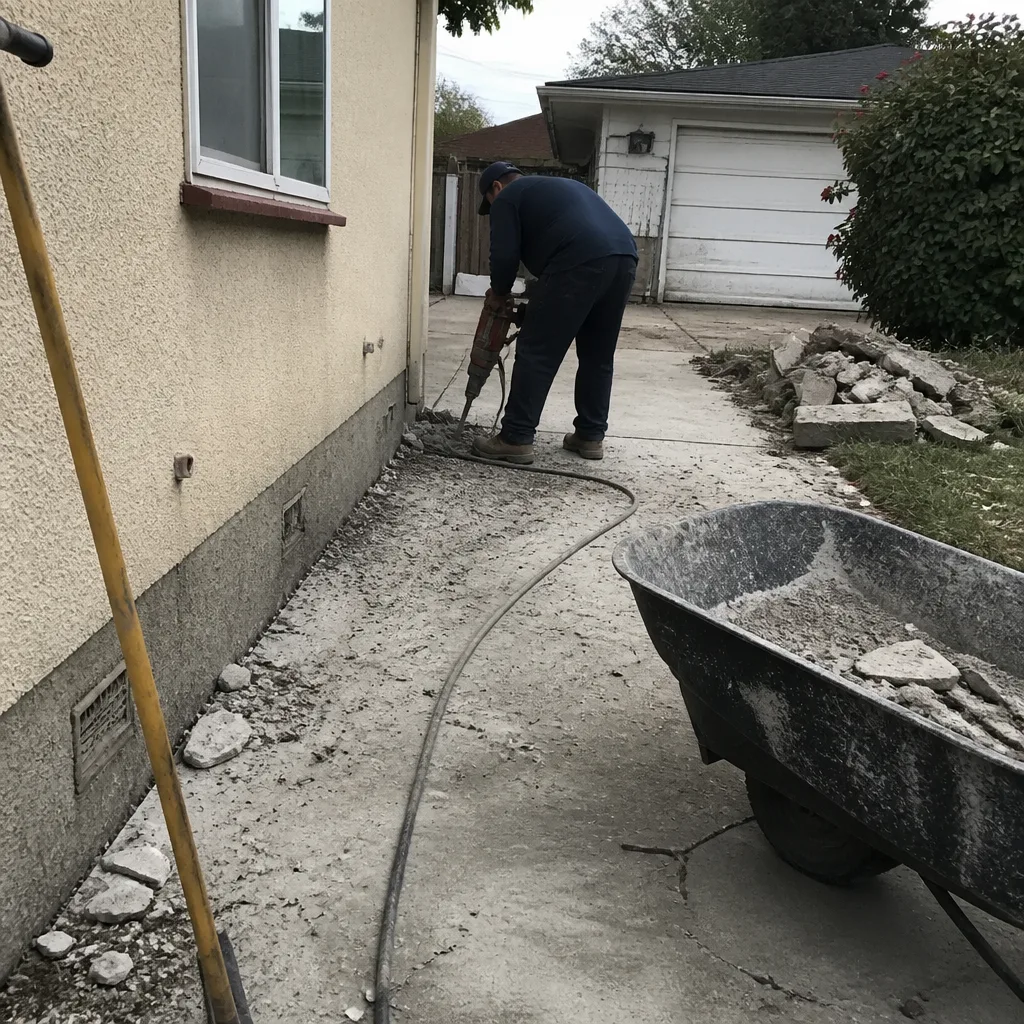
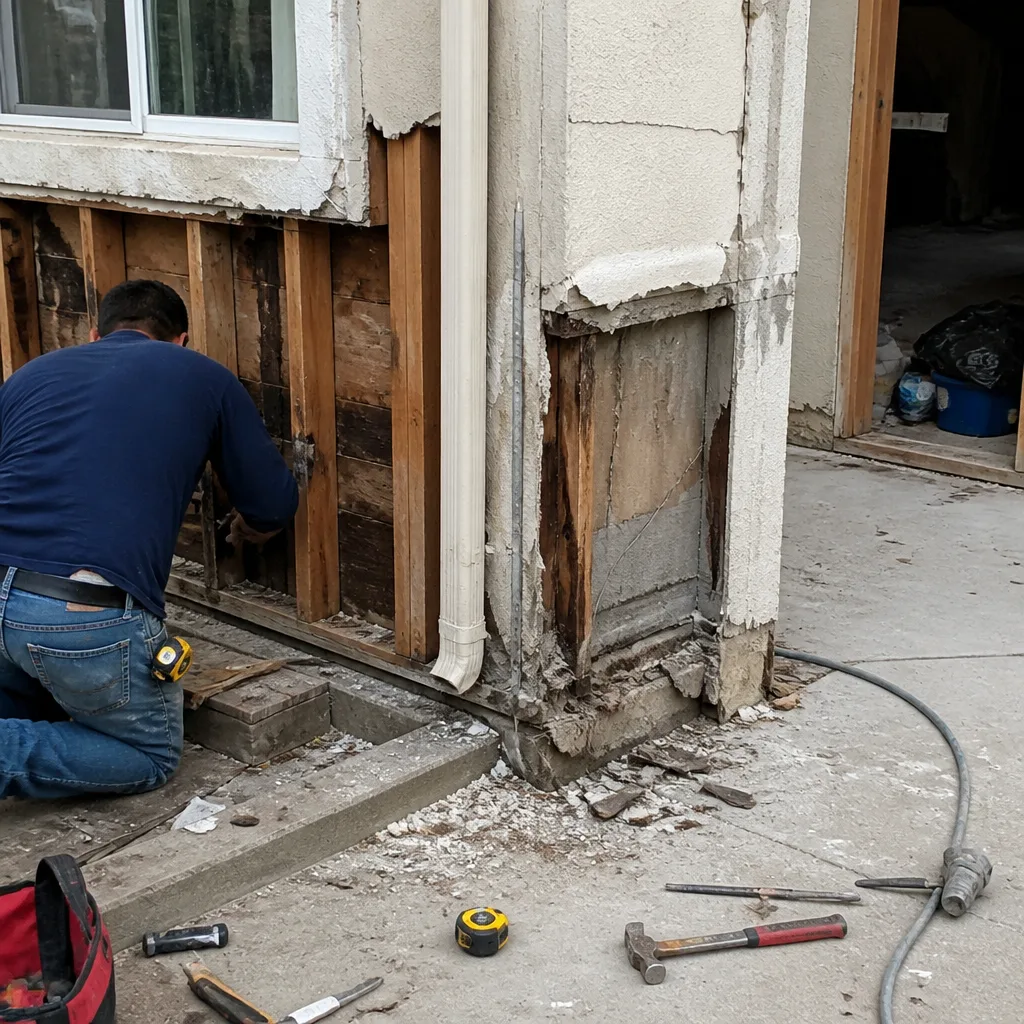 Before
 After
 Before
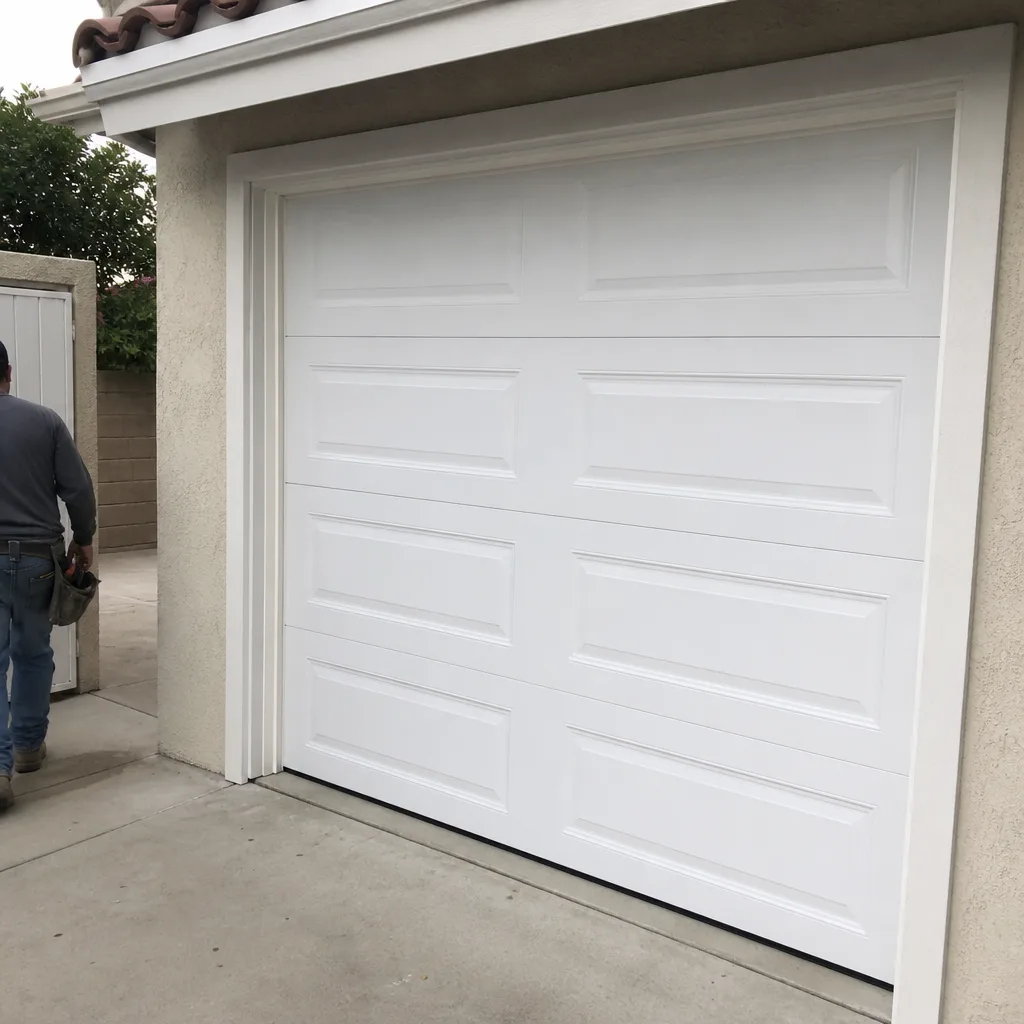 After
Cambria Service Pricing in Chinatown
| Service | Typical Range |
|---|---|
| Countertop Installation | $2,000 – $6,500 |
| Backsplash Installation | $800 – $2,500 |
| Kitchen Island Installation | $3,000 – $10,000 |
| Cabinet Installation | $4,000 – $13,000 |
These ranges reflect what we see across Chinatown jobs, including hand-carry access, scaffold requirements, and the extra labor of working inside century-old brick rooms where nothing is square. The number that matters is the one we give you after walking the building, because a second-floor walk-up on Waverly Place prices differently than a ground-floor unit on Grant Avenue. Our estimates are free and itemized, so you’ll see the access cost as its own line, not buried in the material markup. Call (844) 384-3361 to schedule a walk-through and get an exact number.
Serving Chinatown, CA — Our Local Coverage Area
We’re based in the Chinatown area and know this community well, and we also handle Cambria in San Francisco more broadly. Use the map below to see our service coverage — if you’re nearby, we can almost certainly help.
FAQs – Cambria Construction in Chinatown
Yes. We’ve hand-carried Cambria slabs to third-floor units in buildings with no elevator and stairwells too narrow for two people to pass. The route and the access plan get figured out before we quote, because the labor and any crane permit are part of the price, not a surprise at install. Call (844) 384-3361 and we’ll walk the building first.
A seam will always be visible to some degree; the question is whether it reads as a clean joint or a dark shadow line. In Chinatown kitchens where the original brick wall is out of square, we shim the cabinet run and dry-fit the slabs against the actual wall before cutting, so the seam lands where the light hits it least. Call (844) 384-3361 and we’ll show you what a seam will look like in your specific room before we cut anything.
Cambria quartz is non-porous, so the persistent fog and damp air in Chinatown and Cambria repair in Noe Valley won’t stain or absorb moisture the way marble or limestone would. The bigger concern is what the damp air has already done to your cabinets and walls: settled frames, corrosion on older hardware, and out-of-level floors. We account for all of that before the slab goes down. Call (844) 384-3361 for a free assessment of how your specific unit’s age and condition will affect the install.
Often, yes. A clean chip at an outside corner or a sink cutout can usually be filled, color-matched, and polished so it’s nearly invisible. A crack that runs through the slab or a break at an overhang is usually a replacement situation. We’ll give you a straight answer on which one you have. Call (844) 384-3361 and we’ll look at the slab before recommending anything.
If your building fronts on Grant Avenue or sits within a designated historic district, interior countertop replacement is typically exempt from preservation review, but any exterior work, signage, or storefront changes are not. We’ll help you figure out where the line is for your specific building, and we’ll handle the interior work in a way that doesn’t disturb the facade or the street-level storefront. Call (844) 384-3361 and we’ll walk you through it.
Service Areas Near Chinatown
Our Chinatown service area covers ZIP 94133 and reaches into surrounding San Francisco neighborhoods where similar century-old brick and mixed-use conditions apply. For projects outside the downtown core, we also serve Cambria service in Tiburon, Cambria service in Belvedere, and surrounding Bay Area communities where the same narrow-street, damp-air and hillside access challenges shape the work.
Book Your Cambria Service in Chinatown Today
We’ll walk your building, plan the access, template against your actual walls, and quote a price that includes the stairs, the scaffold, and the slab, whether you’re in Chinatown or need Cambria in Visitacion Valley. Call (844) 384-3361 to schedule your free estimate.
Written by Noel Figueroa, Owner & General Contractor at Workshop Contractors, serving Chinatown since the team first started hand-carrying slab through narrow alleys and century-old stairwells. Build it right the first time. The second time costs twice as much and nobody’s happy about it.