

Last updated October 31, 2026
 Home additions & ADU
 Kitchen remodeling
 Bathroom remodeling
 Roofing
 Windows & doors
 Driveway & pavers
 Fence
Free written scope consultation - allowances, timeline, and change-order rules on paper before a single trade is scheduled
Construction Warning Signs: A Ontario Homeowner’s Reference Guide
A hairline crack running at 45 degrees from a window corner isn’t settling. It’s a shear stress pattern that signals foundation or structural movement, and in Ontario’s expansive clay soil zones, it warrants investigation, not caulk. Most homeowners in the Inland Empire only recognize construction problems when they’re already expensive: a door that won’t close, a floor that’s visibly sloping, a wall that’s wet to the touch. This guide trains you to read the early-warning language that buildings speak in, with specific attention to how Ontario’s climate accelerates certain failure patterns that look minor but aren’t, and points you to more guides & resources for ongoing maintenance. By the time you finish, you’ll have a general contractor’s diagnostic eye, the kind that catches a $600 repair before it becomes a $60,000 gut job.
Quick Answer
Construction warning signs in Ontario, CA fall into four categories: structural cracks (diagonal, horizontal, and stair-step patterns), moisture intrusion (efflorescence, stucco delamination, fascia rot), material fatigue (roof granule loss, siding warping, sealant failure), and mechanical stress (doors that stick progressively, windows that won’t latch, floors that bounce). Any diagonal crack wider than 1/8 inch, any horizontal crack in a foundation wall, or any moisture stain that grows between dry seasons warrants a professional assessment. In Ontario specifically, expansive clay soil and summer temperatures routinely above 100°F mean these signs appear earlier and worsen faster than in coastal California communities.
Styles & brands we work with
Table of Contents
- Crack Pattern Literacy: Reading What Your Walls Are Saying
- Ontario-Specific Warning Signs: What the Inland Empire Climate Does to Buildings
- Interior Warning Signs: Sticking Doors, Bouncing Floors, and Other Clues
- Cosmetic Repairs vs. Structural Repairs: How to Tell What a Bidder Is Proposing
- California Disclosure Requirements: What You’re Legally Obligated to Report
- Material Fatigue Warning Signs by System: Roof, Siding, Windows, Hardscape
- A Seasonal Inspection Routine for Ontario Homeowners
- Common Mistakes to Avoid
- When to Call a Professional
- Frequently Asked Questions
Crack Pattern Literacy: Reading What Your Walls Are Saying
Not all cracks are created equal. In our experience working on home remodeling projects in Woodcrest and across the Ontario area, the single most useful skill a homeowner can develop is the ability to read crack geometry. The direction, width, and location of a crack tells you what’s moving, why it’s moving, and whether you need a structural engineer or a tube of elastomeric caulk.
Here’s what each pattern indicates in Ontario’s specific soil conditions:
- Vertical cracks (narrow, uniform width): Typically the least concerning. Concrete and stucco shrink as they cure, and vertical hairline cracks under 1/16 inch are usually cosmetic. If the crack is wider at the top than the bottom, that’s a different story: it suggests one side of the wall is settling faster than the other.
- Diagonal cracks (45 degrees from a corner): This is the one to respect. Diagonal cracks radiating from window corners, door corners, or wall intersections indicate shear stress, meaning two parts of the structure are moving in different directions. In Ontario, where expansive clay soil swells with winter rain and shrinks through summer drought, diagonal cracks often appear first at the corners of openings because those are the weakest points in a wall’s load path.
- Horizontal cracks (foundation walls): The most serious residential crack pattern. A horizontal crack in a foundation wall, especially one that’s wider in the middle than at the ends, suggests lateral soil pressure pushing the wall inward. This is not a caulk situation. This is a structural assessment situation, and the longer it waits, the more expensive the fix.
- Stair-step cracks (masonry or block walls): Stair-step cracks follow mortar joints in block construction. In Ontario’s older neighborhoods, where many homes have concrete block perimeter walls or CMU foundations, stair-step cracking indicates differential settlement: one section of the footing is dropping relative to another. If the crack is stable and hairline, monitor it. If it’s growing, act.
A practical approach: mark the ends of any crack with a pencil and date the mark. Check it monthly for three months. If the crack hasn’t moved, you’re likely dealing with curing shrinkage or a one-time settlement event. If the crack is growing, you need a professional evaluation.
Ontario-Specific Warning Signs: What the Inland Empire Climate Does to Buildings
Ontario sits in a climate that’s brutal on building materials in ways that coastal California homeowners never experience. Summer temperatures routinely exceed 100°F, winter nights can dip near freezing, and the region’s clay-heavy soils shrink and swell dramatically with seasonal moisture changes. These conditions create failure patterns that are specific to the Inland Empire, and recognizing them early is what separates a $400 repair from a $40,000 one.
Efflorescence on Block Walls
Efflorescence is that white, chalky residue you see on concrete block walls, retaining walls, or foundation stems. It’s not mold, and it’s not a structural problem by itself. But it is a diagnostic signal. Efflorescence forms when water moves through masonry, dissolving natural salts inside the material and depositing them on the surface as the water evaporates. In Ontario’s dry heat, evaporation happens fast, which means efflorescence appears quickly and prominently.
The warning sign to watch for: efflorescence that keeps returning after you clean it. That tells you water is moving through the wall on a regular basis, not just after a one-time rain event. Persistent efflorescence on an interior foundation wall suggests groundwater is pressing against the wall from the outside, which in Ontario’s expansive clay can mean drainage issues or a failed waterproofing membrane.
Stucco Delamination Bubbles
Ontario has thousands of stucco-clad homes, and stucco is a great exterior system in dry climates. But when moisture gets behind stucco, usually through failed sealant around windows, doors, or penetrations, the stucco can delaminate from its lath. You’ll see bubbles or soft spots when you press on the surface, or you’ll notice a hollow sound when you tap it. In humid climates, this shows up as visible water staining. In Ontario’s arid climate, the water evaporates too fast to stain, so delamination bubbles are often the only visible clue that moisture is trapped behind the wall.
What you’re looking for: areas of stucco that feel slightly spongy under hand pressure, or patches where the stucco has lost its bond and sounds hollow when tapped. Once delamination starts, it doesn’t stop on its own, and the fix typically involves cutting out the affected section, addressing the moisture source, and re-stuccoing the area.
Fascia Rot Patterns
Fascia boards are the horizontal trim boards that run along your roofline, behind the gutters. In Ontario, fascia rot follows a predictable pattern: it starts at gutter seams and downspout connections, where water reliably overflows or leaks. What makes it an Inland Empire-specific issue is the combination of intense sun and occasional heavy rain. UV exposure dries out the paint and exposes the wood fibers, and then a single winter storm saturates the vulnerable board. Repeat this cycle for a few years and the fascia begins to rot from the inside out.
Check your fascia boards at every corner, at every gutter seam, and below every valley in the roofline. Press a screwdriver into the wood at the bottom edge. If it sinks in with minimal pressure, the board is compromised. This matters because fascia rot is an entry point for roof leaks, and because the fascia is what your gutters attach to: once the board goes, the gutters start pulling away, and you get water running down your exterior walls.
Interior Warning Signs: Sticking Doors, Bouncing Floors, and Other Clues
Here’s a distinction most homeowners never learn: a door that sticks seasonally and a door that sticks progressively are two very different problems, with two very different price tags.
Seasonal sticking is normal. In Ontario’s dry summers, wood doors and door frames lose moisture and swell slightly, which can cause a door to rub against its frame. When humidity returns in winter, the door fits again. This is a nuisance, not a warning sign. The fix is usually a quick trim or a dehumidifier in the affected room.
Progressive sticking is a warning sign. If a door that used to operate smoothly now sticks at the top corner, and it’s getting worse every month regardless of season, the frame is out of square. Something is moving. In Ontario, the most common culprit is foundation settlement, particularly in homes built on expansive clay without properly compacted fill. The door is the symptom; the foundation is the problem.
Other interior warning signs that deserve attention:
- Gaps appearing between baseboards and the floor: This suggests the floor system is deflecting or the foundation is settling. Check whether the gap is uniform (usually just shrinkage) or wider at one end (differential movement).
- Drywall cracks that run from door corners at a 45-degree angle: Same shear stress pattern we discussed earlier. In interior walls, it often indicates a floor joist or roof truss issue rather than a foundation problem, but it still warrants investigation.
- Floors that bounce when you walk across them: Some deflection is normal in older homes. But if the bounce is new, or if you can feel a distinct soft spot, you may have a joist that’s cracked, a beam that’s sagging, or a subfloor that’s water-damaged.
- Windows that suddenly won’t latch: When a window frame shifts out of square, the latch no longer aligns. This is the same category as progressive door sticking: the opening is moving, which means the wall or foundation is moving.
- Nail pops appearing in drywall ceilings: One or two nail pops are normal in a home that’s a few years old. A cluster of nail pops in one area, especially if they appear suddenly, suggests the ceiling drywall is pulling away from the framing.
In our experience working on home renovation projects in Woodcrest, the homeowners who catch these signs early spend a fraction of what the ones who wait end up paying. A foundation inspection costs a few hundred dollars. A foundation repair can cost tens of thousands.
Cosmetic Repairs vs. Structural Repairs: How to Tell What a Bidder Is Proposing
When you invite a contractor to look at a problem, you’ll get a proposal. What you won’t always get is clarity about whether that proposal addresses the symptom or the cause. Our General Contractor Troubleshooting: Common Problems and How to Fix Them can help you read between the lines of a bid.
- Ask what’s causing the problem. A bid that doesn’t name the root cause is a red flag. “Repair crack in stucco at southwest corner” is a task list. “Repair stucco crack caused by failed window flashing, including window removal, flashing replacement, and stucco restoration” is a diagnosis. You want bids that include the diagnosis.
- Look for the words “structural” and “engineer.” If a bidder proposes a repair that involves foundation work, load-bearing walls, or framing modifications, and they don’t mention a structural engineer or building permit, ask why. In California, structural repairs generally require permits and engineering review. A contractor who proposes to do structural work without permits is proposing to do work that won’t pass inspection and won’t be insurable.
- Compare the scope lines. A cosmetic repair addresses what you can see. A structural repair addresses what you can’t. If one bid is $800 and another is $8,000 for the “same” crack, the $800 bid is probably proposing to fill the crack with caulk and paint over it. The $8,000 bid is probably proposing to address the movement that caused the crack. Neither bid is necessarily wrong, but you should know which one you’re buying.
- Ask about the warranty. Cosmetic repairs typically come with a one-year workmanship warranty. Structural repairs should come with something longer, often tied to the engineering solution. If a bidder won’t put a warranty in writing, that’s an answer, too.
At Workshop Contractors home, we manage both exterior envelope repairs and interior structural work as a single engagement. That matters when a cosmetic problem turns out to have a structural cause, because one team handles the whole discovery and repair process instead of two separate contractors pointing fingers at each other.
California Disclosure Requirements: What You’re Legally Obligated to Report
If you’re selling a home in Ontario, California law requires you to disclose material facts that affect the property’s value or desirability. Construction defects fall squarely into this category, and the definition of “material” is broader than most sellers realize.
Here’s what California’s disclosure rules mean for construction warning signs:
- Known cracks, water intrusion, or structural movement must be disclosed, even if you’ve decided not to repair them. The standard California Association of Realtors Seller Property Questionnaire asks specifically about foundation issues, water intrusion, and known defects.
- Past repairs don’t erase the disclosure obligation. If you repaired a foundation crack in 2021, you should disclose the repair and provide documentation. A buyer who discovers an undisclosed foundation repair after closing has grounds for a lawsuit.
- “I didn’t know” is not a defense when you should have known. If you have visible cracks, water stains, or doors that don’t close, a court can find that you had constructive knowledge even if you never called a contractor. This construct is the strongest argument for addressing warning signs early: by the time you’re ready to sell, the problem is either fixed or you’re legally obligated to talk about it.
- Ontario-specific disclosure context: Because the Inland Empire has well-documented expansive soil conditions, buyers and their inspectors are increasingly sophisticated about looking for foundation movement. A home inspection that flags a diagonal crack as “possible structural movement” will trigger additional scrutiny from lenders and insurers, which can delay or derail a sale.
The practical takeaway: if a construction warning sign is significant enough that you’d want to know about it as a buyer, it’s significant enough that you’re obligated to disclose it as a seller. Fixing it before listing is often the most cost-effective strategy.
Material Fatigue Warning Signs by System: Roof, Siding, Windows, Hardscape
Different building systems fail differently, and Ontario’s climate produces distinct fatigue patterns in each one. Here’s what to look for, system by system.
Roofing
In Ontario’s intense sun, asphalt shingles age through UV degradation and thermal cycling, not rain exposure. You’ll see granule loss first: check your gutters for accumulated granules, and look for shingles that appear patchy or bald. Curling at the edges is the next stage, followed by cracking. On tile roofs, look for cracked or slipped tiles after wind events. On any roof, check the flashing around penetrations. Failed flashing is the cause of more Ontario roof leaks than failed shingles.
When we source roofing materials for general contracting projects in Woodcrest, we’re looking at GAF, CertainTeed, and Owens Corning products because the manufacturer matters for longevity: a quality architectural shingle handles 100°F summers differently than a bargain three-tab.
Siding
Fiber cement siding, like James Hardie products, holds up well in Ontario’s climate but still has failure points. Watch for caulked joints that have cracked or pulled away, which creates water entry points. On wood siding, check the bottom edge of each board for soft spots, which indicate moisture wicking up from the ground or from splashback. On any siding system, the most common failure point is where siding meets trim at windows and doors, because that’s where sealant failure allows water behind the siding.
Windows and Doors
Window failures in Ontario show up as failed thermal seals, which you’ll recognize as fog between the glass panes. The Inland Empire’s temperature swings cause sealant and gasket materials to expand and contract repeatedly, accelerating seal failure. For doors, check the weatherstripping at the threshold and the corners of the frame. A door that lets light through at the corner is letting conditioned air out and outside air in.
Hardscape
Pavers and concrete flatwork in Ontario face a unique challenge: the expansive clay soil beneath them moves. Settled pavers that create trip hazards, concrete slabs that have shifted vertically at the joints, and retaining walls that are starting to lean are all warning signs of soil movement. For pavers from manufacturers like Belgard or Unilock, the material itself rarely fails: what fails is the base preparation underneath. A properly compacted base with the right drainage details handles Ontario’s soil movement differently than a thin layer of sand over native clay.
A Seasonal Inspection Routine for Ontario Homeowners
The most effective way to catch construction warning signs early is to look for them on a schedule. Our General Contractor Maintenance Checklist for Ontario Homeowners outlines a seasonal routine that takes about an hour, twice a year, and catches most problems before they become expensive.
Spring Inspection (April, after the last rain)
- Walk the perimeter of the house. Look for new cracks in stucco or siding, paying special attention to corners and window openings. The winter rains will have caused the soil to swell, which is when movement-related cracks typically appear.
- Check the roof from the ground. Use binoculars if you have them. Look for missing granules, curled shingles, cracked tiles, and anything that looks out of place at the flashing points.
- Inspect the foundation. Look for new cracks, efflorescence, or water staining on the visible portion of the foundation wall. In Ontario, the spring is when groundwater levels are highest after winter rain.
- Test all doors and windows. Open and close every exterior door and window. Note any that stick, any that have begun to need more force than before, and any latches that no longer align.
Fall Inspection (October, before winter rain)
- Clean gutters and check fascia. While you’re on the ladder, press a screwdriver into fascia boards at the gutter seams and downspout locations. If the board feels soft, call a professional before the winter rains put water against the compromised wood.
- Check sealant around windows and doors. Look for cracked, peeling, or missing caulk. In Ontario’s dry summer, sealant dries out and pulls away, and that’s the entry point for winter moisture.
- Inspect hardscape for settling. Walk every paver patio, walkway, and concrete slab. Note any new settling, vertical offsets, or retaining walls that appear to be leaning. The dry summer is when clay soil shrinks and hardscape settles.
- Test interior floors and walls. Walk each room and feel for new soft spots or bounce in the floors. Check the drywall around door corners and window corners for new cracks.
Common Mistakes to Avoid
- Caulking over diagonal cracks without investigating the cause. A tube of caulk hides the crack but doesn’t address the movement that created it. In Ontario’s expansive soil, the movement continues, and the crack reappears, usually bigger. If the crack is diagonal, wider than 1/8 inch, or growing, get a professional assessment before you reach for the caulk gun.
- Assuming all foundation cracks are the same. A vertical hairline crack from curing shrinkage is not the same as a horizontal crack from soil pressure. Treating them as equivalent is how a $500 repair becomes a $50,000 repair.
- Ignoring efflorescence because it “washes off.” Efflorescence is a symptom of water movement through masonry. If it keeps coming back, the water keeps moving. In Ontario’s dry climate, that water is evaporating fast, which hides the problem. It doesn’t make the problem go away.
- Waiting until you sell to address disclosure items. By the time a construction defect shows up on a disclosure form, you’re negotiating from weakness. Buyers discount for uncertainty, and lenders get skittish. Addressing warning signs when you find them is usually cheaper than addressing them under the pressure of a transaction.
- Hiring a specialist for a symptom without understanding the cause. A painter can make a water stain disappear. A foundation company can pour a new footing. But if the water stain is caused by failed flashing, and the flashing isn’t fixed, the stain returns. Understanding the root cause before you hire anyone is the single most valuable skill in home maintenance.
- Assuming “older homes are just like that.” Some older Ontario homes have doors that have stuck for decades, and the foundation is fine. Others have doors that started sticking last year, and the foundation is not fine. The distinction matters, and it’s worth the cost of an inspection to find out which situation you’re in.
When to Call a Professional
Some construction warning signs call for monitoring. Others call for immediate professional attention. Call a structural engineer or a qualified general contractor if you see any of these: a horizontal crack in a foundation wall of any width, a diagonal crack that’s wider than 1/8 inch or growing, a retaining wall that’s leaning, a floor that’s visibly sloping, or any water intrusion that keeps recurring after repairs. If you’re in Ontario and you’re not sure whether what you’re seeing is cosmetic or structural, the cost of an assessment is almost always less than the cost of ignoring it. Workshop Contractors offers free estimates in Ontario, call (844) 384-3361 and we’ll take a look at what’s going on and give you an honest read on whether it needs attention now or can wait.
Frequently Asked Questions
Foundation repairs in Ontario typically range from $5,000 for minor crack injection to $30,000 or more for piering or wall stabilization, depending on the extent of the movement and the repair method required. The cost is driven by the specific failure mechanism, the accessibility of the affected area, and whether engineering and permits are required. In Ontario’s expansive clay zones, preventive drainage improvements are often part of the scope. Call (844) 384-3361 for an exact quote, estimates are free.
A hairline crack in stucco is usually not a structural concern if it’s vertical, uniform in width, and hasn’t changed in months. In Ontario’s climate, stucco cracks from thermal expansion and curing shrinkage are common. What warrants attention is a diagonal crack near a window or door corner, a crack wider than 1/8 inch, or any crack that’s growing.
A sticking door is a foundation concern if it sticks progressively, meaning it gets worse over time regardless of season, and if it sticks at the top corner while leaving a gap at the bottom corner on the hinge side. Seasonal sticking that comes and goes with humidity changes is normal in Ontario’s dry climate and usually just needs a minor adjustment.
In California, structural foundation repairs generally require a building permit and an engineering review. Cosmetic crack filling, like epoxy injection into a non-structural crack, may not require a permit, but any repair that involves underpinning, piering, wall reconstruction, or significant excavation almost certainly does. Ontario enforces California Building Code, so structural work done without permits creates liability and resale problems.
Efflorescence on your foundation means water is moving through the concrete or masonry. A one-time appearance after heavy rain is usually not serious. Persistent efflorescence that returns after cleaning, especially if it’s on the interior side of the foundation, indicates ongoing water movement that deserves investigation. In Ontario’s clay soil, this often points to drainage problems or a failed waterproofing membrane.
A qualified general contractor can evaluate structural problems and identify the likely cause, and in many cases a GC can manage the repair with engineering input. See our DIY vs Professional Construction: The Ontario Homeowner’s Decision Guide to help decide when to call in a pro. For significant structural work, California requires an engineered solution, which means the GC will bring in a licensed structural engineer to design the repair and the GC will execute it. The advantage of working with a single-source contractor is that the engineer, the repair crew, and the restoration work all report through one contract, so you’re not coordinating between multiple parties.
The Bottom Line
Construction warning signs are a language, and learning to read them is the most valuable skill an Ontario homeowner can develop. Diagonal cracks signal shear stress. Horizontal cracks signal soil pressure. Persistent efflorescence signals water movement. Progressive door sticking signals frame or foundation movement. And every one of these signs is cheaper to address the day you find it than the day you can’t ignore it. In a climate where expansive clay soil and triple-digit summers accelerate every failure pattern, the homeowners who inspect seasonally, document what they find, and call a professional when the signs point to structural movement are the ones who protect their investment. If something you’re seeing doesn’t match what this guide describes, call us: (844) 384-3361.
Written by the team at Workshop Contractors, serving Ontario since 2011.
See the difference
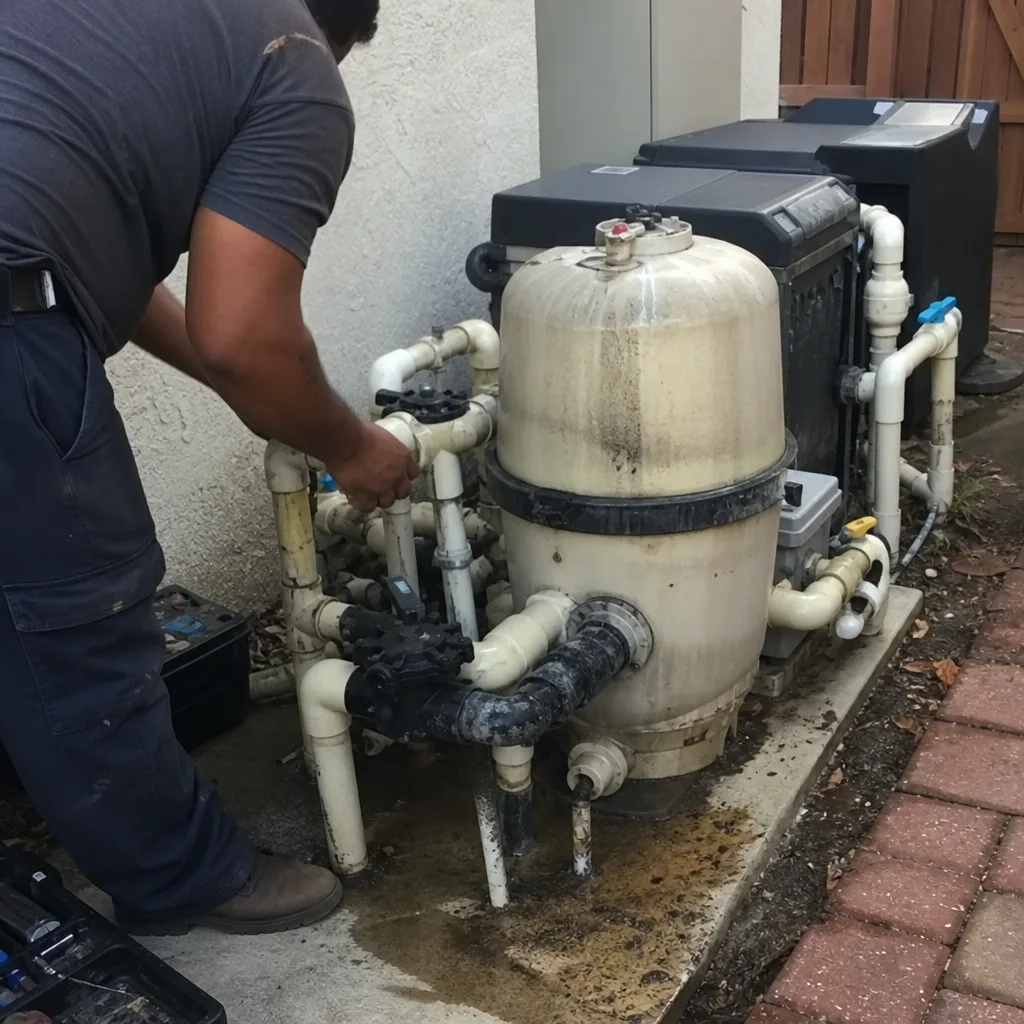 Before
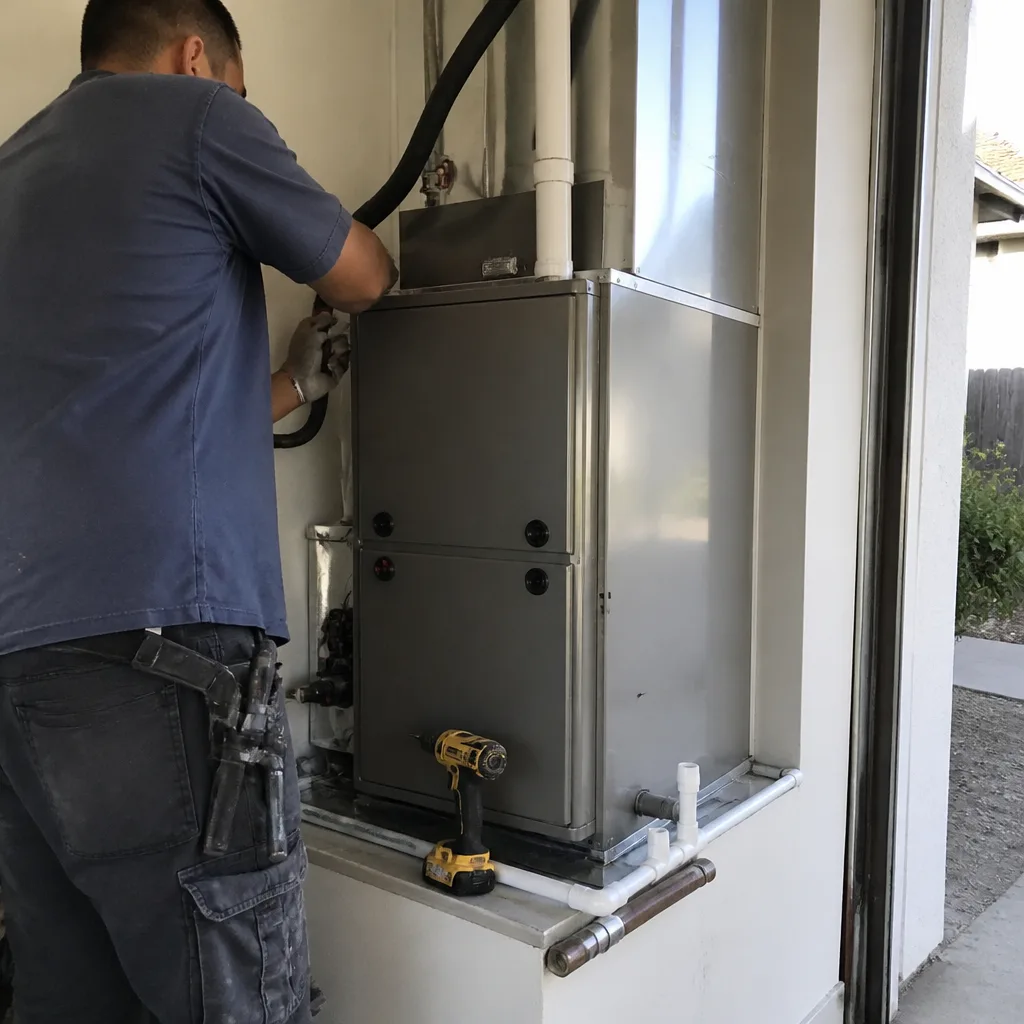 After
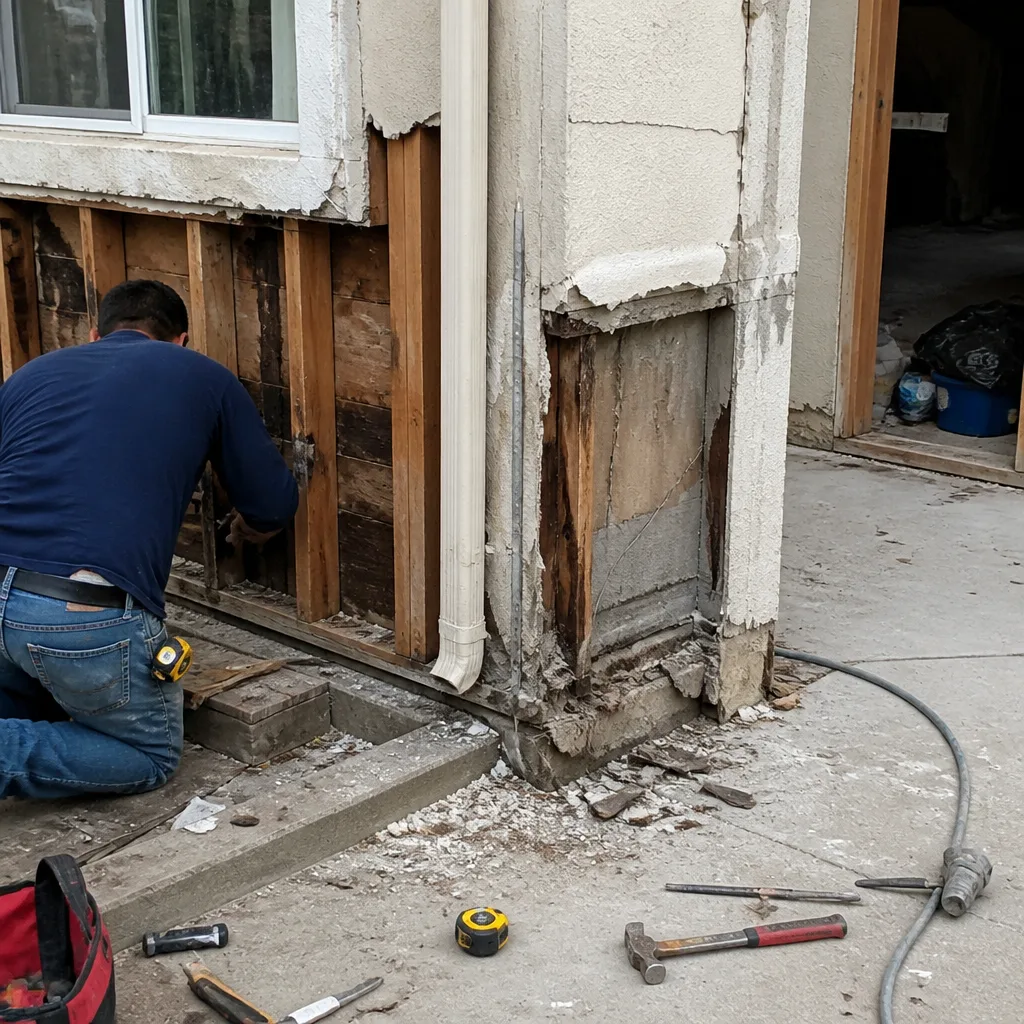 Before
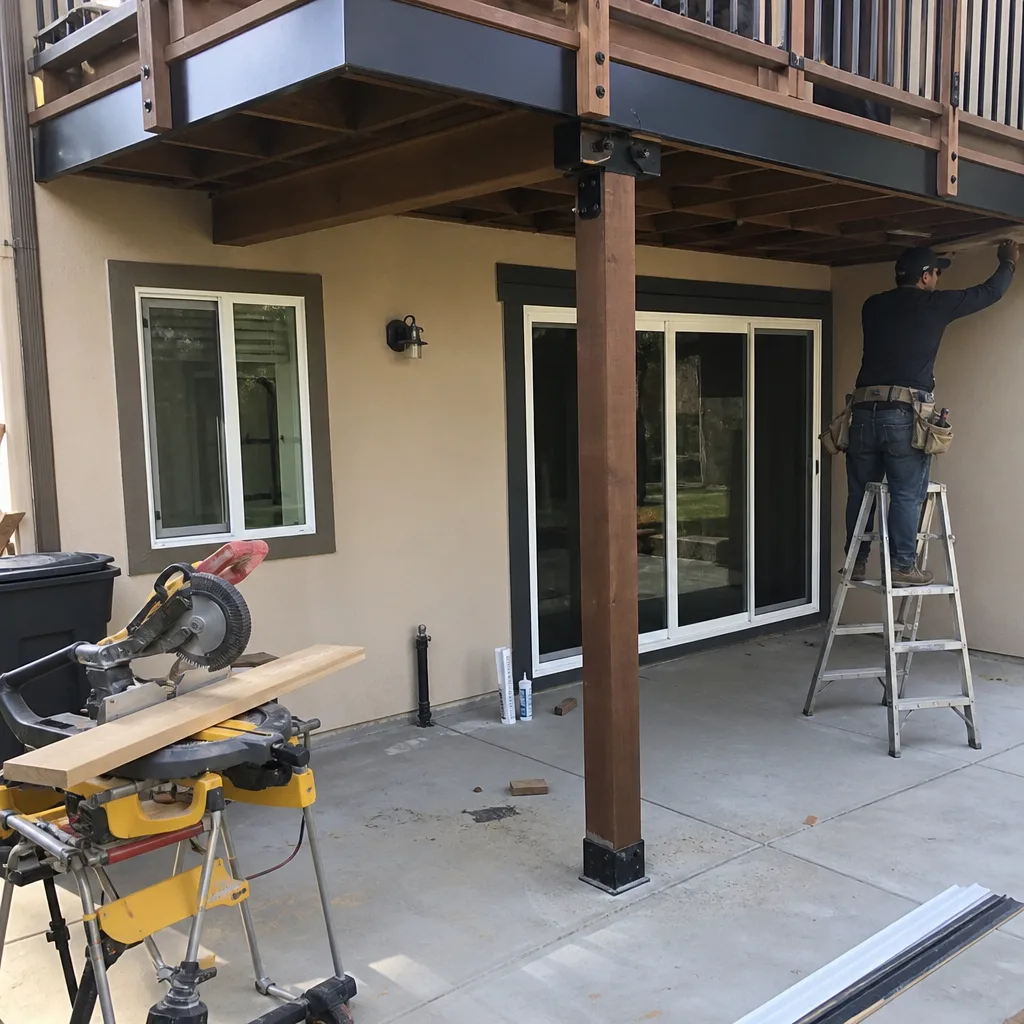 After
 Before
 After