

Last updated October 31, 2026
 Home additions & ADU
 Kitchen remodeling
 Bathroom remodeling
 Roofing
 Windows & doors
 Driveway & pavers
 Fence
Free written scope consultation - allowances, timeline, and change-order rules on paper before a single trade is scheduled
General Contractor Maintenance Checklist for Ontario Homeowners
A cracked caulk line around an Ontario window isn’t cosmetic. Summer heat cycles in the Inland Empire push wall temperatures past 110°F on south-facing exposures, and a failed seal becomes an active moisture and pest ingress point within a single season. Most maintenance checklists you’ll find online were written for generic climates: moderate rainfall, mild summers, soft water. Ontario homes face a different reality entirely, and a checklist that ignores it costs you money. This guide gives you a contractor-grade maintenance sequence organized by building system, not by calendar month, so you can catch failures before they cascade into five-figure repairs.
Styles & brands we work with
Quick Answer
Our General Contractor services prioritize five systems for Ontario, CA homeowners in this order: roof and gutter drainage, exterior cladding and window seals, HVAC and filtration, plumbing and hard water mitigation, and foundation and site grading. The most cost-effective maintenance cadence is twice-yearly inspections (late fall and early spring), with specific monthly checks on drainage, caulk lines, and filter replacement. Because Ontario’s combination of heat-driven expansion, Santa Ana wind debris, and hard mineral water accelerates failure on specific materials, a system-based checklist catches problems that a generic seasonal list will miss.
Table of Contents
- Roof and Drainage: The System Everything Else Depends On
- Exterior Cladding and Window Seals: Ontario’s Heat Cycle Test
- HVAC and Air Filtration: Filters, Coils, and the Santa Ana Factor
- Plumbing and Hard Water: Ontario’s Silent Pipe Killer
- Foundation and Site Grading: Reading the Soil Around Your Slab
- How Deferred Maintenance Creates Cascade Failures
- Warranty-Sensitive Maintenance: What DIY Work Can Void
- Common Mistakes to Avoid
- When to Call a Professional
- Frequently Asked Questions
- The Bottom Line
Roof and Drainage: The System Everything Else Depends On
We’ve walked hundreds of Ontario roofs, and the pattern is consistent: the roof itself is rarely the first point of failure. The drainage system is. In our experience, a roof inspection that stops at the shingles misses the actual problem about half the time. Here’s the sequence we work through when we assess a roof in Ontario, and it’s the same sequence you should use for your own twice-yearly check.
Start with the gutters. Santa Ana winds in October and November deposit a specific kind of debris: fine dust, eucalyptus bark, palm fronds, and the light, papery leaves from Chinese elms that line streets across older Ontario neighborhoods. This debris packs into gutters differently than the heavy, wet leaves you’d find in coastal climates. It compacts into a dense mat that holds water against the gutter metal, accelerating rust on steel and galvanized systems. We’ve pulled gutters off homes in the Cimarron and Ontario Ranch areas that looked intact from the ground but had rust-through at every hanger point.
Next, check the downspouts and splash blocks. Ontario’s soil is predominantly sandy loam over alluvial deposits. It drains reasonably well, but concentrated downspout discharge erodes it quickly. A downspout that dumps water directly against the foundation edge will, over two or three rainy seasons, create a visible channel and start undermining the slab edge. This is one of the most preventable foundation issues we see in Ontario.
Finally, assess the roof surface itself. Asphalt shingles in Ontario’s UV environment age faster than manufacturing warranties suggest. The combination of 260-plus sunny days per year and summer surface temperatures approaching 160°F bakes the asphalt, causing granule loss and brittleness. When you check your roof, look for: granule accumulation in gutters (a sign the shingles are shedding their protective layer), curled or lifting shingle edges, and any exposed nail heads. If you see granules in the gutter but the shingles look intact, you’re likely in the monitoring phase; if shingles are curling, you’re in the replacement planning phase.
For homeowners considering a roof replacement, product selection matters more in Ontario than in milder climates. We source and install roofing from multiple manufacturers, including IKO, Atlas, Tamko, and Boral, because different profiles suit different homes and budgets. A homeowner who wants maximum heat reflectivity might choose a specific Atlas line; someone prioritizing impact resistance for wind-driven debris might look at a different profile from Tamko. The point is that material selection isn’t a one-size decision, and a General Contractor in Woodcrest or Ontario should be able to walk you through those trade-offs without pushing a single brand.
Ontario Roof Maintenance Sequence
- Inspect gutters and downspouts every 60 days during Santa Ana season (October through January). Remove compacted debris. Check hanger spacing; sagging gutters hold water and accelerate rust.
- After any wind event over 40 mph, walk the property perimeter. Look for lifted shingle tabs, displaced tile, and debris accumulation against the foundation.
- Check attic ventilation in late spring. Ontario’s summer heat pushes attic temps past 140°F. Verify soffit vents aren’t blocked and ridge or gable vents are clear. Overheated attics bake shingles from underneath and cut years off a roof’s service life.
- Evaluate granule loss annually. Run a hand along the gutter outlet after a rain. Heavy granule accumulation is a leading indicator your roof has 3 to 5 years of functional life remaining, regardless of the warranty length printed on the packaging.
- Document everything. Photos from the same angles each inspection season create a change log that helps a contractor distinguish new damage from pre-existing conditions.
Exterior Cladding and Window Seals: Ontario’s Heat Cycle Test
Ontario’s diurnal temperature swing, the gap between daytime highs and nighttime lows, often exceeds 30°F during spring and fall. Every material on your home’s exterior expands and contracts through that cycle daily. Wood trim, stucco, vinyl, fiber cement, aluminum window frames: each has a different coefficient of thermal expansion. Where two different materials meet, the joint is under constant stress. Caulk is the sacrificial material in that system, and in Ontario, it fails faster than manufacturers anticipate.
Here’s what we look at on exterior cladding inspections, and what you should add to your own checklist:
Caulk and sealant joints. Every joint around windows, doors, hose bibs, dryer vents, and utility penetrations should be checked twice a year. In Ontario, a failed caulk joint on the south or west elevation is an active problem, not a future one. Summer sun heats the wall cavity, the failed seal opens, and hot exterior air is drawn into the wall as the cavity cools at night. That air carries moisture. Over a single summer, you can develop mold inside a wall cavity from a seal that looked fine in March.
Window frame seals and glazing. Double-pane window seals fail through a process accelerated by high UV and heat. When you see fogging or condensation between the panes, the insulating gas has escaped and the window’s thermal performance is compromised. In Ontario, we typically see insulated glass unit seal failures concentrated on south and west elevations first. If you have multiple windows fogging, it’s rarely a coincidence: it’s a sign the entire window package is aging out, and a Home Remodeling in Woodcrest or Ontario project might be more cost-effective than replacing units one at a time.
Stucco and siding condition. Ontario homes built before 2000 are predominantly stucco, and stucco handles Ontario’s heat well but is vulnerable to water intrusion at horizontal transitions. Look for hairline cracks around window corners, staining below parapet caps, and efflorescence (white mineral deposits) that indicates water moving through the stucco matrix. For siding, James Hardie fiber cement products hold up well in Ontario’s climate, but the installation details matter as much as the material. We specify James Hardie siding on many Ontario exterior projects because the product resists the heat-driven warping that vinyl and wood experience, but we also inspect the flashing and joint details that determine whether the siding actually performs.
Door thresholds and weatherstripping. Ontario’s dust is a maintenance factor most homeowners overlook. Fine particulate from the Santa Ana winds and daily urban activity infiltrates every gap. Weatherstripping on exterior doors wears faster here than in coastal markets. Test thresholds with a dollar bill: close the door on the bill and pull. If it slides out with no resistance, the seal is gone. You’re paying to condition outdoor air.
HVAC and Air Filtration: Filters, Coils, and the Santa Ana Factor
Ontario’s air quality during Santa Ana events is rough. The winds pick up particulate from the high desert and push it through the Inland Empire, and your HVAC system’s air filter is the first line of defense. But a dirty filter does more than degrade indoor air quality. It increases static pressure across the system, reduces airflow over the evaporator coil, and forces the compressor to work harder. In Ontario’s summer cooling season, that translates directly to higher energy bills and shortened equipment life.
We recommend the following HVAC maintenance cadence for Ontario homeowners:
- Check the filter monthly during summer (May through October). In a household with pets or during Santa Ana season, expect to replace a standard 1-inch filter every 30 to 45 days. High-MERV filters capture more particulate but restrict airflow; ensure your system is designed for the filter you choose.
- Inspect the outdoor condenser coil at the start of summer. Cottonwood, palm fiber, and fine dust accumulate on coil fins and reduce heat exchange efficiency. A coated coil can be gently rinsed with a garden hose. If the coil looks matted or you see bent fins, have a professional clean and comb it.
- Check the condensate drain line every spring. Algae and mineral scale from Ontario’s hard water can clog the line, causing water damage at the air handler. A cup of white vinegar poured into the drain line twice a year prevents most clogs.
- Listen for compressor short-cycling. If your AC turns on and off in bursts, the system may be oversized for the load or there’s a refrigerant or electrical issue. Ontario’s summer heat makes small problems into big ones fast.
One note on HVAC and renovation: if you’re planning a Home Renovation in Woodcrest or Ontario project that changes the conditioned square footage, adding a room or converting a garage, your existing HVAC system may no longer be sized correctly. We’ve seen homeowners invest in a beautiful addition and then discover the original system can’t maintain comfort in the new space. This is exactly the kind of system interaction that a single-source general contractor manages: the renovation scope includes confirming the mechanical system can handle the new load.
Plumbing and Hard Water: Ontario’s Silent Pipe Killer
Ontario’s municipal water supply is moderately hard to hard, depending on the specific source blend in any given year. Hard water isn’t a health hazard, but it’s a maintenance cost multiplier. Mineral scale builds up inside water heaters, coats faucet aerators and shower heads, and reduces the effective diameter of supply lines over time. The cumulative effect is reduced water pressure, shortened water heater life, and premature failure of valve cartridges in fixtures from Kohler, Moen, and other manufacturers we specify.
Your plumbing maintenance checklist should include:
- Flush the water heater annually. Ontario’s hard water creates sediment accumulation that insulates the tank bottom from the burner or element, reducing efficiency and accelerating tank failure. Attach a hose to the drain valve and flush until the water runs clear. If the drain valve is plastic and hasn’t been opened in years, replace it with a brass full-port valve.
- Descale faucet aerators and shower heads every 90 days. Soak aerators in white vinegar for an hour, then brush off remaining scale. If you’re replacing fixtures, choose models with easy-clean spray faces. We install plumbing fixtures from Kohler, Grohe, and Toto specifically because their aerator and cartridge designs hold up better to mineral buildup.
- Inspect angle stops and supply lines under sinks every 6 months. Look for corrosion at the connection points and any sign of weeping. Rubber-braided supply lines have a service life of roughly 10 years; if yours are older, replace them proactively.
- Check your water pressure at the hose bib once a year. Target range is 40 to 60 PSI. Ontario’s supply pressure can spike above 80 PSI in some areas, which stresses every valve and fitting in the house. If you’re consistently above 80, install a pressure-reducing valve at the main.
- Test the main shutoff valve quarterly. A main valve that won’t turn when you need it turns a small leak into catastrophic water damage. Work the valve back and forth a quarter turn each season to prevent seizing.
Foundation and Site Grading: Reading the Soil Around Your Slab
Ontario sits on alluvial plain, the soil deposited over millennia by the Santa Ana River and its tributaries. That soil is a mix of sand, silt, and clay, and it reacts to moisture differently depending on the exact composition on your lot. During dry years, expansive clay soils shrink, and slabs experience differential settling. During wet years, those same soils swell. The maintenance implication: your foundation is constantly interacting with the moisture level of the soil around it, and you can manage a lot of that interaction with grade and drainage.
Walk your property perimeter twice a year and check these items:
- Grade slope away from the foundation. The first 6 feet of soil adjacent to the slab should slope away at a minimum of 6 inches over that distance. Erosion from roof runoff, landscape work, and settling fill material all flatten grade over time. When grade flattens or slopes toward the house, water pools at the slab edge and migrates under the foundation.
- Inspect for visible cracking. Hairline cracks in interior drywall or stucco are common in Ontario and often cosmetic. But a crack wider than 1/8 inch, a crack that changes width seasonally, or a crack that runs diagonally from a window or door corner can indicate structural movement. Monitor those cracks with dated photos. If growth continues over two inspection cycles, it’s time for a professional foundation evaluation.
- Check the soil moisture pattern. During extended Ontario heat waves, soil dries and contracts, and the perimeter of your slab experiences more stress. Watering the soil around the foundation during prolonged dry periods, ideally with a drip system placed 18 to 24 inches from the slab, moderates that stress. But don’t overwater: saturated expansive soil causes heaving.
- Verify that irrigation isn’t pointed at the foundation. Sprinkler heads that spray the base of the wall, or drip emitters within 12 inches of the slab, maintain a permanently wet zone that invites moisture intrusion and sulfate attack on the concrete.
Foundation issues in Ontario are more manageable early than late. A $500 grade correction or drainage fix now prevents a $15,000 slab repair later. That’s the math behind a real maintenance program.
How Deferred Maintenance Creates Cascade Failures
Most homeowners think of maintenance items as independent tasks. The contractor’s view is different: every system on your house connects to at least two others, and failure in one system migrates. In Ontario, we see specific cascade patterns repeat across the city.
The gutter-to-fascia-to-soffit-to-attic chain. A clogged gutter overflows. Water runs behind the gutter and saturates the fascia board. The fascia rots, which loosens the gutter hangers, making the overflow worse. The soffit, the vented panel under the eave, absorbs moisture from the saturated fascia and begins to rot or support mold. Now the attic ventilation is compromised at exactly the point where it matters most, the roof edge. Moist, hot attic air accelerates shingle failure from below. A $200 gutter cleaning deferred becomes a $4,000 fascia and soffit repair plus premature roof replacement.
The window seal-to-wall cavity-to-drywall chain. A failed caulk joint at a window head allows moisture into the wall cavity. In Ontario’s heating season, that moisture stays in the cavity because the wall never fully dries during cool, damp winter periods. It migrates to interior drywall, where it appears as staining or bubbling paint around the window. By the time the stain is visible, the moisture has been working in the cavity for months. The fix is no longer caulk; it’s opening the wall, drying the cavity, and repairing finishes.
The hard water-to-fixture-to-supply-line chain. Ontario’s mineral-rich water builds scale inside supply lines and fixture cartridges. As scale accumulates, water pressure drops. Homeowners respond by opening fixture valves wider, which increases flow velocity and, in deteriorating pipes, accelerates pinhole leak formation. A $50 water softener maintenance call becomes a $2,500 repipe when the pinholes appear.
This is why a general contractor’s maintenance perspective differs from a handyman’s. A handyman fixes the visible item. A contractor walks the chain backward and forward, looking for what caused the visible failure and what the visible failure will cause next. When we’re engaged for a Workshop Contractors home renovation or maintenance review, the deliverable is a prioritized list that accounts for those interactions, not just a list of broken things.
Warranty-Sensitive Maintenance: What DIY Work Can Void
Manufacturer warranties on roofing, windows, and siding are contracts with specific terms, and some common maintenance approaches void those contracts without the homeowner realizing it. This is particularly relevant in Ontario, where heat and UV stress make warranty claims more likely than in milder climates.
Roofing warranties. Most asphalt shingle manufacturers, including Atlas and IKO, include language requiring that roof maintenance be performed in a way that doesn’t damage the shingles. Pressure washing an asphalt shingle roof is the most common warranty-voiding mistake we see. The high-pressure spray strips granules, and granule loss is the primary mechanism of shingle failure. Similarly, applying sealant or coating products not approved by the manufacturer voids the material warranty in most cases. If you’re inspecting your roof, walk it carefully in cool conditions, or better, inspect from a ladder. Footfall damage from walking a hot roof, a normal Tuesday in Ontario between May and September, can crack brittle shingles.
Window warranties. Window manufacturers warrant the glass unit and the frame, but the warranty typically excludes damage from improper maintenance. Using caustic cleaners on frames, pressure washing window exteriors, or painting vinyl frames a dark color (which increases heat absorption and accelerates frame warping) are all warranty-voiding actions. In Ontario’s sun, dark painted vinyl frames warp faster than the manufacturer’s engineering tolerances anticipated.
Siding warranties. For products like James Hardie fiber cement, warranty coverage depends on proper installation and maintenance. The maintenance requirement is usually straightforward: keep the siding clean and ensure no standing water reaches it. But there’s an installation dimension: if the siding is improperly flashed or installed by someone unfamiliar with the manufacturer’s published installation requirements, the warranty is void from day one. This is one reason we recommend that Ontario homeowners use a licensed general contractor, not a handyman, for siding work. For more guidance, see our article on How to Hire a Construction Contractor in Ontario: A Step-by-Step Guide. The manufacturer’s warranty only protects you if the installation meets the manufacturer’s standard, and that standard is a technical document, not common sense.
The general rule: read the warranty document for any major exterior component, and call a professional for any maintenance action that involves mechanical force, chemical treatment, or removal of installed material. The cost of the service call is almost always less than the value of the warranty you’d void by doing it wrong.
Common Mistakes to Avoid
- Skipping the fall gutter cleaning because “the Santa Anas will just blow more debris anyway.” That’s exactly why you clean them. Wind-drive debris compacts and holds water. A gutter full of wet, packed material is the starting point for the cascade failures described above.
- Checking windows only when you notice a draft. By the time you feel the draft, the seal has been compromised for months, and moisture damage may already exist in the wall cavity. Add window joint inspection to your twice-yearly walk.
- Pressure washing the exterior of an older Ontario home. Stucco, wood trim, and older siding don’t handle high-pressure spray well. Water gets injected behind cladding and into wall cavities. Soft washing or hand cleaning with a mild detergent avoids the damage.
- Ignoring the water heater until it stops making hot water. In Ontario’s hard water environment, the failure mode is often a rusted tank that releases water onto the garage floor or interior space. Annual flushing and a 10-year replacement plan prevent the emergency version.
- Treating maintenance as a list of separate chores rather than a system check. The whole point of a contractor-grade checklist is recognizing connections. You’re not “cleaning gutters”; you’re protecting the fascia, soffit, attic, roof deck, and foundation. That reframing changes what you notice when you’re up on the ladder.
- Assuming a home warranty covers deferred maintenance consequences. Home warranty companies deny claims for damage caused by lack of maintenance, and the evidence is usually visible. A failed water heater due to accumulated sediment is a maintenance exclusion, not a covered repair.
- Calling a specialist before understanding the full scope. Ontario homeowners sometimes call a roofer for a leak that’s actually a window seal issue, or a plumber for a pressure problem that’s actually a failing supply line affected by scale. A general contractor’s diagnostic pass clarifies which trades actually need to be involved before you commit to any one specialist’s scope.
When to Call a Professional
Most of the maintenance items in this guide are designed for a careful homeowner to perform. But some conditions warrant a professional eye before your next DIY walk. If you see multiple roof leaks appearing in the same season, call a contractor: that’s a system failure, not an isolated shingle issue. If you find water staining at multiple window locations or baseboards, you have a wall cavity moisture problem that needs diagnostic equipment, not more caulk. If cracks in stucco or drywall are widening across inspection cycles, you need a foundation evaluation before the structural movement accelerates. If you’re facing replacement on any major system, roof, windows, siding, or HVAC, and the existing installation is 15-plus years old, a professional assessment helps you sequence the work and avoid paying twice for overlapping scopes. See our General Contractor Troubleshooting: Common Problems and How to Fix Them for additional guidance.
Workshop Contractors offers free estimates in Ontario. Call (844) 384-3361 to schedule a walkthrough, and we’ll look at the whole system, not just the part that’s currently complaining.
Frequently Asked Questions
The most important maintenance task for an Ontario home is keeping the drainage system, gutters, downspouts, and site grading, functioning correctly, because drainage failures cascade into roof, fascia, attic, and foundation problems. If you only do one maintenance item this year, clean your gutters and verify water flows away from the foundation. Call (844) 384-3361 if you spot drainage issues and want a professional assessment.
You should conduct a full system inspection of your Ontario home twice a year, once in late fall after the Santa Ana season begins and once in early spring before the summer heat cycle. Between those inspections, perform monthly checks on HVAC filters, visible caulk joints, and downspout drainage. The twice-yearly rhythm aligns with Ontario’s two stress seasons: wind and heat.
Yes, hard water in Ontario damages plumbing through gradual mineral scale accumulation inside pipes, water heaters, and fixture cartridges, reducing flow and accelerating component failure. Annual water heater flushing, quarterly aerator descaling, and a water softener system if your home’s hardness exceeds 10 grains per gallon are the standard mitigations. We’ve replaced supply lines in Ontario homes where scale had reduced the effective pipe diameter by over 50 percent.
You can safely perform filter replacement, gutter cleaning, caulk joint inspection, aerator descaling, water heater flushing, weatherstripping replacement, and visual inspection of all exterior surfaces. Avoid pressure washing roofing or cladding, applying sealants to roofing products, or opening wall cavities to investigate moisture, those actions can void warranties or create additional damage. When an issue involves structural movement, electrical systems, or gas appliances, call a licensed professional.
A crack in an Ontario home is serious if it’s wider than 1/8 inch, growing over time, located at a diagonal from a window or door corner, or paired with sticking doors and windows elsewhere in the home. Hairline cracks in drywall and stucco are common in Ontario due to soil movement and thermal cycling, and most are cosmetic. Photograph cracks during each seasonal inspection and compare; documents growth patterns tell you more than a single observation.
A general contractor maintenance inspection in Ontario typically runs between $200 and $500 depending on the size of the home and the depth of the assessment, though many contractors, including Workshop Contractors, offer free estimates for maintenance-related scopes that are likely to convert into repair work. An inspection that identifies a $1,500 repair before it becomes a $12,000 replacement is the cheapest money you’ll spend on your home. Call (844) 384-3361 to schedule yours.
The Bottom Line
Ontario homes are built to handle heat, wind, and hard water, but they only perform to their design when the maintenance program matches the actual conditions. A system-based checklist that prioritizes drainage, envelope integrity, HVAC health, plumbing scale management, and foundation monitoring will catch problems at the repair stage, not the replacement stage. Do the twice-yearly walks, document what you see, address issues at the first sign of change, and call a professional when the problem exceeds your comfort or when multiple systems are involved. Explore more guides & resources on our blog. Your house is the largest investment you’ll maintain. Maintain it like a contractor would.
Written by the team at Workshop Contractors, serving Ontario since 2011.
See the difference
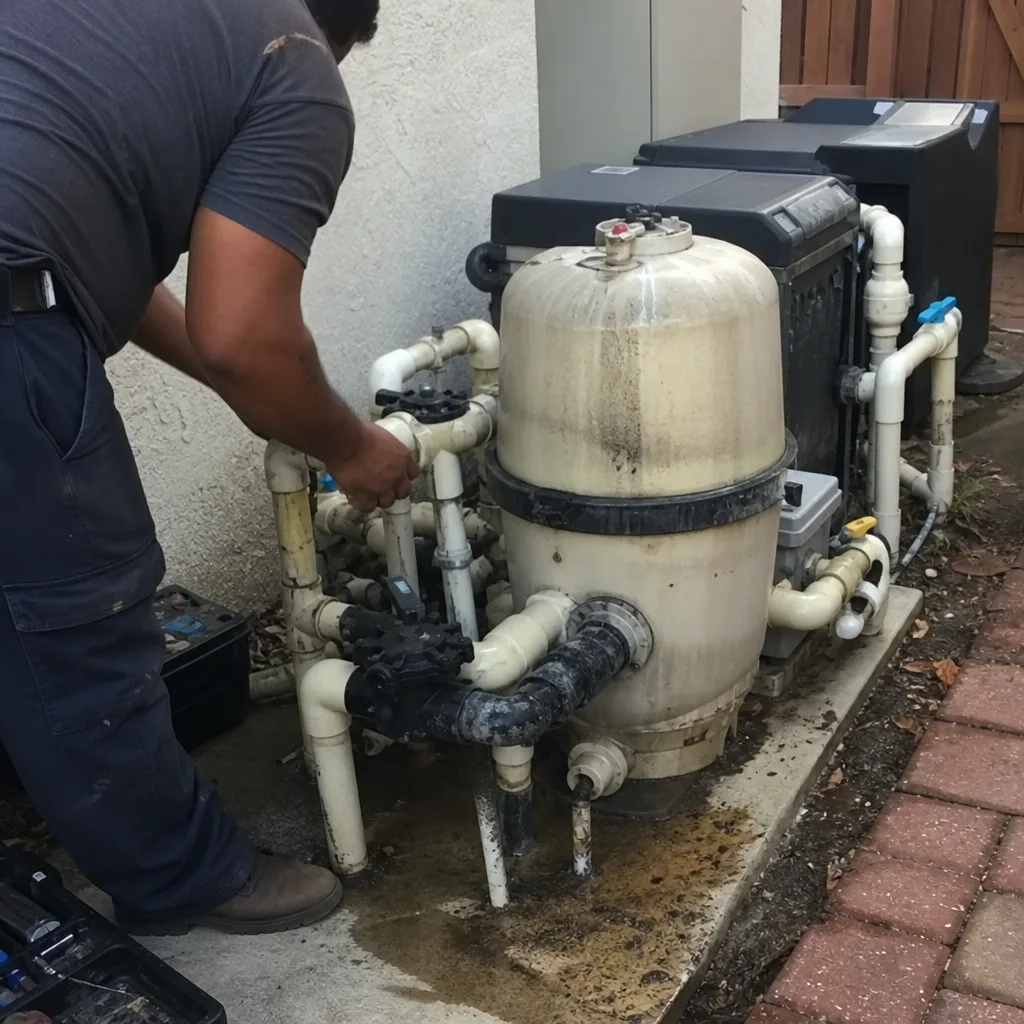 Before
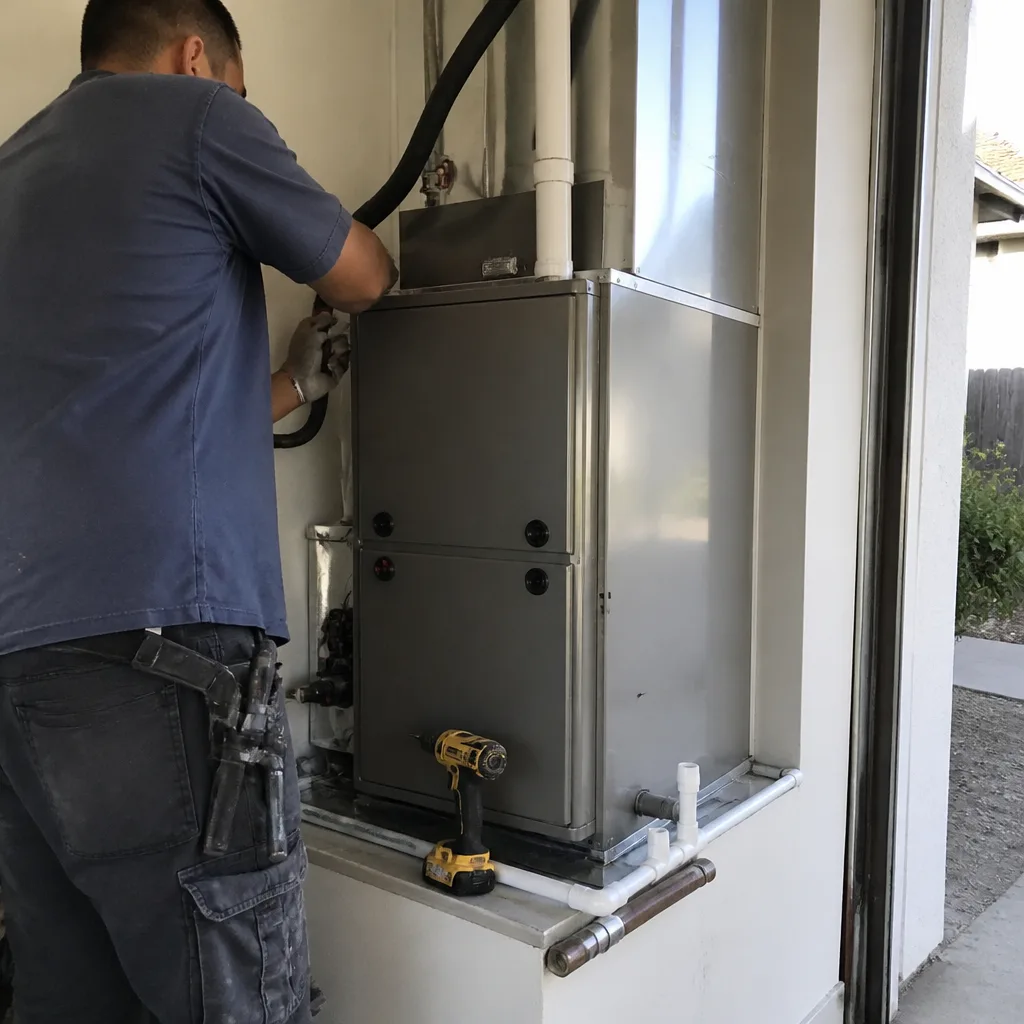 After
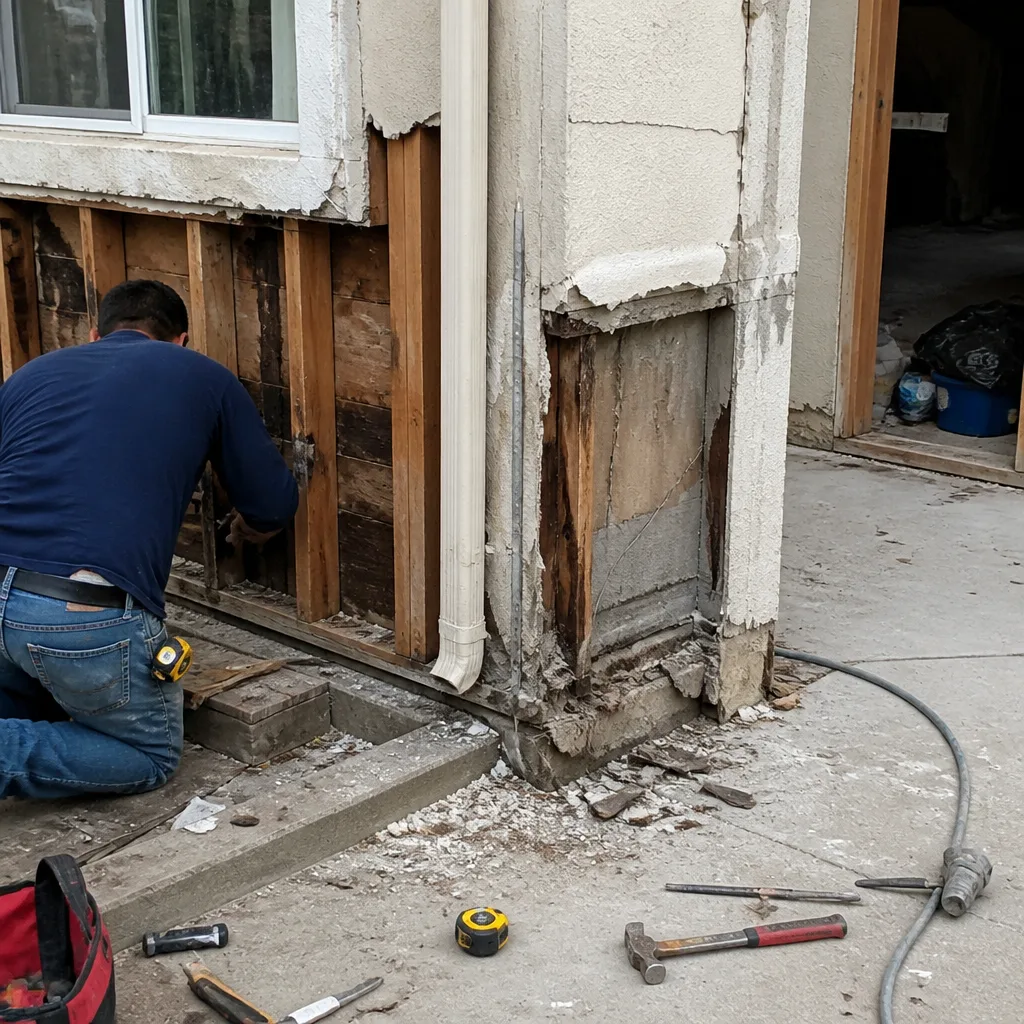 Before
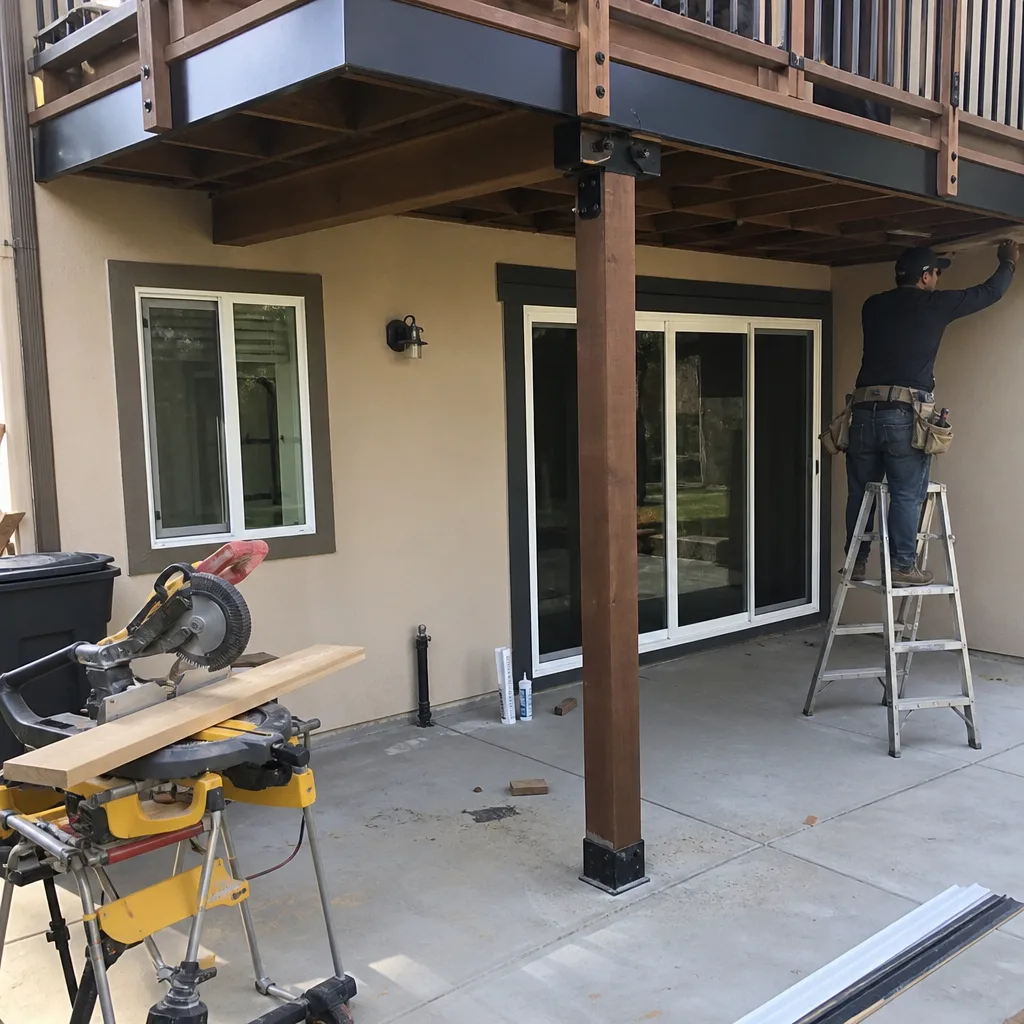 After
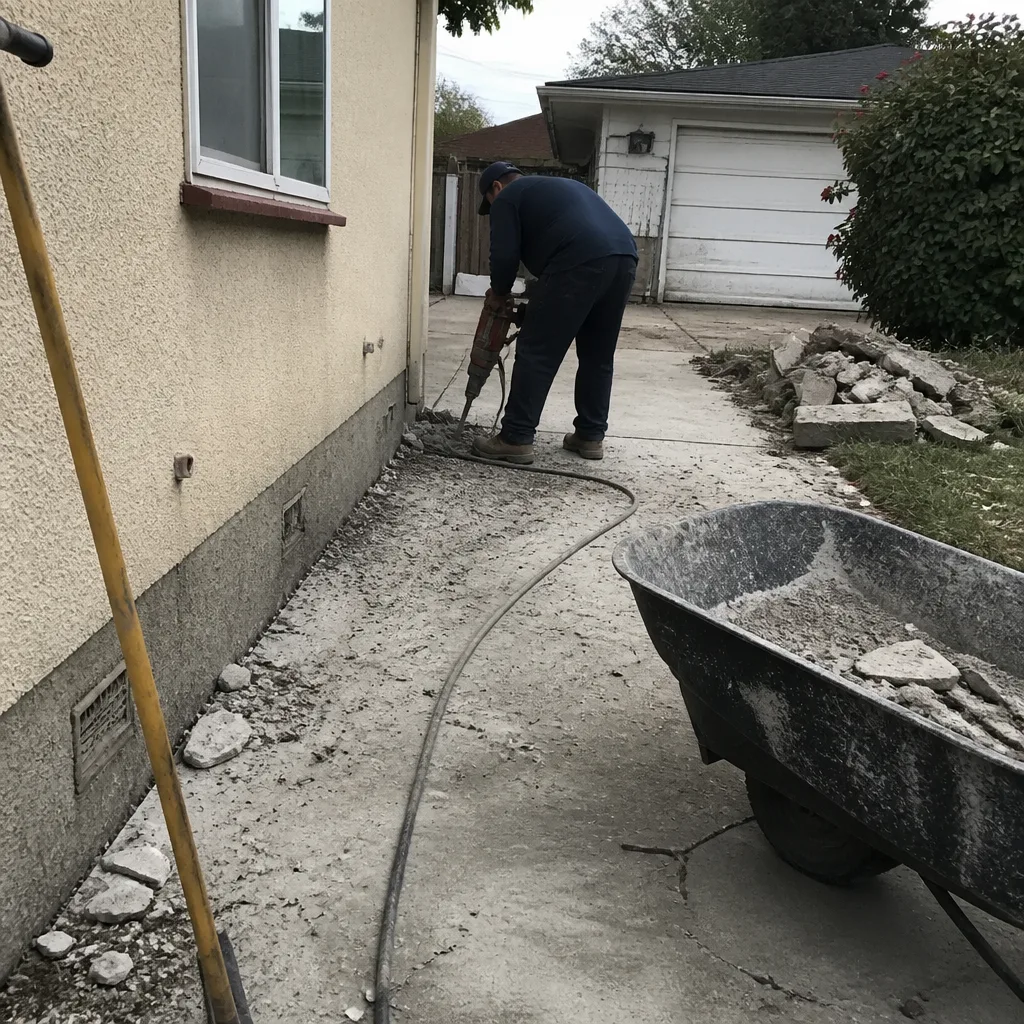 Before
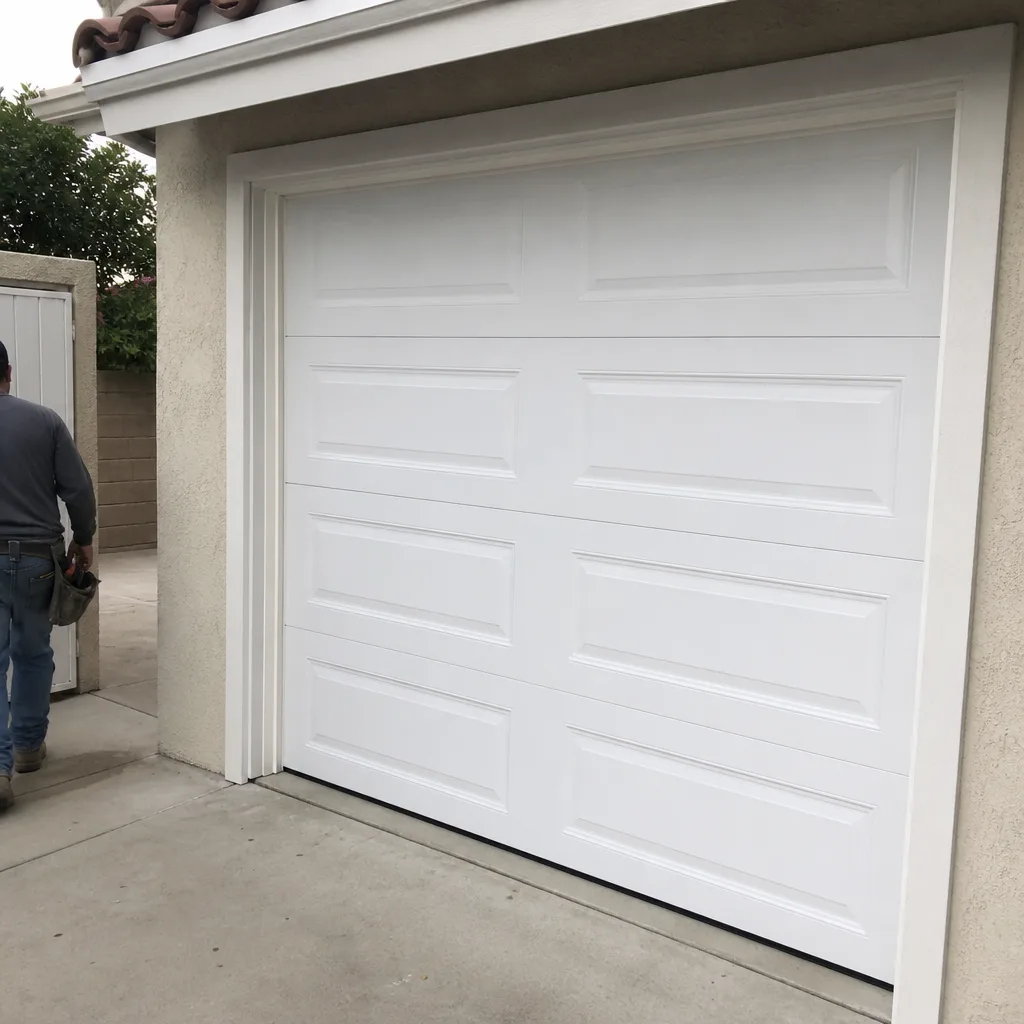 After