

Last updated October 31, 2026
 Home additions & ADU
 Kitchen remodeling
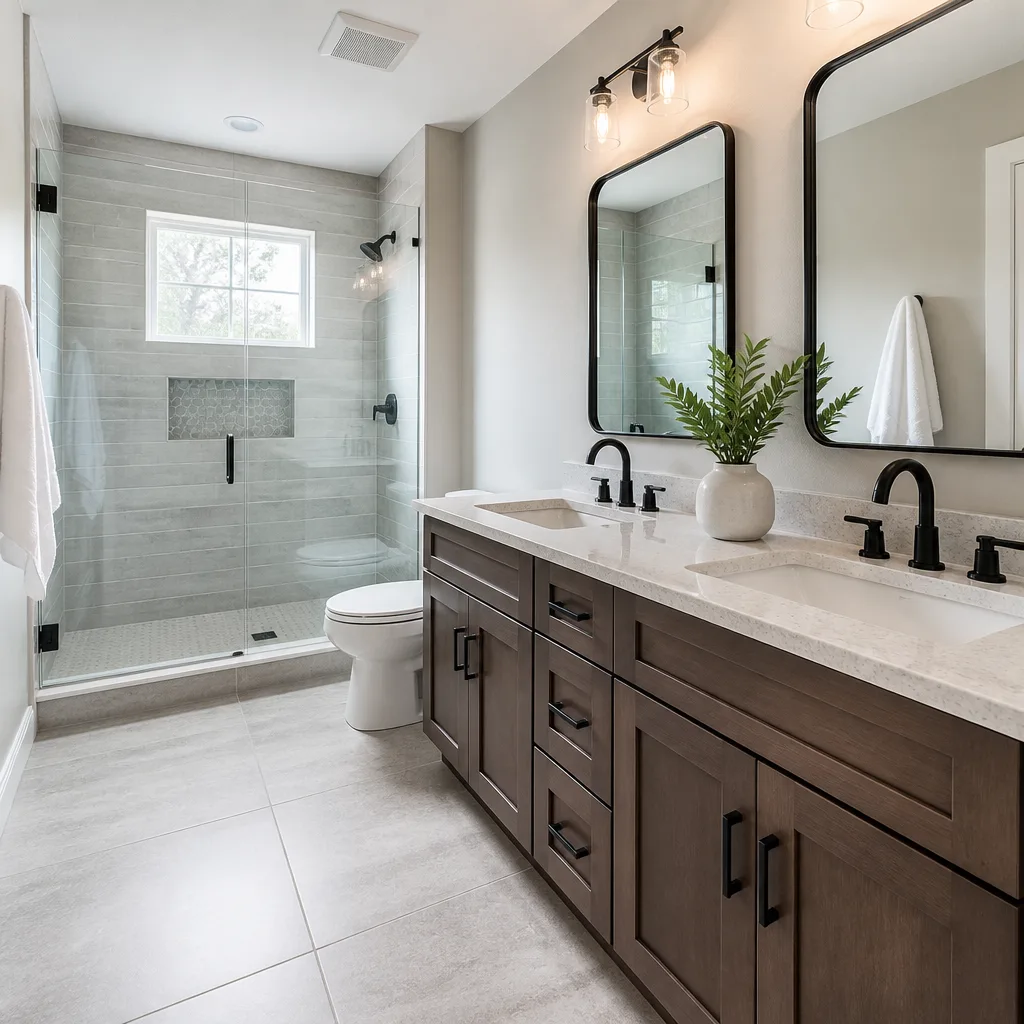 Bathroom remodeling
 Roofing
 Windows & doors
 Driveway & pavers
 Fence
Free written scope consultation - allowances, timeline, and change-order rules on paper before a single trade is scheduled
The Complete General Contractor Guide for Ontario Homeowners
California has 43 separate contractor license classifications. A “general contractor” holds just one of them: the Class B license. Yet most Ontario homeowners assume the person they hire to remodel a kitchen is legally authorized to do every single thing that happens on the jobsite. That assumption is where a surprising number of renovation projects quietly go sideways. This guide maps out what a general contractor in Ontario, CA is actually responsible for, what legally must be delegated to specialty subcontractors, and how San Bernardino County’s permitting environment shapes the process from demolition to final inspection. You will finish this page knowing more about contractor accountability than most people who hire one.
Styles & brands we work with
Quick Answer
A general contractor in Ontario, CA is a California Class B licensed professional who manages residential construction projects from permits through final inspection, legally authorized to coordinate and execute projects involving two or more unrelated trades. What most homeowners do not realize is that a Class B license does not authorize every trade on the jobsite – electrical, plumbing, HVAC, and roofing work over a certain size require separate C-class specialty licenses. Your GC’s job is to verify every sub carries valid insurance and licenses, manage the schedule, and hold liability for the finished product. Before you sign anything, check the CSLB database, confirm which trades will be subcontracted, and understand the lien waiver process.
Table of Contents
- What a Class B General Contractor License Actually Authorizes in California
- Self-Performing Trades vs. Subbing Everything Out: Why Your Warranty Chain Depends on the Difference
- How Ontario Permitting Works: City of Ontario vs. San Bernardino County Requirements
- How to Read a California-Compliant Construction Contract
- Preliminary Notices and Lien Waivers: The Paperwork That Protects Your Ontario Home
- Material Sourcing and Brand Decision-Making: Where Your Money Actually Goes
- Common Mistakes to Avoid
- When to Call a Professional
- Frequently Asked Questions
- The Bottom Line
What a Class B General Contractor License Actually Authorizes in California
The Class B General Building Contractor license is issued by the Contractors State License Board, known as the CSLB. It authorizes the holder to take on a project involving two or more unrelated building trades, which is the legal definition of general contracting work in this state. That is the key phrase: “two or more unrelated trades.” A single bathroom remodel that involves cabinetry installation, countertop fabrication, tile setting, plumbing fixture replacement, and lighting changes qualifies. A painting-only job does not.
In Ontario, most substantial remodels and additions fall under Class B scope. That includes whole-home renovations, kitchen remodels, bathroom remodels, room additions, and ADU construction. The GC is responsible for the overall project: permits, scheduling, coordination, site safety, and quality control across every trade that touches the jobsite.
But here is what the license does not allow, and this is the part most homeowners never think to ask about. The Class B license does not authorize the contractor to perform work that requires a specialty C-class license, unless the GC also holds that specific C-class license as an individual or has a qualified employee on payroll. In practice, this means the following trades almost always require licensed specialty subcontractors on an Ontario residential project: C-10 electrical, C-36 plumbing, C-20 HVAC work, C-54 tile setting over a certain value threshold, and C-39 roofing work when the roof system exceeds certain square footage.
What this means for you, the Ontario homeowner, is simple. A general contractor who tells you their own crew will handle every aspect of your project, including electrical panel work and gas line plumbing, is either holding multiple licenses or simplifying the truth. The CSLB database is public and searchable by name or license number. You can look up any contractor, any subcontractor, and see exactly what classifications they hold, when their license expires, whether they carry workers’ compensation insurance, and whether they have any active disciplinary actions. In our experience, the homeowners who check this database before signing a contract are rarely the ones dealing with mid-project surprises.
Self-Performing Trades vs. Subbing Everything Out: Why Your Warranty Chain Depends on the Difference
There are two basic operating models for general contractors in Ontario, and they are not created equal. The first model is the self-performing GC, who carries a Class B license and directly employs crews for certain core trades like framing, drywall, finish carpentry, and demolition, while subcontracting the specialty trades that require C-class licenses: electrical, plumbing, and HVAC. The second model is the paper-contractor, sometimes called a broker-GC, who holds a Class B license but subcontracts every single trade, including carpentry and general labor, to other companies.
The difference shows up most clearly in the warranty chain. When a general contractor self-performs a trade and something goes wrong six months after final payment, you call the GC. One phone number. When a broker-GC subs out every trade and a leak develops in the shower pan, you may find yourself navigating a conversation where the tiling contractor blames the plumbing sub, the plumbing sub blames the GC’s waterproofing, and the GC refers you to the tile contractor’s insurance provider.
Warranty responsibility in California flows through the contract chain. The GC is legally responsible to you, the homeowner, for the entirety of the work performed by subs they hired. That is not a courtesy; it is the structure of the contract. But the practical experience of collecting on that responsibility varies enormously based on who actually did the work. A homeowner who signed with a GC that self-performs structural work has a direct relationship with the people who measured, cut, and installed those components. A homeowner whose GC subbed everything to a rotating cast of companies is one step removed from every decision about quality.
At Workshop Contractors home, we structure our Ontario projects with a hybrid model: we carry in-house crews for the trades that define a project’s structural and finish quality, and we maintain long-standing relationships with licensed specialty subs for electrical, plumbing, and mechanical work. That way, when you call about an issue, you are calling the people who actually built it.
How Ontario Permitting Works: City of Ontario vs. San Bernardino County Requirements
Ontario sits in San Bernardino County, but the city operates its own Building Department and issues its own permits for residential construction. That jurisdiction layering trips up a surprising number of homeowners, especially those who move from unincorporated county areas or from neighboring cities with different submission requirements.
Here is how the two layers interact for a typical Ontario remodel. The City of Ontario Building Department reviews plans, issues permits, conducts inspections, and maintains the certificate of occupancy process. The city enforces the California Building Code with local amendments specific to Ontario: wind zone requirements that affect roofing details, energy compliance standards tied to the Title 24 process, and local parking and setback requirements that govern ADU placement. The San Bernardino County layer enters when the project has broader environmental or land-use implications: septic system modifications for properties not on municipal sewer, some grading and drainage work, and certain fire-safety requirements for homes in the county’s designated fire hazard zones.
For a standard kitchen remodel, bathroom renovation, or room addition in Ontario, you will almost certainly be dealing exclusively with the City of Ontario Building Department. For an ADU in Ontario, the city permit goes through a streamlined process defined by state ADU law, with plan check turnaround times governed by statutory limits, and any appeal process handled at the city level. The county enters only if the property has county-level conditions: flood zone issues, biologically sensitive areas, or zoning overlays that trigger county review.
What this means for you: before you sign a contract, ask the contractor to specify exactly which permits will be pulled and which agency will issue them. A competent Ontario GC knows the city’s plan check preferences, knows which projects trigger county-level review, and can give you a realistic permit timeline based on the current Building Department workload. We have seen Ontario permiting timelines shift seasonally, and we factor that into the project schedule from the first planning conversation rather than discovering it at demolition.
How to Read a California-Compliant Construction Contract
California takes residential construction contracts seriously, and the law is specific about what a valid home improvement contract must contain. Business and Professions Code §7159 governs home improvement contracts in California, and most of the requirements are there to protect you, the Ontario homeowner, from the most common contractor failures.
Here is what a legitimate California home improvement contract must include by law, and what each element tells you about the contractor who wrote it:
- The contractor’s CSLB license number. A legitimate Ontario GC will print it on the contract, on every page of the bid, and on any advertising they run. If the number is missing or the contractor hesitates to provide it, walk away.
- A detailed description of the work. Vague phrases like “new flooring” or “update bathroom” are red flags. A legitimate contract specifies materials, brands, quantities, and finishes. We specify material brands by name – James Hardie siding, Cambria counters, GAF roofing – so there is no ambiguity about what you are paying for.
- A payment schedule. California law caps the down payment for residential work at 10% of the project total or $1,000, whichever is less. Any contractor asking for more up front is violating state law. Payment schedules after deposit must reflect work completion milestones, not calendar dates.
- A schedule of progress payments. This should list what triggers the next payment: rough inspection passed, drywall complete, cabinets installed. Not “on the 15th of each month.”
- A notice of the right to cancel. California law gives homeowners three days to cancel a home improvement contract without penalty, unless the contract meets specific emergency criteria.
- A mechanics lien warning. The contract must include a notice explaining your rights relative to mechanics liens, in a specific font size, with specific language.
- The contractor’s bond information. California requires all licensed contractors to maintain a $25,000 bond. That bond number should appear on the contract.
Contracts from Ontario GCs should also reference the city’s permitting requirements and inspection schedule. A contractor who writes “permits by owner” into the contract is shifting legal responsibility for code compliance onto you, which is a position you do not want as a homeowner. The permit application should be the contractor’s job. The inspection scheduling should be the contractor’s job. The correction of any failed inspection items should be the contractor’s job. If the contract does not clearly assign those responsibilities to the GC, those responsibilities will default to you.
Preliminary Notices and Lien Waivers: The Paperwork That Protects Your Ontario Home
Here is a scenario we see too often in Ontario. A homeowner hires a GC, pays the invoices as they come due, completes the project, and closes the file. Eight months later, a letter arrives from a collection attorney representing a subcontractor who claims they were never paid for work on the property. The mechanic’s lien has been filed. The homeowner is now legally entangled in a dispute they had no involvement in, because the GC who collected the payments did not properly pay the subs who did the work.
California’s mechanics lien system is one of the strongest in the country, and it does not care whether you paid your contractor. It cares whether everyone who provided labor or materials to your property got paid. The two tools that protect you are preliminary notices and lien waivers, and understanding both before you sign a contract is more valuable than any finish selection you will make.
A preliminary notice is a document that subcontractors and material suppliers must file with you, the property owner, within 20 days of first providing labor or materials to your property. The notice tells you who is working on your property and what they are owed. If a sub or supplier does not file a preliminary notice, they lose their right to file a lien. If they do file one, you now have a checklist of everyone who must be paid before you release final payment to the GC.
A lien waiver is a legal release that the sub or supplier signs when they receive payment, acknowledging that they have been paid and waiving their right to file a lien for the amount indicated. There are conditional waivers, which become effective when the payment clears, and unconditional waivers, which become effective immediately upon signing. A legitimate contractor collects these from every sub and supplier for every payment cycle and provides them to the homeowner before each progress payment is released.
In our Ontario projects, the lien waiver process is not a courtesy; it is part of the contract structure. Every payment draw includes a packet of waivers from every sub and supplier who has been paid from the previous draw. That process is the only reason a homeowner can sleep during construction: you know exactly where the money went, and you know no lien can land on your property afterward. Any GC who resists providing lien waivers should not be handling your money.
Material Sourcing and Brand Decision-Making: Where Your Money Actually Goes
A significant portion of a renovation budget goes to materials, and most Ontario homeowners do not realize how much the material selection conversation drives the final cost, the construction schedule, and the finished quality. A contractor who sources materials thoughtfully is managing your money differently than one who sends you to a big-box retailer with a parts list.
Here is a concrete example from a typical Ontario kitchen remodel. Countertop materials alone can range from $45 per square foot for a basic quartz from a commodity supplier to $125 per square foot for Cambria, Caesarstone, or Silestone. Cabinet boxes can run from $8,000 for stock KraftMaid and Wellborn lines to $25,000 for custom configurations in premium finishes. Fixtures from Kohler and Grohe carry different supply-chain characteristics than plumbing-house generics, including parts availability five years down the road when a cartridge starts leaking. All of these decisions interact: the sink style affects the countertop fabrication, the countertop material affects the cabinet layout, and the cabinet depth determines whether the faucet placement works.
Where a GC sources those materials matters more than most homeowners recognize. When we source James Hardie siding for an Ontario exterior renovation, we are working with a product whose warranty terms we know intimately, whose installation requirements we have trained crews on, and whose channel we have a working relationship with. The same applies to the fencing products from Barrette and Master Halco that we specify for Ontario yards: we know how these systems perform in the Inland Empire’s heat and wind conditions, we know which warranty claims get honored, and we know who to call when a panel arrives damaged.
What does not work is having a homeowner source materials from six different retailers and three different online vendors, then expecting a GC to warranty the installation. The moment a material failure happens and the GC cannot establish chain of custody from an approved vendor, your warranty conversation becomes a phone tree. One of the core reasons to hire a single-source general contractor in Ontario is that the material decisions, the material sourcing, and the material installation all sit under one contract. One contractor. Every trade. One throat to choke, as the saying goes.
Common Mistakes to Avoid
- Assuming the GC license covers every trade. California’s Class B license authorizes general contracting, not electrical, plumbing, or mechanical work. On an Ontario project, those trades require C-class specialty contractors. Verify every license on the CSLB database before work starts.
- Signing a contract without a lien waiver process. Paying the GC is not the same as paying the subs, and unpaid subs can file liens against your Ontario property even after you have paid in full. A legitimate contract specifies how waivers are collected.
- Accepting a down payment above the legal cap. California caps residential down payments at 10% or $1,000, whichever is less. Any contractor asking for more before work begins is either unaware of the law or indifferent to it, and either is disqualifying.
- Choosing the lowest bid without comparing the scope line-by-line. Three Ontario GCs bidding on the same kitchen remodel will define the scope differently. One bid includes permit fees, one does not. One includes tile installation, one makes it an “upgrade.” A bid with a drastically lower number usually has a drastically thinner scope attached.
- Skipping the CSLB license check. It takes two minutes and it surfaces disciplinary actions, expired bonds, missing workers’ comp coverage, and license classifications. In Ontario, a few minutes of diligence on the front end prevents months of problems on the back end.
- Paying for work not completed before the next payment is due. The schedule of progress payments should reflect milestones, not dates. Pay when the work is actually done, and withhold final payment until every punch-list item and lien waiver is in hand.
- Ignoring the city’s permit requirements. The City of Ontario Building Department has its own submission preferences, plan check priorities, and inspection scheduling realities. A general contractor who does not know the Ontario permit process is learning it on your project, and that education will be billed in time and frustration.
When to Call a Professional
Any residential project in Ontario that touches structural components, plumbing, electrical, or roofing should involve a licensed professional from the first planning conversation. That includes kitchen and bathroom remodels, whole-home renovations, room additions, ADU construction, window and door replacement, and any exterior envelope work. The question is not whether you can watch a video and attempt it yourself; the question is whether you are comfortable carrying the code-compliance liability, the permit liability, and the safety risk if something goes sideways.
An Ontario homeowner planning a renovation with a budget over $25,000 should be talking to a general contractor before they start pulling finishes off Pinterest. The scope conversation changes the design conversation changes the budget conversation, and going in the wrong order means paying for design work that cannot be built for the number in your head. Workshop Contractors offers free estimates in Ontario – call (844) 384-3361 and we will come out, look at the property, and give you an honest read on the scope and the range before you spend a dollar on design.
Frequently Asked Questions
Our General Contractor services in Ontario typically range from 15% to 25% of the total project cost for management and overhead, depending on project size and complexity. Smaller projects tend to carry a higher percentage because the fixed costs such as permits, insurance, and project management time do not shrink proportionally. Call (844) 384-3361 for a free estimate and we will give you a specific range for your scope.
Any kitchen remodel in Ontario that involves plumbing fixture relocation, electrical circuit changes, or structural wall modification requires a permit from the City of Ontario Building Department. A cosmetic update with new cabinet doors, countertops, and paint may not require a permit, but even then, the plumbing fixture swap often does. A licensed Ontario GC will tell you which scope triggers which permits before you sign.
Go to the CSLB license lookup tool at cslb.ca.gov, enter the contractor’s name or license number, and review the license classifications, bond status, workers’ compensation coverage, and any disciplinary actions. The lookup takes two minutes and reveals whether the license is active, suspended, or expired. For more guides & resources on vetting contractors, see our blog. Every legitimate contractor in Ontario expects this check and encourages it.
A mechanics lien is a legal claim against your property filed by an unpaid subcontractor or material supplier who performed work on your home, and it can be filed even if you paid the general contractor in full. The prevention is a documented lien waiver process built into the contract: every payment draw is accompanied by conditional or unconditional waivers from every sub and supplier involved. Any Ontario GC who cannot produce lien waivers from past projects should not be trusted with your money.
A kitchen remodel in Ontario typically runs 8-12 weeks from demolition to final inspection, depending on the scope, the permit timeline, and material lead times—see Construction Cost Breakdown: The Ontario Homeowner’s Reference for 2026 for typical budget ranges. A whole-home renovation runs 4-8 months, and an ADU construction project typically runs 5-9 months from permit submission through final inspection. The city’s plan check workload and any county-level review add time that no contractor can eliminate, and a good GC builds that into the schedule from the start.
A general contractor executes the design that has already been created, managing permits, trades, schedule, and budget around a set of plans. A design-build firm provides design services and construction under one contract, which can streamline projects where the scope is not yet fully defined. In Ontario, both models exist, and the right choice depends on how far along the design is when you start: if you have architect-drawn plans, hire a GC; if you have a vision and a rough sketch, a design-build relationship can move faster. Read The Complete Guide to Construction in Ontario to learn more. Call (844) 384-3361 to talk about which path fits your project.
The Bottom Line
Hiring a general contractor in Ontario, CA is a legal transaction governed by specific state requirements that exist to protect you from the most common renovation failures. The Class B license defines what your contractor can legally do; the specialty C-class licenses define what must be subbed out; the lien waiver process determines whether you sleep well after final payment; and the contract structure determines who is responsible when something does not work. If you are planning a significant renovation, addition, or ADU on your Ontario property, call (844) 384-3361 to schedule a free estimate and get an honest read on the scope before you spend a dollar on design.
Written by the team at Workshop Contractors, serving Ontario and the surrounding communities since 2011. We are a licensed general contractor providing home remodeling in Woodcrest, home renovation in Woodcrest, and general contracting in Woodcrest, with full scope services for kitchens, bathrooms, exteriors, hardscaping, fencing, and ADU additions. One contractor. Every trade.
See the difference
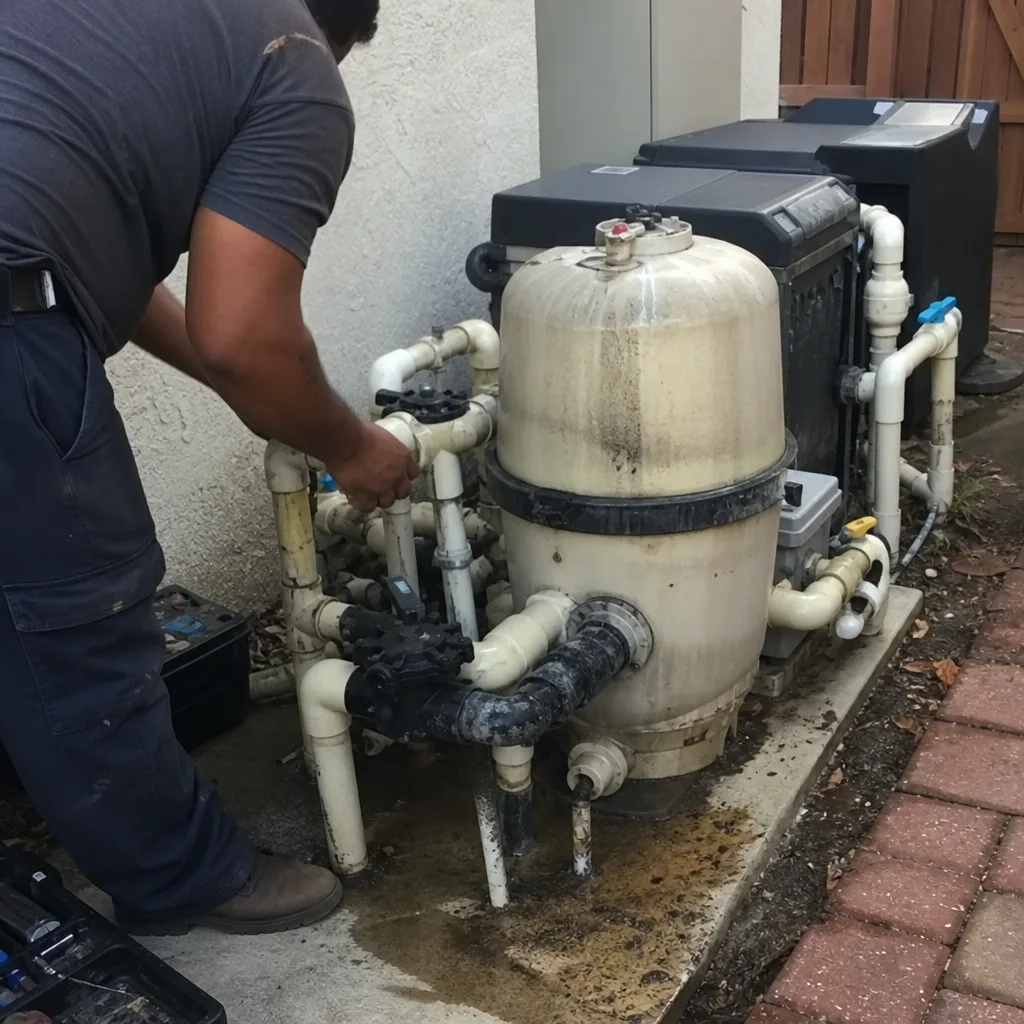 Before
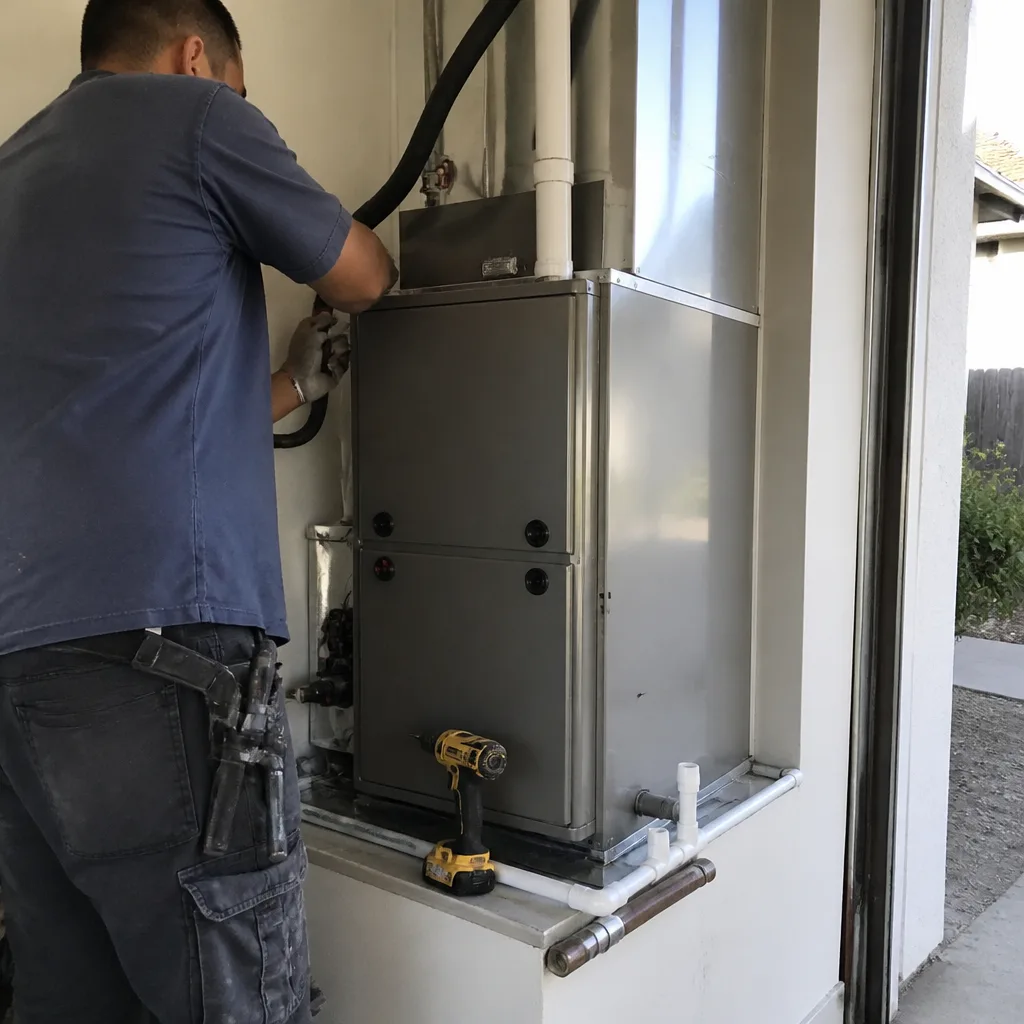 After
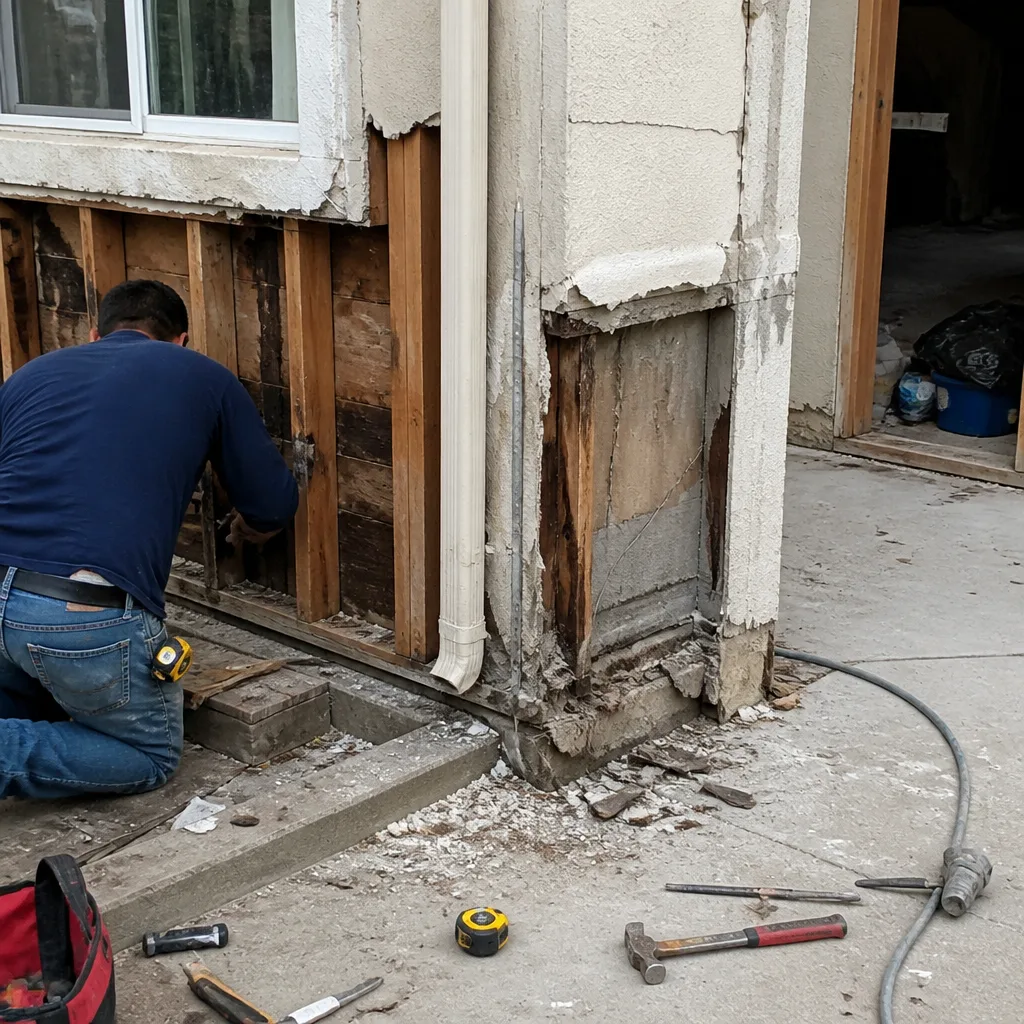 Before
 After
 Before
 After