

Last updated October 31, 2026
 Home additions & ADU
 Kitchen remodeling
 Bathroom remodeling
 Roofing
 Windows & doors
 Driveway & pavers
 Fence
Free written scope consultation - allowances, timeline, and change-order rules on paper before a single trade is scheduled
Seasonal Construction Care for Ontario: Year-Round Homeowner’s Guide
Ontario averages over 280 sunny days a year, which sounds like low maintenance, but sustained UV exposure plus Santa Ana-driven pressure changes put more stress on exterior building materials here than in many harsher-seeming climates. Most seasonal maintenance guides are written for places with snow, ice dams, and spring thaws, unlike our The Complete Guide to Construction in Ontario. Ontario doesn’t play by those rules. This guide walks through the four real maintenance windows we deal with in Ontario: pre-Santa Ana season, summer heat, the short wet season, and the dry transition months. What you’ll learn here can save you thousands in preventable exterior repairs and help you time upgrades so they actually last.
Styles & brands we work with
Quick Answer
Seasonal construction care in Ontario, CA means working around four distinct windows driven by Santa Ana winds, summer heat, the brief winter wet season, and the dry spring transition. The highest-risk period is December through February, when homes with deferred exterior maintenance see water intrusion; the most important prep window is September and October, before high-wind season arrives. A rolling 12-month maintenance log keyed to these windows is the single best tool for preventing costly repairs and giving any general contractor an accurate read on your home’s condition.
Table of Contents
- The Pre-Santa Ana Checklist: September-October
- Summer Heat Prep: May-June
- The Wet Season Window: December-February
- Spring Transition Tasks: March-April
- How to Build a Rolling 12-Month Maintenance Log
- Material Decisions That Reduce Seasonal Maintenance
- Common Mistakes to Avoid
- When to Call a Professional
- Frequently Asked Questions
- The Bottom Line
The Pre-Santa Ana Checklist: September-October
Santa Ana season in Ontario typically runs from October through March, with peak intensity between late November and February. These winds aren’t just strong; they’re dry, which means they pull moisture out of wood, caulk, and sealants while also driving dust and debris into every gap. The pressure differentials created by sustained 40 to 60 mph gusts put legitimate structural stress on roofs, fences, and window seals. We’ve seen fascia boards torn loose, fence posts snapped at the base, and patio covers lifted clean off their anchors, all during a single Santa Ana event that homeowners dismissed as “just wind.”
The problem is that most homeowners don’t think about Santa Ana season until the first big event hits. By then, it’s too late to fix the underlying issues. The prep window is September and October, when temperatures are moderate enough for caulk and sealant to cure properly and when you still have time to schedule repairs before the wind arrives.
- Inspect and reseal exterior caulk and sealant. Walk the perimeter of your home and check every joint: window frames, door frames, trim transitions, and the gap where siding meets foundation. In Ontario’s dry heat, acrylic latex caulk typically fails within 3 to 5 years. If you can press a fingernail into it and it stays indented, it’s lost its elasticity. Cut it out and replace it with a high-quality urethane or hybrid sealant. Pay special attention to the north and east faces of the home; those get less sun but take the brunt of Santa Ana wind-driven grit.
- Secure or remove loose yard items. Patio furniture, potted plants, lightweight decor, and even garbage bins become projectiles in 50 mph gusts. We’ve seen a single unsecured patio umbrella shatter a window and take out a section of stucco. Walk your yard with a critical eye. Anything that weighs less than 20 pounds and can catch wind needs to be anchored, stored, or moved against a wall.
- Check fence line integrity. Ontario neighborhoods with wood fencing, especially older cedar and redwood, are particularly vulnerable during Santa Ana season. Look for posts that wiggle when pushed, rails that have pulled away from posts, and any section that leans more than a few degrees. A fence that survives a normal day can fail catastrophically when hit by sustained lateral wind load. If you have vinyl or aluminum fencing from manufacturers like Ameristar or Jerith, check the post caps and any gate hardware for looseness.
- Inspect roof edges and flashing. Santa Ana winds exploit any loose shingle or lifted flashing. Walk around your home and visually inspect the roof line from the ground. Look for shingles that appear raised, missing granules accumulating in gutters, or exposed nail heads on flashing. In Ontario, roofing from manufacturers like GAF and CertainTeed holds up well, but even the best installation ages. If you see anything questionable, have it checked before the first wind event.
- Clean gutters and downspouts. This matters for two reasons. First, Santa Ana winds will fill clogged gutters with dry debris that becomes a fire hazard. Second, when the wet season arrives in December, those same clogged gutters overflow and saturate the soil around your foundation. In Ontario’s compacted clay-heavy soils, that saturation leads to expansion and contraction cycles that crack slab foundations over time.
- Test windows and doors for air seal. On a windy day in October, walk the interior perimeter of your home and feel for drafts. Air infiltration during Santa Ana season isn’t just an energy problem; it’s a dust problem. Homes in Ontario that haven’t been resealed can accumulate a fine layer of airborne grit inside during every wind event. If you have older single-pane windows, consider whether replacement with impact-rated options from manufacturers like PGT or CGI makes sense before the season fully arrives.
This September-October window is the most critical seasonal maintenance period in Ontario. Skip it, and you’re rolling the dice on every subsequent Santa Ana event for the next five months. Do it thoroughly, and the rest of the year becomes dramatically easier to manage.
Summer Heat Prep: May-June
Ontario’s summer heat is relentless. From June through September, daytime highs routinely exceed 95°F, and heat waves push temperatures past 105°F for days at a time. That sustained heat does specific, predictable damage to exterior materials: it bakes sealants until they crack, fades and chalks paint, warps exposed wood, and forces HVAC systems to run continuously. The prep window is May and early June, before the first serious heat wave arrives.
What to address before the heat peaks:
- Exterior paint and caulk inspection. Check south-facing and west-facing walls, which absorb the most direct solar radiation. Look for paint that’s chalking (runs white when you rub it with your hand), bubbling, or peeling at the edges. In Ontario’s UV environment, exterior paint typically lasts 5 to 7 years on shaded walls and 3 to 5 years on full-sun exposure. If you’re getting close to those numbers, plan repainting for the fall or spring, not mid-summer.
- Radiant barrier and attic ventilation check. If your home has a radiant barrier in the attic, now is the time to verify it’s still performing. Radiant barriers lose effectiveness when they accumulate dust, which in Ontario’s dry, windy conditions happens faster than in coastal areas. Check attic ventilation too. A properly vented attic in Ontario should be within 10 to 15 degrees of outside air temperature. If it’s significantly hotter, you have a ventilation problem that’s driving up cooling costs and shortening the life of your roof decking.
- HVAC filter replacement cycle. During Ontario summers, HVAC systems run 12 to 18 hours a day. Standard filters need replacing every 30 days under that load, not the 90 days most manufacturers suggest for average use. Set a calendar reminder. A clogged filter reduces airflow, forces the system to work harder, and can cause the evaporator coil to freeze, which leads to water damage inside the home.
- Window and door weatherstripping. Heat infiltration through gaps around windows and doors is a major cooling-load contributor in Ontario homes built before 2000. Check weatherstripping for compression set, cracking, or gaps. Replace anything that’s more than 5 years old. This is a $50 job that can reduce cooling costs by 5 to 10 percent over a single Ontario summer.
- Hardscape and paver inspection. Ontario’s summer heat causes paver joints to expand and sand to shift. If you have a paver patio, walkway, or driveway, check for pavers that have shifted or sunk more than a quarter inch. Summer is the right time to repair these; the heat helps polymeric sand cure, and you’ll want the hardscape solid before winter rains create drainage problems.
One mistake we see repeatedly in Ontario: homeowners wait until the heat arrives to discover their cooling system is struggling, their windows are leaking air, and their exterior caulk has failed. By then, you’re paying peak-season rates for repairs and living with the discomfort while you wait. The May-June window is short, but it’s the difference between a comfortable summer and a miserable one.
The Wet Season Window: December-February
Ontario’s wet season is short, typically running from December through February, with occasional storms in March. Annual rainfall averages around 15 to 20 inches, which sounds modest, but the concentrated nature of the rain matters. When storms hit, they can dump several inches in a matter of hours. A home with deferred exterior maintenance that survived Santa Ana season unscathed will often fail during these concentrated downpours. This is the highest-risk period of the year for water intrusion in Ontario homes.
Why? Because the damage mechanisms compound. Santa Ana winds open small gaps in flashing, sealants, and roof edges. Then the rains arrive and drive water into those same gaps under pressure. A pinhole leak in October becomes a ceiling stain in January. A hairline crack in stucco becomes a saturated wall cavity. The water doesn’t care that it only rains 30 days a year. It only needs one path in.
December is too late for most fixes. What you can still do:
- Inspect the roof before the first major storm. In December, before heavy rain starts, do a ground-level visual inspection. Look for lifted shingles, damaged flashing at chimneys and vents, and any area where water can pool. If you have a flat or low-slope roof section, check for standing water after the first light rain; that’s a sign of drainage failure that will worsen with each storm.
- Clear gutters and downspouts after leaf drop. Ontario has a mix of deciduous trees that drop leaves from November through January. If your gutters are full when a storm hits, overflow water cascades down the siding and saturates the foundation perimeter. Walk the exterior during the first rain of the season and watch where water goes. If you see overflow, fix it before the next storm.
- Check interior walls and ceilings after each significant storm. Water intrusion often shows up as a subtle discoloration, a soft spot in drywall, or a musty odor before it becomes an obvious leak. Check the ceiling under the roof line, the walls below windows, and any area where two roof planes meet. Early detection in Ontario is the difference between a patch job and a full mold remediation.
- Monitor foundation drainage. During a storm, walk around your home and verify that water flows away from the foundation on all sides. In Ontario’s flat terrain, many homes have inadequate grading. Soil should slope at least 6 inches over the first 10 feet from the foundation. If water pools against the slab, you’ll see symptoms within a few years: cracks in interior walls near the corners, doors that stick seasonally, or a persistent damp smell in crawl spaces.
- Document everything for your maintenance log. Write down what you see during each storm event, where water pools, and any changes in the home’s condition. This record becomes invaluable when you eventually bring in a contractor. It tells them where to look and what’s been happening seasonally.
If your home survived the previous December without water intrusion, that’s not evidence that you don’t need to maintain it. Deferred maintenance compounds. Water finds the gaps that Santa Ana winds have been widening for years. The wet season is when those gaps reveal themselves.
Spring Transition Tasks: March-April
The March-April window in Ontario is the most skipped maintenance period of the year, and it’s the one that sets up your summer and fall. After the wet season ends and before the heat ramps up, there’s a narrow stretch of mild weather that’s ideal for exterior repairs. But because the home isn’t actively failing, most homeowners move on to other priorities. Six months later, they’re paying for it.
What to do in the spring transition:
- Reset exterior sealant and paint. The wet season is hard on sealants, especially in areas that saw repeated wet-dry cycles. Walk the perimeter again and check caulk joints that looked fine in September. Winter rain has a way of finding weaknesses. Spring is also the right time to schedule exterior repainting if you noticed chalking or peeling during summer heat prep. Paint applied in March or April cures properly before June heat arrives.
- Address wet-season damage before UV stress resumes. Any crack, gap, or failed sealant that opened during winter will be baked by summer sun, which makes it worse. A small crack in stucco that fills with rain in February will widen through expansion and contraction in March and April, then bake open in July. The spring transition is your last chance for cheap fixes before the damage compounds.
- Inspect and clean hardscape joints. Winter rain washes sand out of paver joints and can cause minor settling. Spring is the time to refill those joints with polymeric sand before summer heat hardens the joints and makes repair more difficult. Check for drainage patterns that emerged during wet season; any area where water pooled needs grading correction before the next winter.
- Reset your fence and gate hardware. Wood expands in winter moisture and contracts in summer heat. Check fence gates, especially metal-framed gates from manufacturers like Jerith or Ameristar; winter moisture may have caused posts to shift or hardware to loosen. Adjust gate hinges and latches now, while the weather is mild and the ground is workable.
- Check windows for seal failure. Dual-pane windows that developed seal failure over winter will show condensation between the panes during temperature swings. Walk the interior on a warm March morning and check every window. Failed seals mean lost insulation value; in Ontario’s summer, that translates to higher cooling costs and comfort problems in rooms with west or south exposure.
We schedule more exterior repair work in March and April than any other time of year in Ontario. Homeowners who catch issues during this window get them resolved before the summer heat and before the next Santa Ana season. Homeowners who skip it end up on our schedule in October, with a bigger problem and a shorter clock.
How to Build a Rolling 12-Month Maintenance Log
A rolling 12-month maintenance log is the single best tool for managing a home in Ontario, as we explain in Choosing the Right Construction Brand: A Buyer’s Guide for Ontario. Not because it makes you more organized, though it does. Because it creates a factual record of your home’s condition over time, which is invaluable when you need to assess whether a problem is new, worsening, or stable. Most homeowners track maintenance mentally, which means they forget the small things that turn into big things. A written log changes that.
What to track:
- Every maintenance task, with date and details. What you did, when you did it, what products you used, and any observations. “Replaced caulk along east windows, noticed hairline crack in stucco near garage door” is more useful in six months than “fixed some caulk.”
- Weather events and their impact. After each significant Santa Ana event or rainstorm, note the date and what you observed. Did you see water pooling anywhere? Did the fence move? Did any doors or windows start sticking? These observations over time reveal patterns that no professional inspection can.
- Seasonal observations. At the end of each maintenance window, write a brief note: what looked good, what looked questionable, and what you’re watching. These quarterly snapshots become your baseline for the next year.
- Contractor visits and their findings. Every time a technician, inspector, or contractor visits, record what they found and what they recommended. Even if you don’t act on it immediately, having the record means you can revisit it when the time is right.
Why this matters when you bring in a general contractor:
When we walk into a home in Ontario for a home remodeling consultation, the first thing we ask is what the homeowner has observed about how the house behaves. Which rooms get hot first in summer? Where does water pool during winter storms? Have you noticed any cracks widening? Homeowners who keep a maintenance log can answer those questions with specifics. Homeowners who don’t keep a log answer with generalities, which means we have to spend more time investigating and less time solving.
A maintenance log also protects you from unnecessary work. If you can show us that a crack has been stable for three years, we’re not going to recommend an expensive structural fix. If you can show us that a window has been leaking air for two years despite multiple re-caulks, we can make a case for replacement rather than another patch. The log turns your intuition into data.
Material Decisions That Reduce Seasonal Maintenance
Every exterior material on your home has a seasonal maintenance cycle. Some require annual attention; others can go a decade or more with minimal upkeep. In Ontario’s specific climate, the right material choices can eliminate entire maintenance tasks from your seasonal checklist. The wrong ones can add recurring expense and hassle year after year.
Take siding. Traditional wood siding in Ontario requires repainting every 3 to 5 years on sun-facing walls, frequent caulk maintenance, and periodic repairs for warping and splitting. Fiber cement siding from James Hardie, by contrast, holds its finish for 15 to 20 years and doesn’t warp, crack, or get eaten by termites. The upfront cost is higher, but the seasonal maintenance burden drops to nearly zero. When we discuss general contracting work in Woodcrest and surrounding Ontario neighborhoods, this trade-off conversation comes up constantly.
The same principle applies to roofing. Traditional asphalt shingles from manufacturers like GAF and CertainTeed perform well in Ontario’s climate but may need replacement after 20 to 25 years of sustained UV exposure. Concrete or clay tile roofing from Boral can last 50 years or more with minimal maintenance, though the upfront cost is significantly higher. Neither is inherently better; the right answer depends on how long you plan to stay in the home and how much you value eliminating future maintenance windows.
For fencing, the choice between wood and metal has clear seasonal implications. Wood fencing is the most common in Ontario’s older neighborhoods, but it requires staining every 2 to 3 years, regular post inspection, and eventual replacement of rotted sections. Steel or aluminum fencing from Ameristar or Jerith eliminates painting and staining entirely, though it comes with a different aesthetic and a higher material cost. In wind-prone areas of Ontario, metal fencing also resists Santa Ana damage better than wood, which is a maintenance consideration most homeowners don’t factor in until after a fence section blows over.
For windows, the seasonal stakes are highest. Older single-pane windows in Ontario leak conditioned air year-round, fail to block UV radiation that fades flooring and furniture, and deteriorate faster because the frames expand and contract with temperature swings. Impact-rated windows from manufacturers like PGT or CGI solve all three problems simultaneously. They’re built for hurricane-force wind resistance, which means Santa Ana events in Ontario barely register. The seal construction is superior, which eliminates the seasonal re-caulking cycle. And they block significantly more UV radiation, which protects interior finishes and materials.
None of this means you should replace every exterior material immediately. It means that when a material reaches the end of its useful life, you should think about the seasonal maintenance implications of the replacement. Choosing a material that eliminates annual maintenance tasks saves money over time, even if the upfront cost is higher. This is the conversation we have with every home renovation in Woodcrest client before a project starts.
Common Mistakes to Avoid
- Skipping the September-October prep window. Homeowners who ignore Santa Ana prep until the first big wind event are already too late. By the time winds hit 50 mph, the gaps, loose flashing, and insecure fence posts have already been sitting vulnerable for months. Fixing them in October costs a few hundred dollars. Fixing the damage in December costs thousands.
- Treating Ontario’s low annual rainfall as a license to defer exterior maintenance. Yes, it only rains 30 days a year. But those 30 days are concentrated, and they follow months of Santa Ana wind damage. The combination is more destructive than a steady rainfall climate because the gaps are already opened before the rain arrives.
- Using interior latex caulk for exterior applications. We see this constantly in Ontario. Homeowners grab whatever caulk is on the shelf at the hardware store and use it outside. Interior latex caulk breaks down within 12 to 18 months of UV and heat exposure, leaving gaps that become water intrusion points. Exterior work requires exterior-rated sealant, full stop.
- Ignoring hairline cracks in stucco. In Ontario’s clay-heavy soils, small stucco cracks are common and often harmless. But they also widen over time and become water entry points. A crack wider than 1/16 inch, or any crack that changes size seasonally, deserves professional attention before it becomes an expensive repair.
- Pressure washing without inspecting first. Pressure washing is great for removing accumulated grime, but it can also force water into gaps, cracks, and damaged sealants, accelerating deterioration. In Ontario’s dry climate, wetting the exterior during the wrong season creates unnecessary moisture cycling. Always inspect and repair before pressure washing, not after.
- Replacing materials without considering Ontario’s climate. What works in a coastal California city doesn’t necessarily work in Ontario. Materials chosen for salt-air resistance don’t automatically handle sustained dry heat and Santa Ana grit. The reverse applies too. Choose materials based on Ontario’s actual seasonal stressors, not generic California recommendations.
- Treating maintenance as reactive rather than scheduled. Waiting until something breaks means paying emergency-repair pricing, scheduling around an urgent problem, and living with the damage until a contractor can fit you in. A scheduled maintenance program catches issues before they fail, spreads costs predictably, and keeps your home in a constant state of readiness.
When to Call a Professional
Some seasonal maintenance tasks are genuinely DIY-appropriate: replacing weatherstripping, cleaning gutters from a stable ladder, checking for drafts, and documenting what you see. But certain situations warrant a professional evaluation before you touch anything. If you notice water stains on interior ceilings or walls that appear or grow after rain, call a contractor; this indicates active water intrusion, and finding the source requires experience. If stucco cracks are widening seasonally or doors and windows are progressively harder to open, you may have soil movement or structural settlement that needs professional assessment. If your roof has visible lifted shingles, damaged flashing, or missing granules accumulating in gutters, a roof inspection is merited. And if you’re planning any exterior replacement, from siding to fencing, working with a general contractor who understands how the entire envelope interacts is the difference between a patch and a permanent fix. Workshop Contractors offers free estimates in Ontario, call (844) 384-3361 to schedule yours.
Frequently Asked Questions
For a typical 1,800 to 2,500 square foot single-family home in Ontario, basic annual seasonal maintenance, meaning caulk replacement, gutter cleaning, weatherstripping, and minor repairs, runs between $800 and $2,500 depending on how much deferred maintenance needs to be caught up. Exterior painting adds $4,000 to $8,000, roof repair varies widely based on the issue, and material replacements like windows or siding are significant projects with their own budgets. Call (844) 384-3361 for an exact breakdown specific to your home, estimates are free.
In Ontario’s sustained dry heat and UV exposure, most exterior caulk and sealant lasts 3 to 5 years before it loses elasticity and begins cracking. South-facing and west-facing walls may need attention sooner, sometimes within 2 to 3 years. The September-October prep window is the ideal time to inspect and replace failing sealant before Santa Ana season and winter rain arrive.
Yes. Santa Ana damage compounds over time. A fence post that flexed but held last season is more likely to fail this season. A shingle that lifted slightly but survived last October may tear off completely during the next sustained gust. Each season’s damage weakens the underlying structure, and the failure point gets closer with every event. The September-October checklist is designed to catch those incremental problems before they become catastrophic ones.
Fiber cement siding from James Hardie outperforms wood in Ontario’s dry heat and UV environment, holding its finish for 15 to 20 years without the repainting cycle wood requires. Impact-rated windows from PGT or CGI resist both Santa Ana wind pressure and thermal expansion better than standard dual-pane windows. And tile roofing from Boral lasts decades longer than asphalt shingles under sustained sun exposure. The upfront cost is higher, but the seasonal maintenance savings are significant over time.
March and April provide the best weather window for exterior repairs in Ontario, with mild temperatures that allow paint, caulk, and sealants to cure properly before summer heat arrives. The secondary window is September and October, which is ideal for pre-Santa Ana preparation. Avoid scheduling exterior paint or sealant work between June and August, when extreme heat prevents proper curing, and between December and February, when rain interrupts work and moisture interferes with adhesion.
Look for discoloration or staining on interior ceilings and walls, especially below roof lines and around windows. Check for soft spots in drywall, a persistent musty odor in enclosed spaces, and doors or windows that have become harder to operate. Any of these signs after a winter storm indicates water is getting in somewhere. Early detection limits the damage from a repair perspective, but finding the actual entry point often requires professional investigation. Call (844) 384-3361 to have your home inspected, estimates are free.
The Bottom Line
Ontario doesn’t have four dramatic seasons, but it has four maintenance windows that matter, and they’re driven by conditions most national guides never address: Santa Ana wind pressure, sustained summer UV, concentrated winter rain, and a narrow spring transition that’s easy to skip and expensive to miss. If you take one thing from this guide, take this: the September-October prep window and the March-April transition window are where homes in Ontario are actually maintained. The other two windows are where maintenance failures reveal themselves. Build a rolling 12-month log, follow the checklists, and you’ll catch problems while they’re cheap to fix. Ignore the windows, and the house eventually hands you the bill. At Workshop Contractors, we help Ontario homeowners navigate these decisions every day, one contractor, every trade, from the roof down to the pavers.
Written by the team at Workshop Contractors, serving Ontario since 2011. Explore more guides & resources.
See the difference
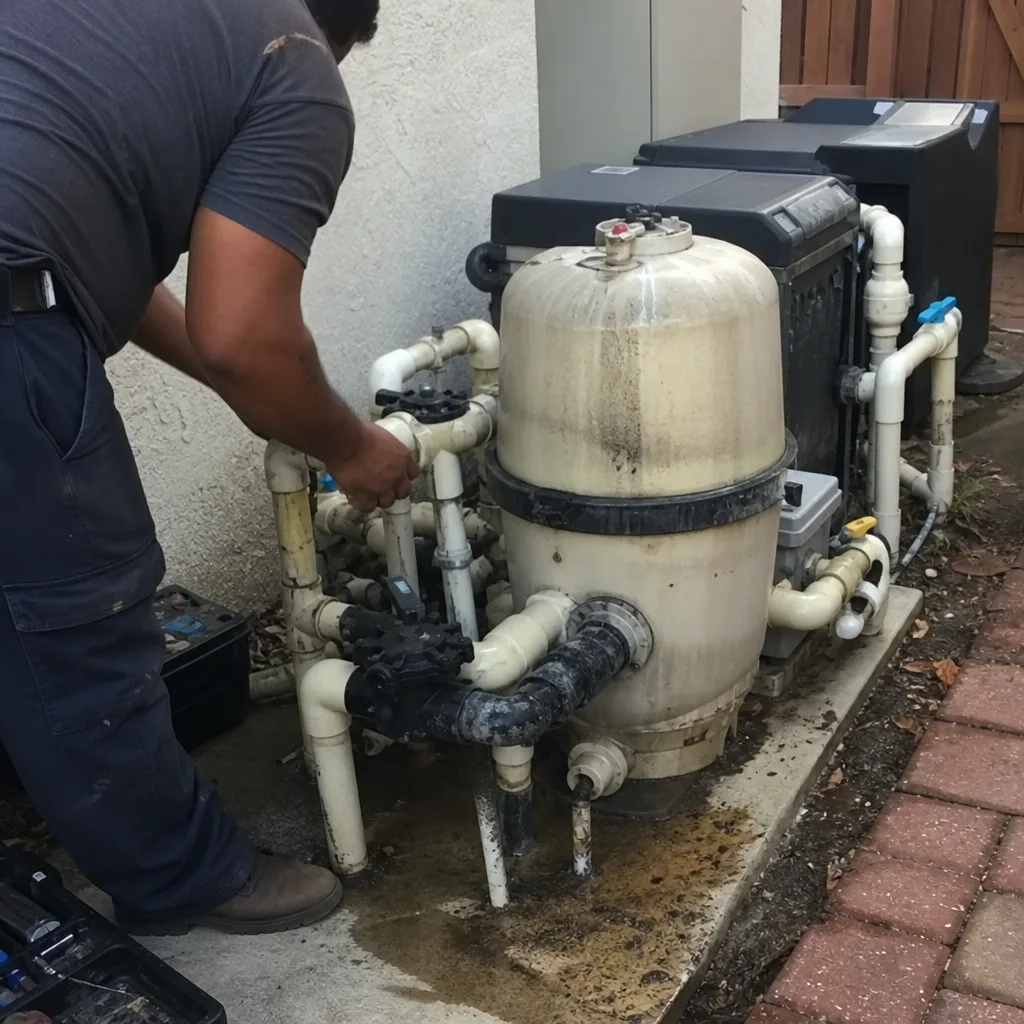 Before
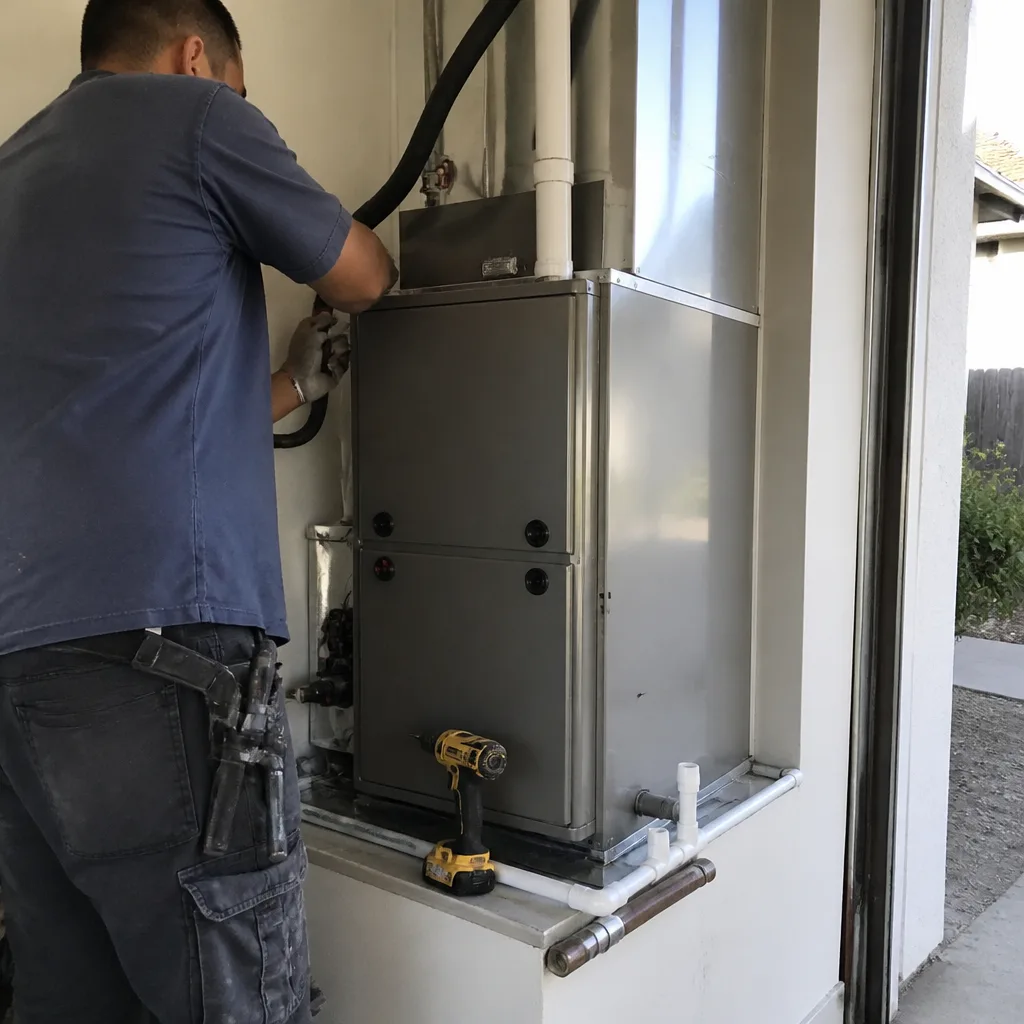 After
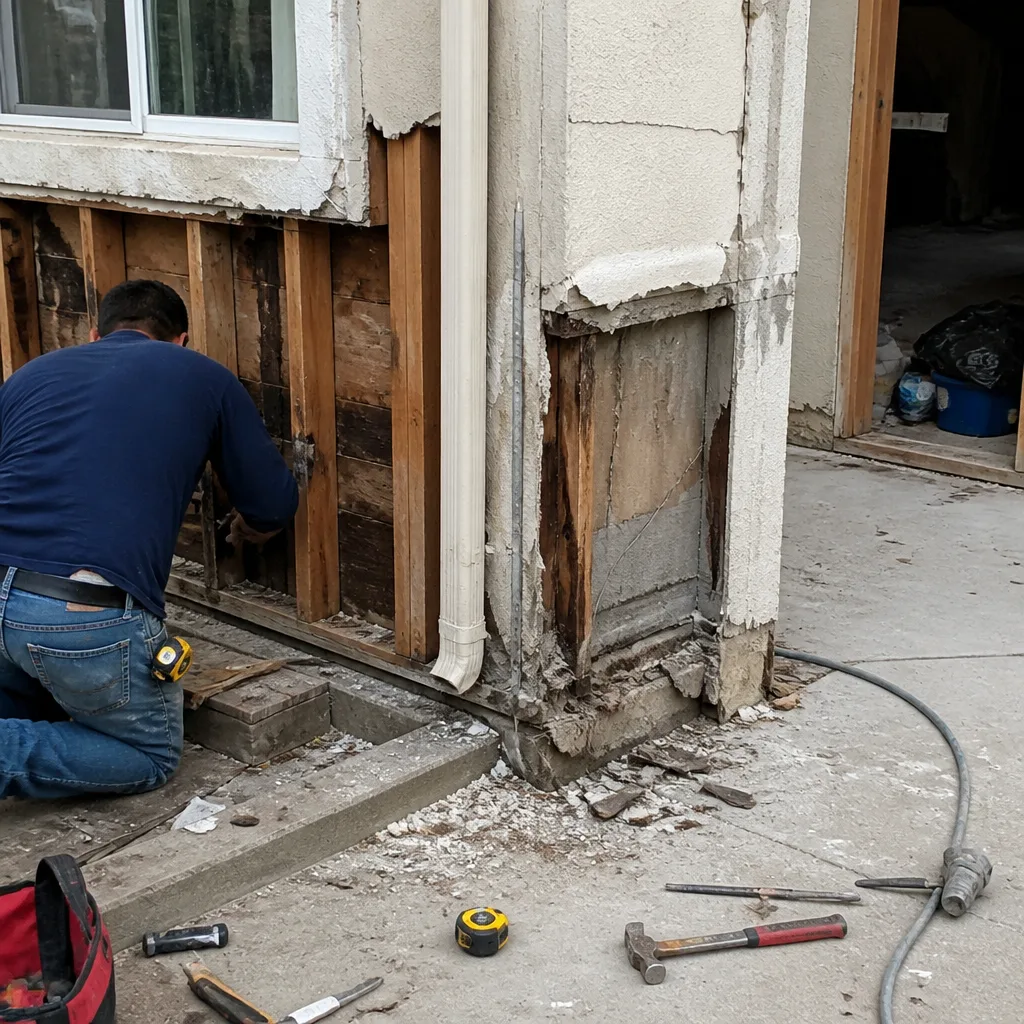 Before
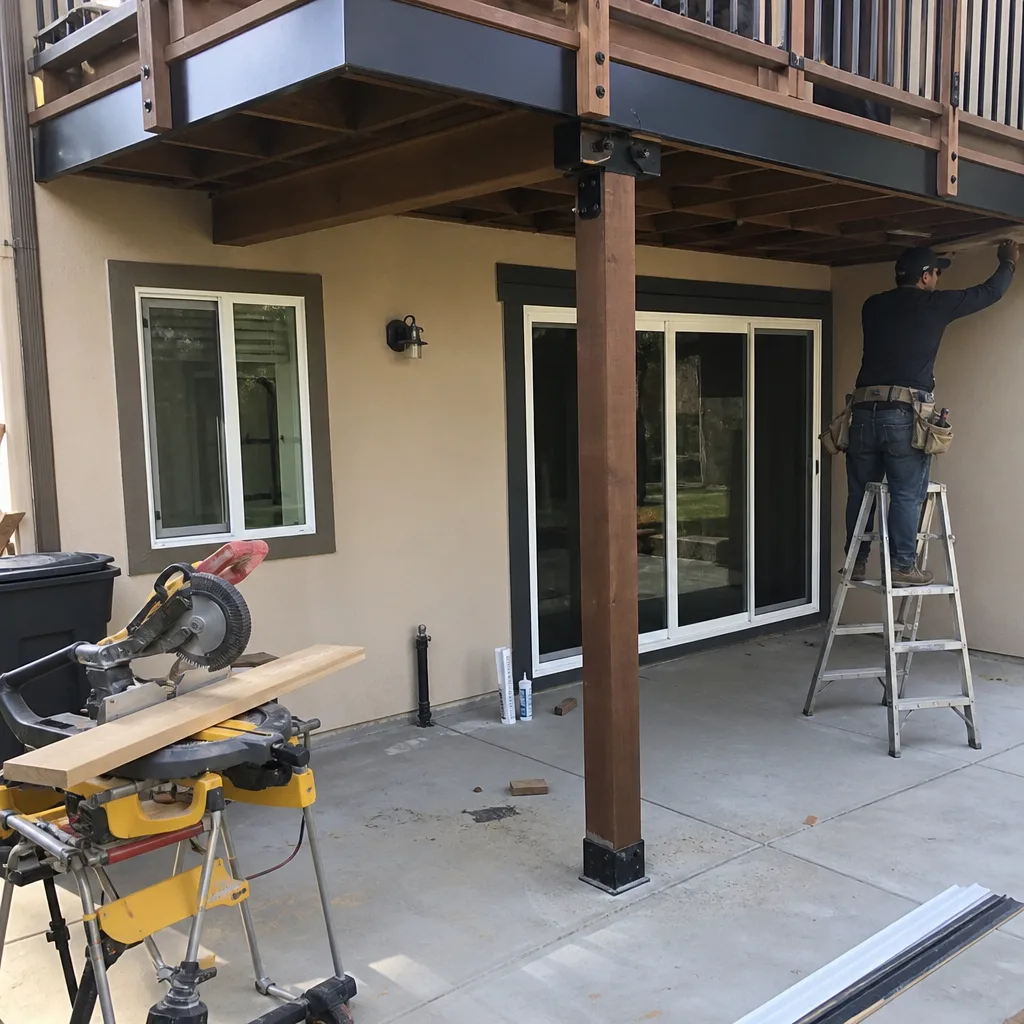 After
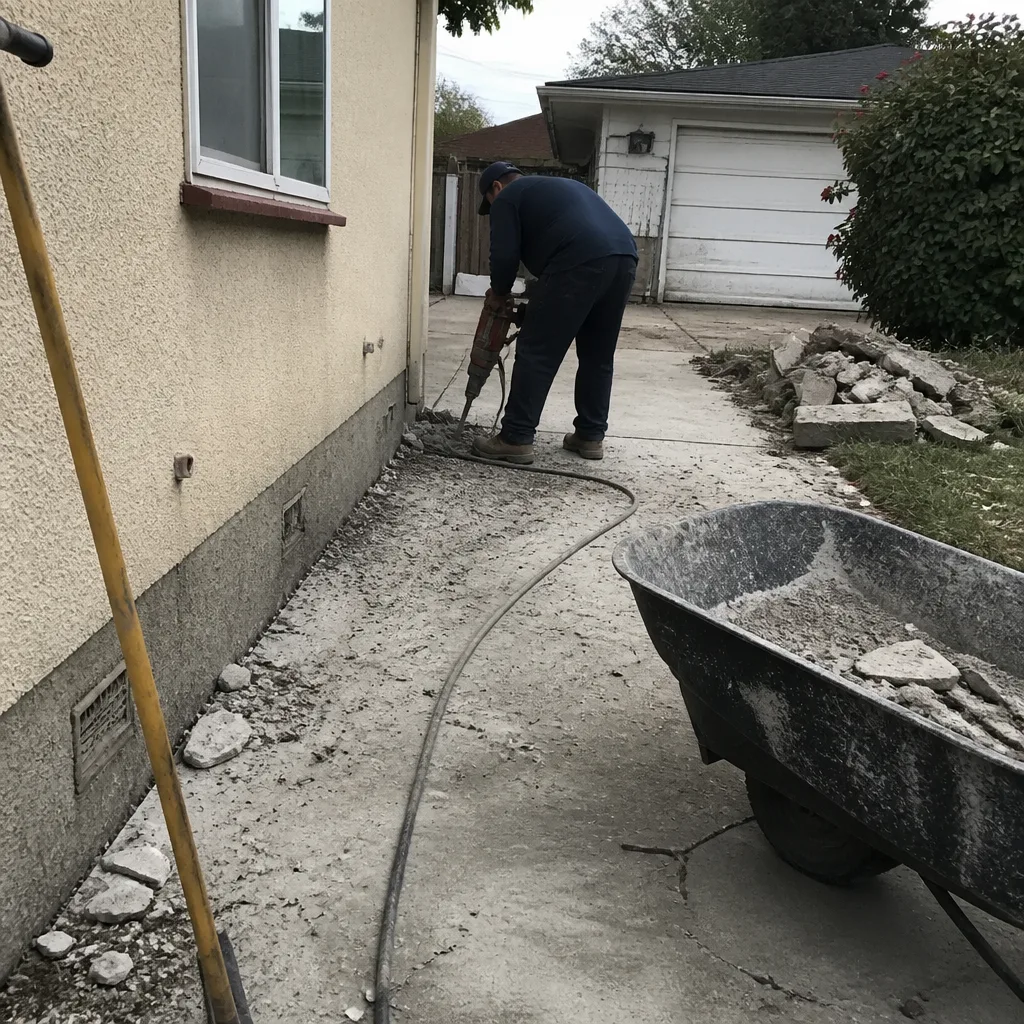 Before
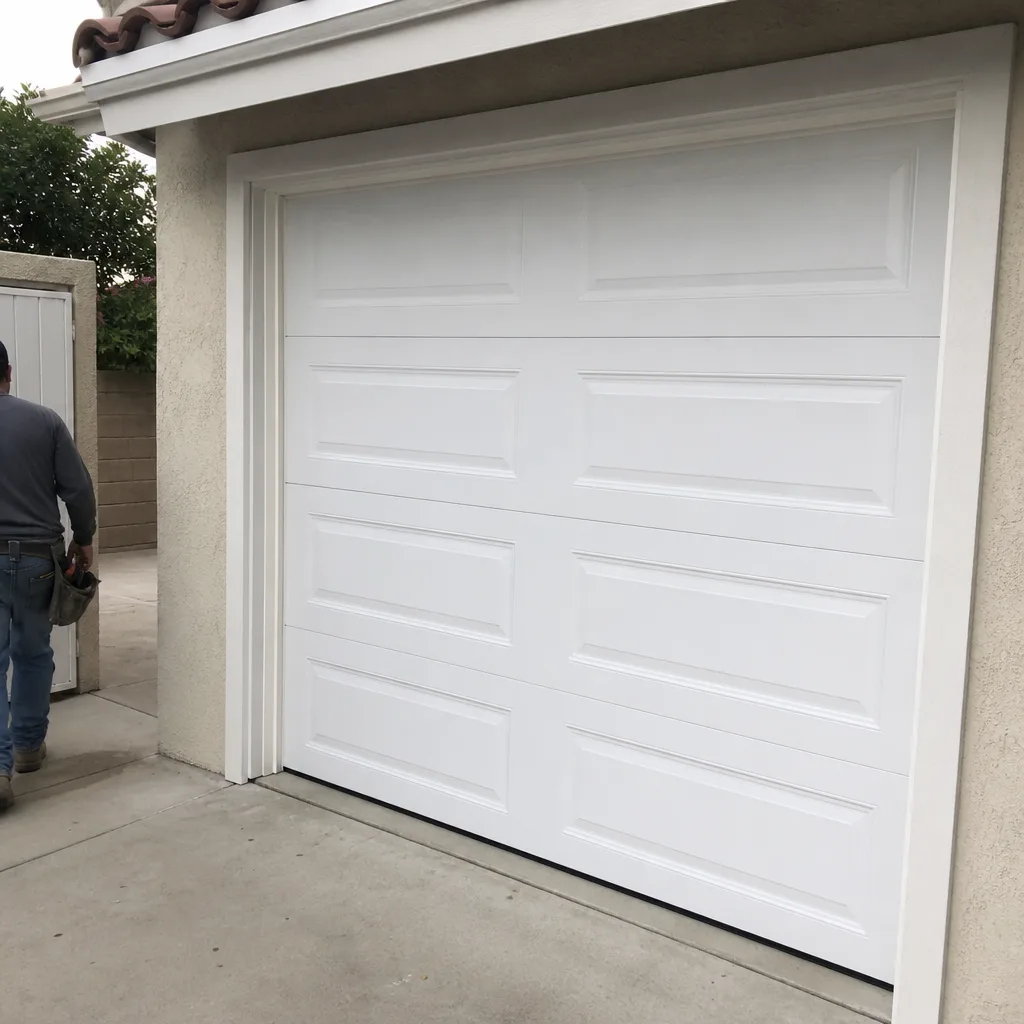 After