

Last updated October 31, 2026
 Kitchen remodeling
 Bathroom remodeling
 Home additions & ADU
 Roofing
 Windows & doors
 Driveway & pavers
 Fence
Free written scope consultation - allowances, timeline, and change-order rules on paper before a single trade is scheduled
General Contractor Troubleshooting: Common Problems and How to Fix Them
Here’s a statistic most Ontario homeowners never hear: the California Contractors State License Board receives thousands of complaints against general contractors every year, and a striking number of them trace back to decisions made in the first 30 days of a project, not to the actual building work. A contractor going quiet for four days mid-project isn’t a personality quirk. It often means materials weren’t ordered, a subcontractor fell through, or the job is being robbed to fund another client’s project. This guide gives you a diagnostic framework for spotting general contractor problems in Ontario before they harden into expensive disputes. You’ll learn how to read a draw schedule against actual site progress, what to do when a rough inspection fails, how to document unauthorized material substitutions, and when to escalate through the right legal channels.
Styles & brands we work with
Quick Answer
The most damaging general contractor problems in Ontario, CA aren’t structural failures. They’re communication and documentation breakdowns that start in the first month of a project. You fix them by catching the early warning signs: a contractor who goes silent, a draw schedule that outpaces visible work, material substitutions you didn’t approve in writing, or failed inspections with no correction plan. For more guides & resources on protecting your project, see our full library. Document everything, communicate in writing, and know your escalation path before you need it.
Table of Contents
- Why Did My General Contractor Go Quiet? The Four-Day Silence Rule
- How to Read a Draw Schedule Against Actual Site Progress
- What to Do When Permitted Work Fails a Rough Inspection
- Documenting Unauthorized Material Substitutions on a Fixed-Price Contract
- How to Formally Pause a Project in Writing Without Voiding Your Contract
- CSLB Complaint, Demand Letter, or Attorney: The Escalation Order That Protects You
- Common Mistakes to Avoid
- When to Call a Professional
- Frequently Asked Questions
- The Bottom Line
Why Did My General Contractor Go Quiet? The Four-Day Silence Rule
In our experience across hundreds of residential projects in Ontario and the Inland Empire, a reliable general contractor rarely goes more than two business days without a scheduled update. When the silence stretches to four days or more, it’s almost never a scheduling oversight. It’s a signal that something behind the scenes has gone wrong.
The three most common silent-contractor scenarios we see play out like this:
- Materials weren’t ordered. A contractor who promised “we’ll get that ordered this week” but didn’t will avoid your calls while they scramble to place the order. The giveaway: they can’t produce a purchase order or vendor confirmation when you ask.
- A subcontractor fell through. Demo crews, electricians, and plumbers on Ontario residential projects are often booked weeks out. If your contractor lost their HVAC sub or their rough carpenter, they may go quiet while trying to patch the schedule. The problem: they’re hiding the delay instead of managing it.
- Your money is funding another project. This is the hardest truth. Under-capitalized contractors sometimes use draws from a new client’s job to finish a previous one. The silence is the cover for that cash-flow gap.
What to do: Send one written message, either text or email, at the four-day mark. Keep it professional and direct: “We haven’t received an update since [date]. Please confirm the current schedule, any delays, and the date of the next site visit. We need this in writing by end of day tomorrow.” If you get no response in 24 hours, escalate to a phone call. If the call goes to voicemail twice, send a final written notice stating that the lack of communication is a material concern under your contract and that you’re documenting it. In Ontario, where projects run under California contractor law, that written record is the beginning of your paper trail. It matters more than anything else you’ll do that week.
A general contractor who manages the home remodeling process properly will never let a client wonder where things stand. Weekly written updates, even simple ones, are the standard. If you’re not getting them, that’s a finding, not a feeling.
How to Read a Draw Schedule Against Actual Site Progress
Most Ontario homeowners sign a draw schedule as part of their general contractor agreement and then never look at it again until a payment request arrives. That’s a mistake. The draw schedule is your most precise diagnostic tool for measuring whether a contractor is ahead of, behind, or over-billing for completed work. Here’s how to run the math.
First, understand what a draw schedule is. It’s a payment calendar tied to project milestones, not dates. A typical residential remodel in Ontario might look like this:
- Draw 1: 10% at contract signing (mobilization)
- Draw 2: 20% at completion of demolition and rough framing
- Draw 3: 25% at completion of rough plumbing, electrical, and HVAC
- Draw 4: 20% at drywall, paint, and trim completion
- Draw 5: 15% at cabinetry, countertops, and fixture installation
- Draw 6: 10% at final inspection and punch list completion
Now, run this check every time a draw is requested:
- Ask what percentage of the total project is physically complete, in your own estimate. Walk the site. If the contractor is requesting Draw 3 at 55% of the contract value but the rough plumbing isn’t finished, the math is off.
- Compare the requested draw percentage to the milestone percentage on your schedule. If the contractor scheduled Draw 3 at 25% of the contract for rough-in completion, but they’re asking for 25% when only the rough framing is done, that’s over-billing. The money is ahead of the work.
- Check for “front-loaded” schedules. Some contractors front-load early draws: 30% at signing, 30% at demo. If a contractor in Ontario asks for more than 15% upfront on a residential remodel, that’s a red flag under California law, which caps the down payment for home improvement contracts at $1,000 or 10% of the project total, whichever is less, for most residential work.
- Document the gap in writing. If the math shows over-billing, send an email that says: “Per our contract, Draw 3 corresponds to completion of rough plumbing, electrical, and HVAC. As of our site walk on [date], rough plumbing was not complete. Please confirm which milestones have been met and adjust the draw request accordingly.” That single message changes the legal posture of the disagreement in your favor.
When you’re working with a general contractor who carries full-scope responsibility across a project, the draw schedule should be an honest map of progress. If the map and the terrain don’t match, you don’t keep paying to find out why. You stop and reconcile.
One more Ontario-specific detail: if your project includes exterior work like roofing or siding, material delivery dates often affect progress. See our Seasonal Construction Care for Ontario: Year-Round Homeowner’s Guide for timing considerations by season. A contractor might legitimately request a draw for materials that have been ordered but not yet installed. In that case, ask for the vendor invoice or purchase order. It’s a reasonable request, and a contractor who has actually placed the order will have no trouble showing it.
What to Do When Permitted Work Fails a Rough Inspection
A rough inspection failure is not a catastrophe. It’s a correction point. The city of Ontario’s building department, like most Inland Empire jurisdictions, uses rough inspections to verify that framing, electrical, plumbing, and mechanical work meet California Building Code before it’s covered by drywall. Failing one means the inspector found something non-compliant. It happens on a meaningful percentage of residential projects, even with good contractors. What matters is what happens next.
Here’s who is legally responsible for the correction cost. Under a standard California home improvement contract, the general contractor is responsible for performing work that meets code. If the rough inspection fails because the work was done incorrectly, the contractor fixes it at their own cost. Not yours. That’s true whether the error was made by the contractor’s own crew or a subcontractor the contractor hired. The contractor is the one whose license is on the line.
There’s one exception: if the failure stems from something the homeowner directed against the contractor’s advice. Example: you insisted on a fixture layout that violates clearance requirements and the contractor warned you in writing, then installed it anyway at your instruction. That correction is on you. But absent that specific fact pattern, the correction cost belongs to the contractor.
What to do:
- Get the correction notice in writing from the inspector. The city will typically issue a correction list. Ask your contractor for a copy. If they don’t provide it, call the Ontario building department yourself and request it. You’re the property owner; you’re entitled to it.
- Send a written confirmation to the contractor. “Per the failed rough inspection on [date], the correction list includes [items]. Please confirm in writing that these corrections will be completed at no additional cost to us and provide the date of the reinspection.”
- Do not pay for the correction work as a change order. A contractor may try to reframe the fix as a scope addition. It isn’t. It’s rework. If they push back, point to the contract language that requires code-compliant work.
- Schedule the reinspection only after the corrections are done. Reinspection fees in Ontario are typically small, but repeated failures add up. Confirm the corrections are complete before paying the fee again.
This scenario is where single-source accountability matters most. When one contractor handles the full home renovation scope, there’s no argument about whether the electrician or the framer is at fault. The contractor owns the whole inspection. That’s the contract you want.
Documenting Unauthorized Material Substitutions on a Fixed-Price Contract
A fixed-price contract says you get Cambria countertops, James Hardie siding, or GAF roofing for a set amount. An unauthorized substitution is when the contractor installs something else and doesn’t tell you. In Ontario’s competitive remodeling market, where material costs fluctuate significantly, this happens more often than homeowners realize. It’s not always malicious. A contractor might run into a supply delay and swap in a comparable product to keep the schedule moving. But “comparable” is not the standard. The standard is what’s written in your contract.
Here’s how to build the paper trail that protects you:
- Check the contract’s specification schedule. A well-written Ontario contractor agreement lists specific products by brand and model: “Caesarstone 5141 Frosty Carrina countertops” not “quartz countertops.” If your contract says “quartz countertops,” you have less leverage. That’s a lesson for your next project.
- Document what was actually installed. Take photos of the product labels, boxes, or branding. If the countertop was installed and the brand isn’t visible, request the installation invoice from the fabricator. The contractor can get it; they just may not want to.
- Send a written notice of non-conformance. “Our contract specifies [brand/product] for [scope item]. The installed material appears to be [actual product]. Please provide documentation confirming the installed product’s compliance with our contract, or a written proposal for remediation.” Keep the tone firm but factual.
- Do not make the final payment until resolved. California law gives homeowners certain protections, including the right to withhold final payment for work that doesn’t conform to the contract, as long as the amount withheld is reasonable and tied to the specific defect.
- If a substitution is proposed before installation, get it approved in writing with a price adjustment. If a contractor proposes a substitution because the specified product is back-ordered, that’s a legitimate conversation. If the substitute costs less, the difference should be credited to you. If it costs more, you approve the additional cost in writing or reject the substitution. No verbal agreements. Contractors in Ontario who run multiple jobs can forget verbal approvals within a week. Written confirmations don’t forget.
- Identify the contractual basis for the pause. Most contracts include language about contractor obligations, code compliance, or progress. Your pause letter should cite the specific clause or obligation that hasn’t been met. “Under Section 4.2 of our agreement, you are required to maintain a progress schedule. We have received no written update in 12 days.”
- Send a written notice of suspension. Email is acceptable, but certified mail with return receipt is stronger. The letter should state: (1) the specific problem, (2) the actions required to resolve it, (3) the date work should pause, and (4) that the pause is not a termination of the contract. That last point is critical. You are not firing the contractor. You are suspending performance pending resolution.
- Document the site condition. Take detailed photos and video of the project as it stands on the pause date. If work is partially complete, document exactly what’s done and what’s not. This becomes critical evidence if the dispute escalates.
- Secure the site reasonably. You have a duty to mitigate damages. If the project has exposed framing or open areas, cover them or ask the contractor to secure materials. A tarp and some plywood are reasonable. You don’t need to finish the work; you just need to prevent avoidable damage.
- Do not hire another contractor during the pause unless the contract is formally terminated. Bringing in a second contractor while the first is still under contract can expose you to breach claims. If the pause turns into a termination, follow the contract’s termination provisions or get legal advice first.
- Paying the final draw before the final inspection. In Ontario, the final inspection is the city confirming the work meets code. If you pay in full before that inspection happens, you’ve given away your last piece of leverage. Insist on the final inspection certificate before the last check clears.
- Accepting verbal change orders. “We’ll sort out the difference later” is how a $20,000 kitchen remodel becomes a $34,000 kitchen remodel. Every scope change in a California home improvement project should be in writing with a specific dollar amount attached.
- Not checking the CSLB license before signing. The CSLB website shows license status, insurance coverage, and any disciplinary history. It takes five minutes. It’s the single highest-value due diligence step an Ontario homeowner can take before hiring a general contractor.
- Misreading the down payment rules. California caps the down payment for most residential home improvement contracts. If a contractor asks for more than the legal limit before any work starts, that’s a violation in itself and a signal of how the rest of the project will go.
- Ignoring the first silence. The four-day silence rule exists for a reason. The first time a contractor goes quiet is the cheapest moment to correct the pattern. Every subsequent silence gets more expensive.
- Treating Ontario’s inspection process as an obstacle instead of a protection. City inspections aren’t bureaucracy for its own sake. They’re independent verification that the work meets safety and quality standards. A contractor who resists inspections is telling you something important.
At Workshop Contractors home, we carry direct relationships with manufacturers like IKO, Atlas, and Tamko for roofing materials, which means substitutions are rarely necessary. When a specified product is genuinely unavailable, we bring the alternative to the homeowner before the install, not after. That’s how material sourcing should work.
How to Formally Pause a Project in Writing Without Voiding Your Contract
Sometimes the right move is to stop the work. Not cancel it, not fire anyone, just pause while you sort out a payment dispute, an inspection issue, or a documentation problem. Many Ontario homeowners hesitate because they fear pausing will trigger a contractor abandonment claim or void the contract. It won’t, as long as you do it correctly under California law.
Here’s the sequence:
The distinction between a pause and an abandonment matters in California. Contractor abandonment is a specific legal finding that can lead to discipline against the contractor’s license with the CSLB. A homeowner who sends a proper suspension notice is not abandoning the project. You’re exercising your contractual rights. The paper trail proves it.
CSLB Complaint, Demand Letter, or Attorney: The Escalation Order That Protects You
When a general contractor problem in Ontario can’t be resolved directly, homeowners face three escalation tools: a demand letter, a CSLB complaint, and a construction attorney. The order you use them in affects your leverage. Here’s the sequence that works.
Step 1: The demand letter. This is a formal written document, typically sent certified mail, that states the specific problem, the contract provision violated, the amount of money in dispute, and a deadline for resolution. It’s not filed with any government agency. It’s a direct communication that signals you’re prepared to escalate. Many disputes resolve at this stage because the contractor realizes the documentation is strong. A good demand letter takes an afternoon to write and costs you nothing but postage.
Step 2: The CSLB complaint. The Contractors State License Board regulates general contractors in California. When a homeowner files a complaint, the CSLB investigates whether the contractor violated the Contractors State License Law. The CSLB has teeth: it can suspend or revoke licenses, order restitution, and refer cases for criminal prosecution in egregious circumstances. A CSLB complaint is particularly effective when the issue involves unlicensed work, abandonment, or gross over-billing. It’s less effective for pure quality disputes, which the CSLB often refers to civil court. File the CSLB complaint after the demand letter fails, not before. The demand letter gives you a clean record of attempted resolution, which strengthens the CSLB filing.
Step 3: The construction attorney. This is the nuclear option and it’s appropriate when the dollar amount in dispute justifies the legal cost, or when you’re facing a contractor who has filed a mechanics lien against your Ontario property. A construction attorney can file a lawsuit, negotiate a settlement, or defend you against the lien. Attorneys are expensive, and litigation moves slowly. But if a contractor has walked off a half-finished remodel with $80,000 of your money, that’s when you call one. For most disputes under $10,000, small claims court is available in California without an attorney.
The order matters because it preserves your options. A demand letter doesn’t close any doors. A CSLB complaint doesn’t prevent a later lawsuit. But jumping straight to an attorney can freeze the contractor into a defensive posture where they stop communicating entirely. Exhaust the low-cost tools first.
Common Mistakes to Avoid
When to Call a Professional
If you’re reading this guide because you’re already in a dispute, you need professional help now. If you’re reading it before signing a contract, you’re ahead of most homeowners. For Ontario residents planning a remodel, renovation, or addition, the best protection against general contractor problems is hiring a contractor whose systems prevent those problems from forming. You want a written schedule, a draw schedule tied to milestones, specification-grade product selections, and a single point of accountability for every trade on site. You want someone who answers the phone on day four. Workshop Contractors offers free estimates in Ontario, and we’re happy to walk through how we structure a project so these problems don’t happen. Call (844) 384-3361 to schedule yours.
Frequently Asked Questions
Compare each draw request against the physical completion percentage on site and the milestone schedule in your contract. If the requested percentage exceeds the actual work completed, you’re being over-billed. Document the gap in writing and ask for a reconciliation before paying. Call (844) 384-3361 for a free project review if you’re uncertain about your current draw schedule.
For most residential home improvement contracts in California, the maximum down payment is $1,000 or 10% of the total project cost, whichever is less. If a contractor in Ontario asks for more than this before work begins, that’s a red flag and a potential violation of the Contractors State License Law.
Yes, but the process must follow your contract’s termination provisions. Document the reason for termination in writing, take photos of the site condition, and do not hire a replacement contractor until the original contract is formally terminated. If the contractor has pulled permits, you’ll need to address how the permit transfers or is closed out.
California law treats contractor abandonment as a specific violation. Document the abandonment pattern: the date of last communication, the date of last work on site, and any unpaid invoices for work not performed. File a CSLB complaint and, depending on the dollar amount involved, consult a construction attorney. The CSLB can discipline the contractor’s license and may order restitution.
There’s no mandatory waiting period, but you should document at least one written attempt to resolve the issue directly, typically through a demand letter with a stated deadline of 10 to 14 days. That paper trail strengthens your CSLB complaint and shows the investigator you attempted good-faith resolution.
Yes. We function as a true general contractor across the full home renovation scope, managing roofing, windows, siding, fencing, and hardscaping alongside interior kitchen and bath remodels under a single contract and schedule. That single-source structure eliminates the coordination failures that cause many of the problems described in this guide. Call (844) 384-3361 for a free estimate in Ontario.
The Bottom Line
Most general contractor problems in Ontario are avoidable when you understand what you’re looking at. The four-day silence rule catches communication breakdowns early. Draw schedule math catches over-billing before it compounds. Written documentation of substitutions and inspection failures preserves your legal position. A proper escalation sequence maximizes your leverage for the lowest cost. None of this requires being an expert in construction. It requires being disciplined about documentation and willing to ask for written confirmation. The homeowners who get burned aren’t the ones who don’t know framing from drywall. They’re the ones who trusted a handshake when they should have trusted a paper trail. For a contractor who builds that paper trail correctly from day one, call (844) 384-3361 and ask for a free estimate.
Written by the team at Workshop Contractors, serving Ontario since 2011.
See the difference
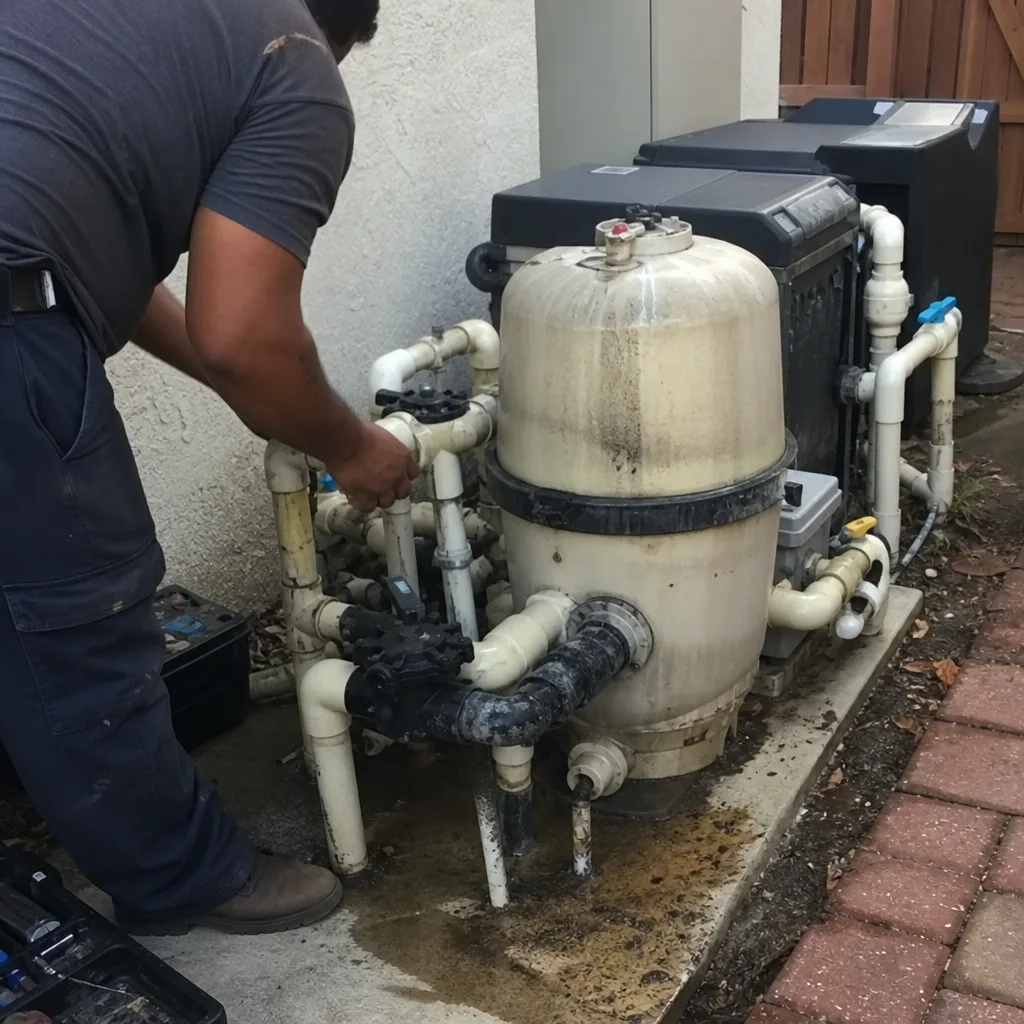 Before
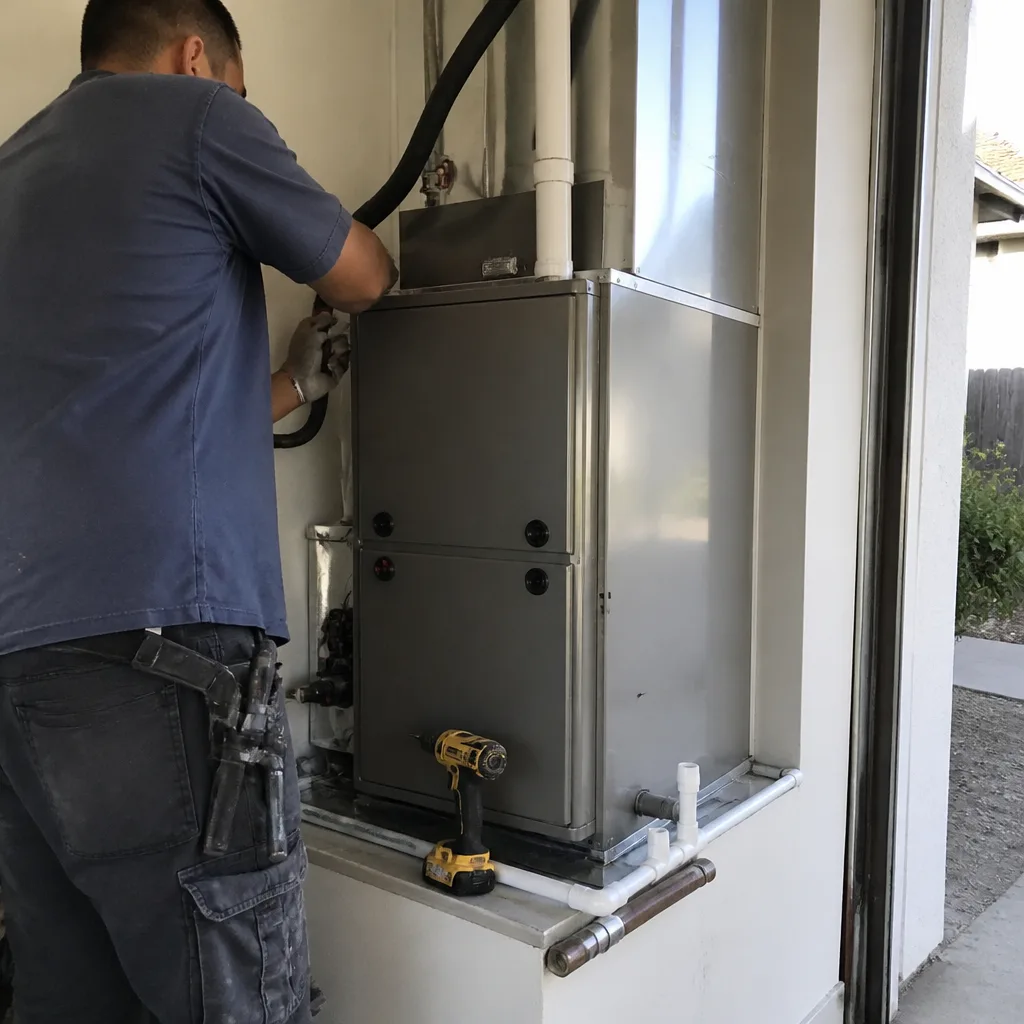 After
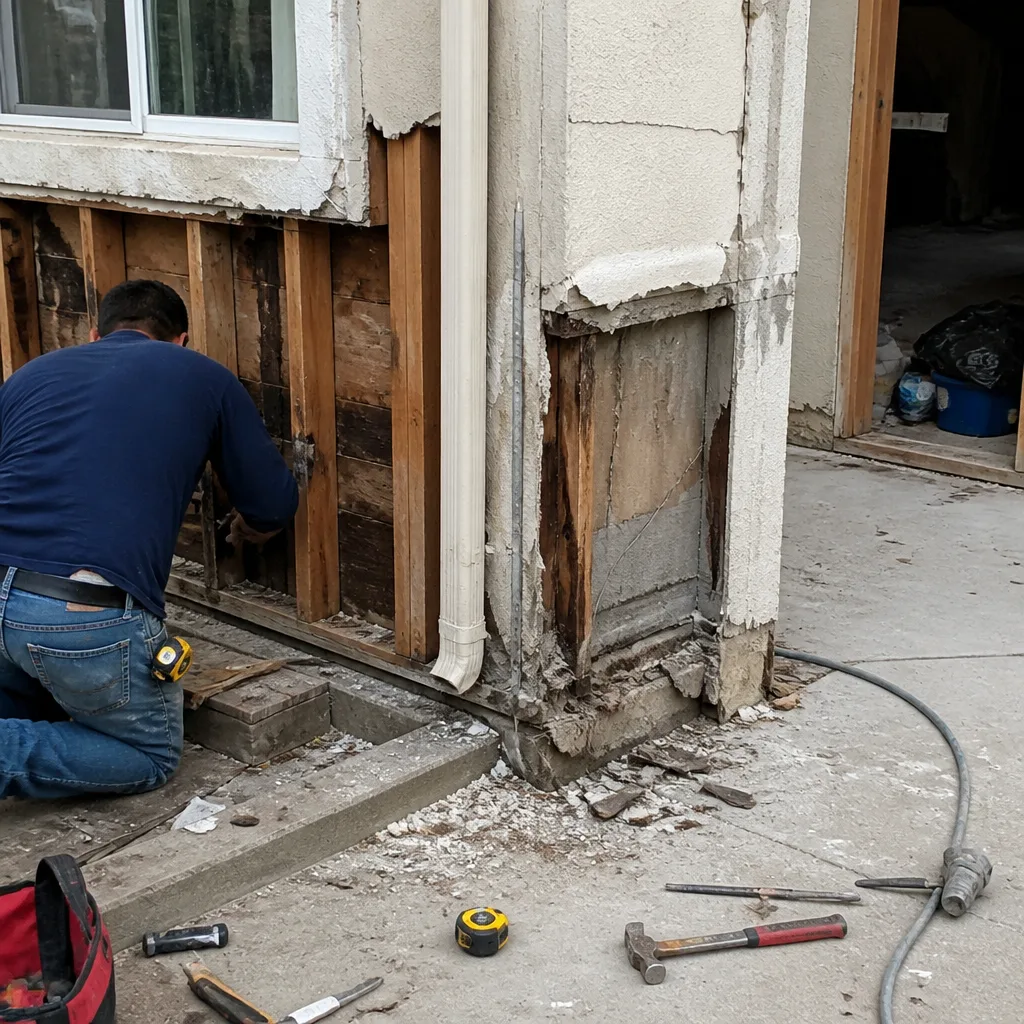 Before
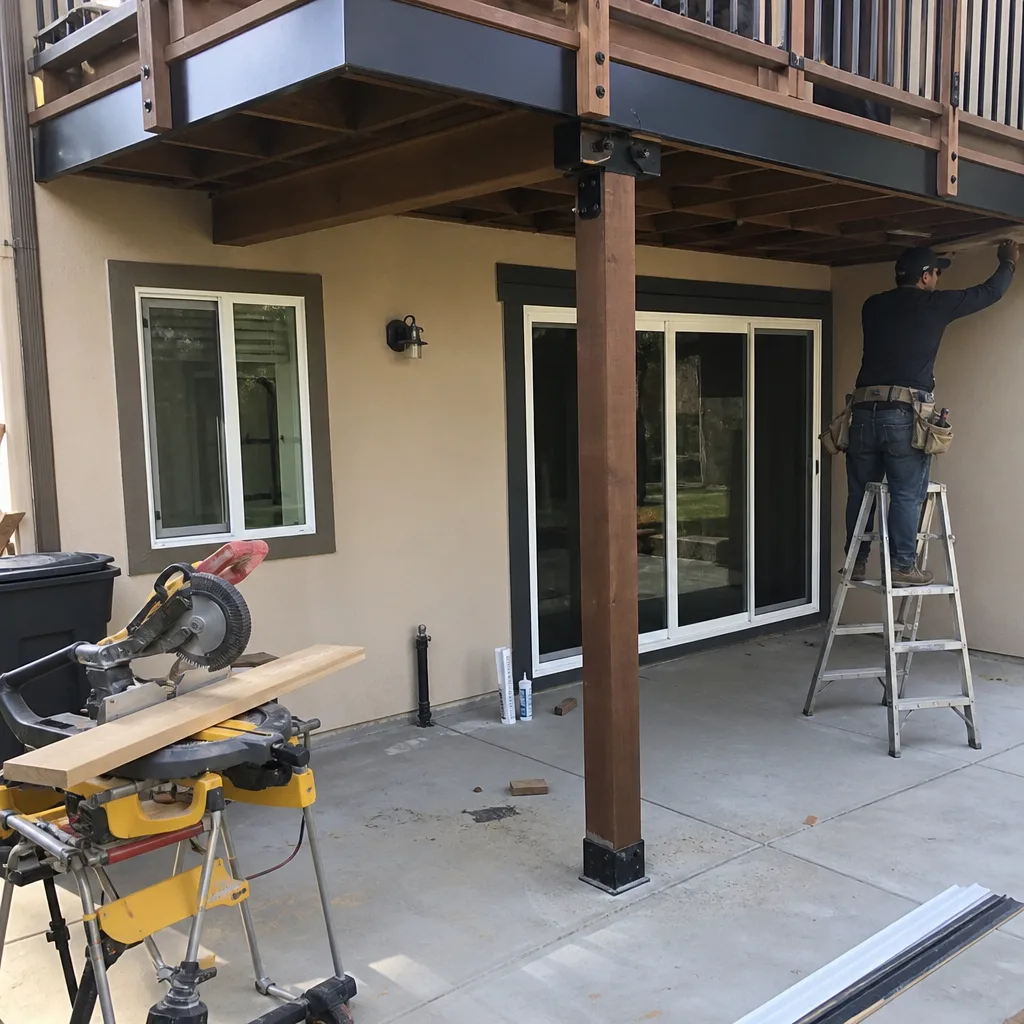 After
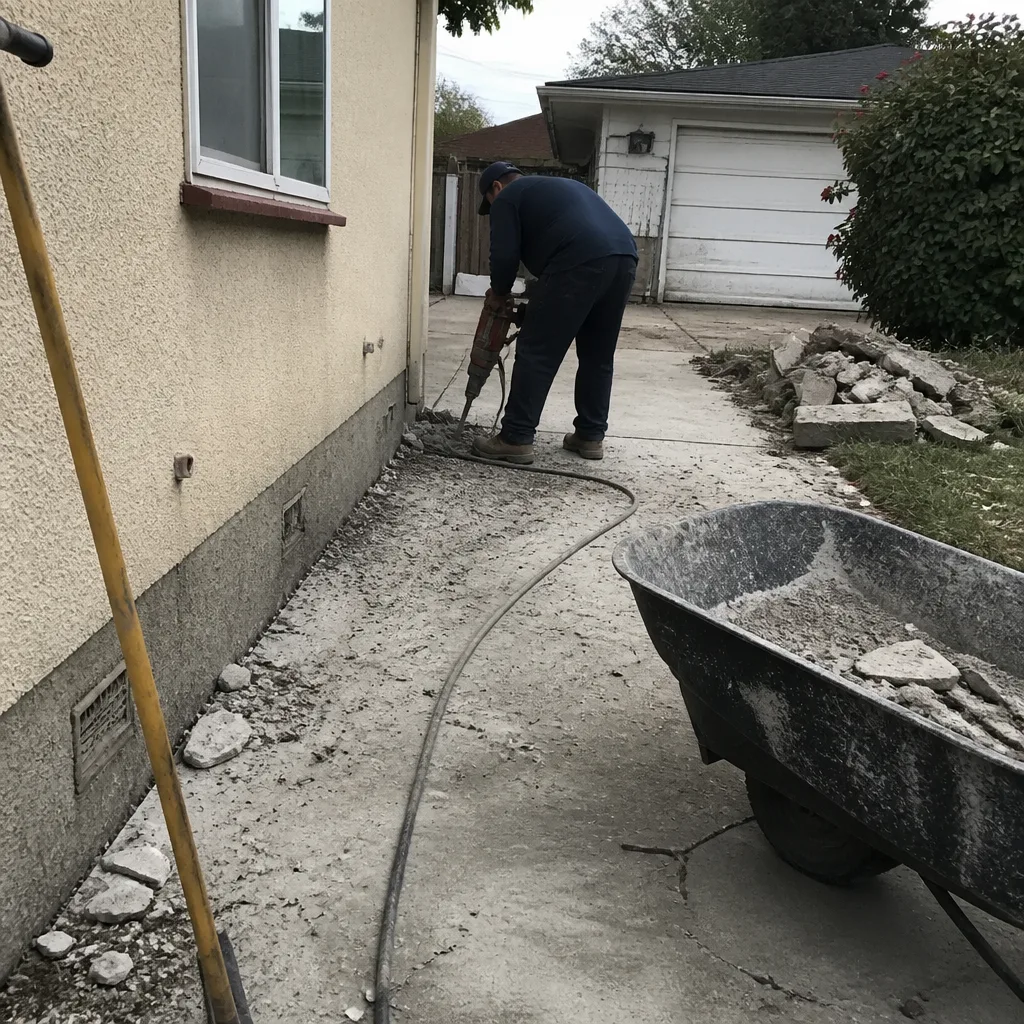 Before
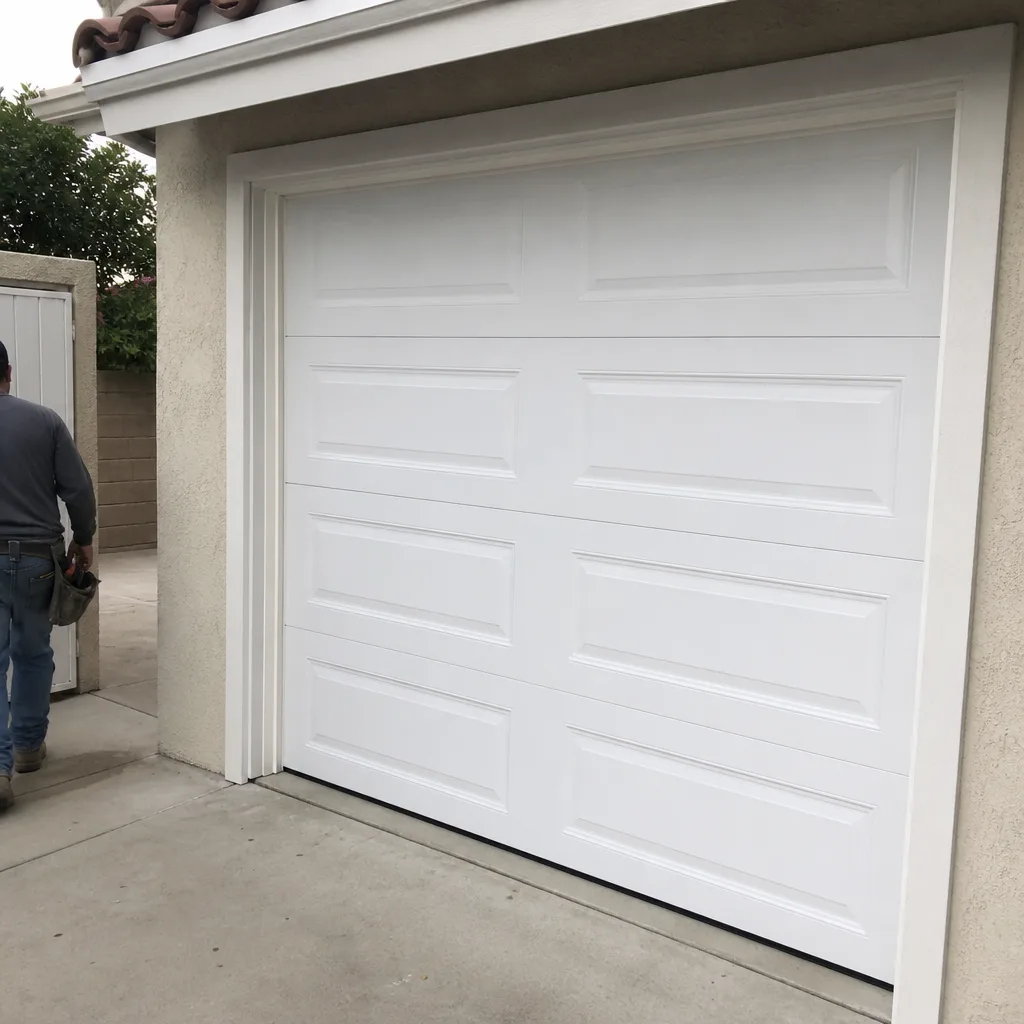 After