
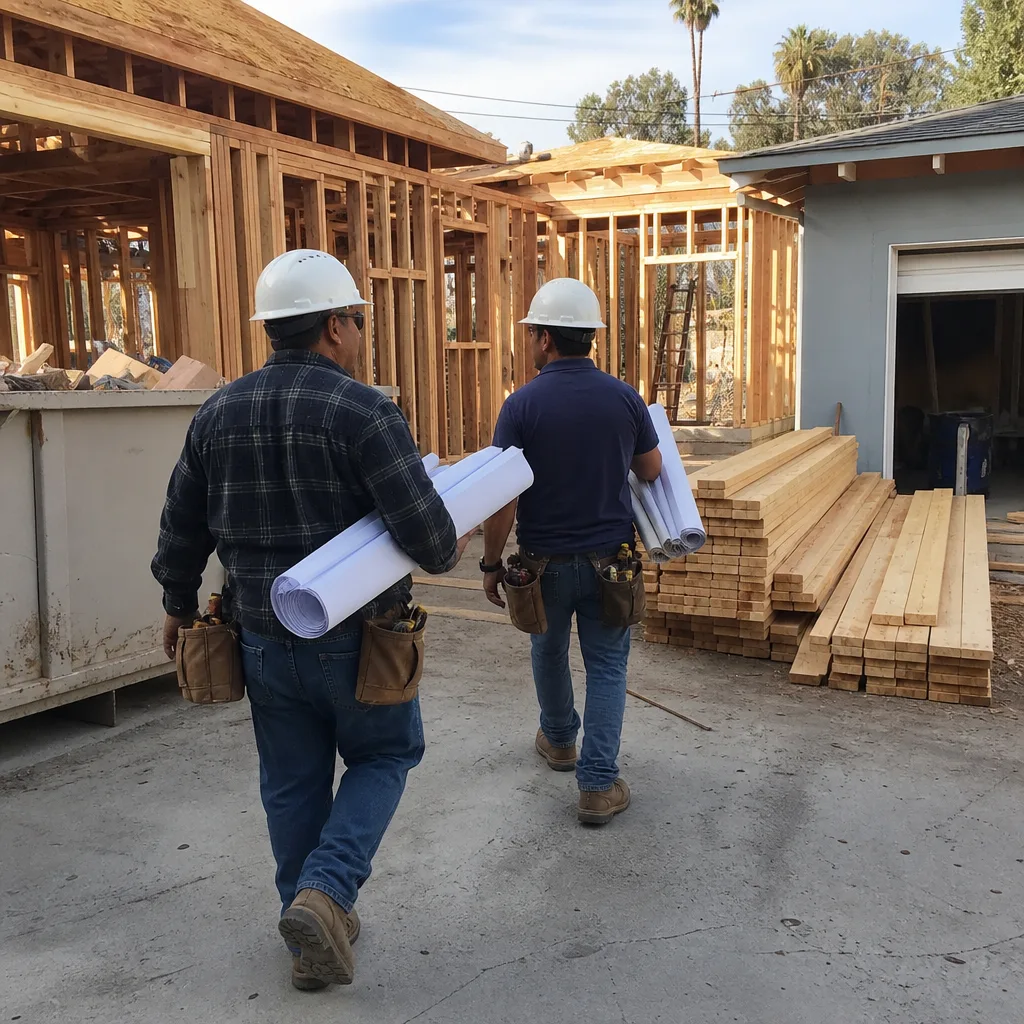
Last updated October 31, 2026
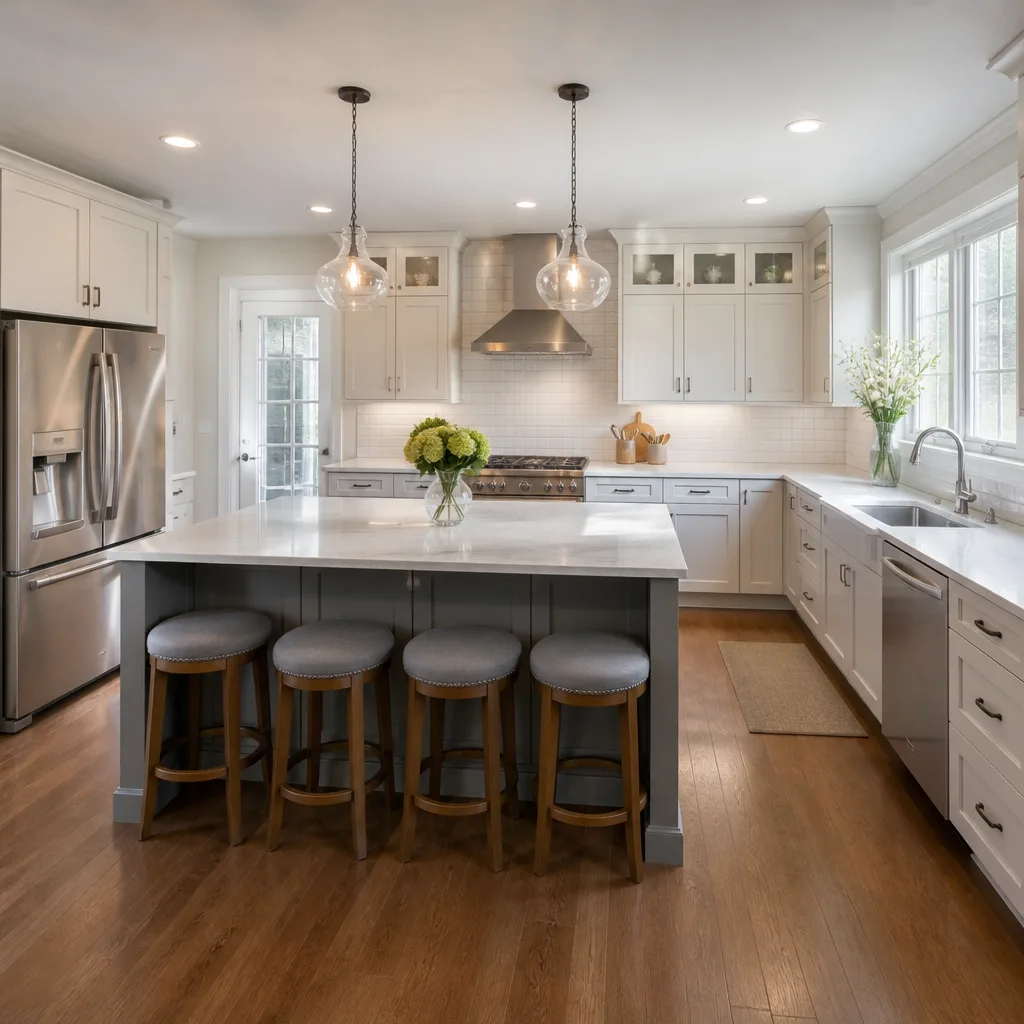 Kitchen remodeling
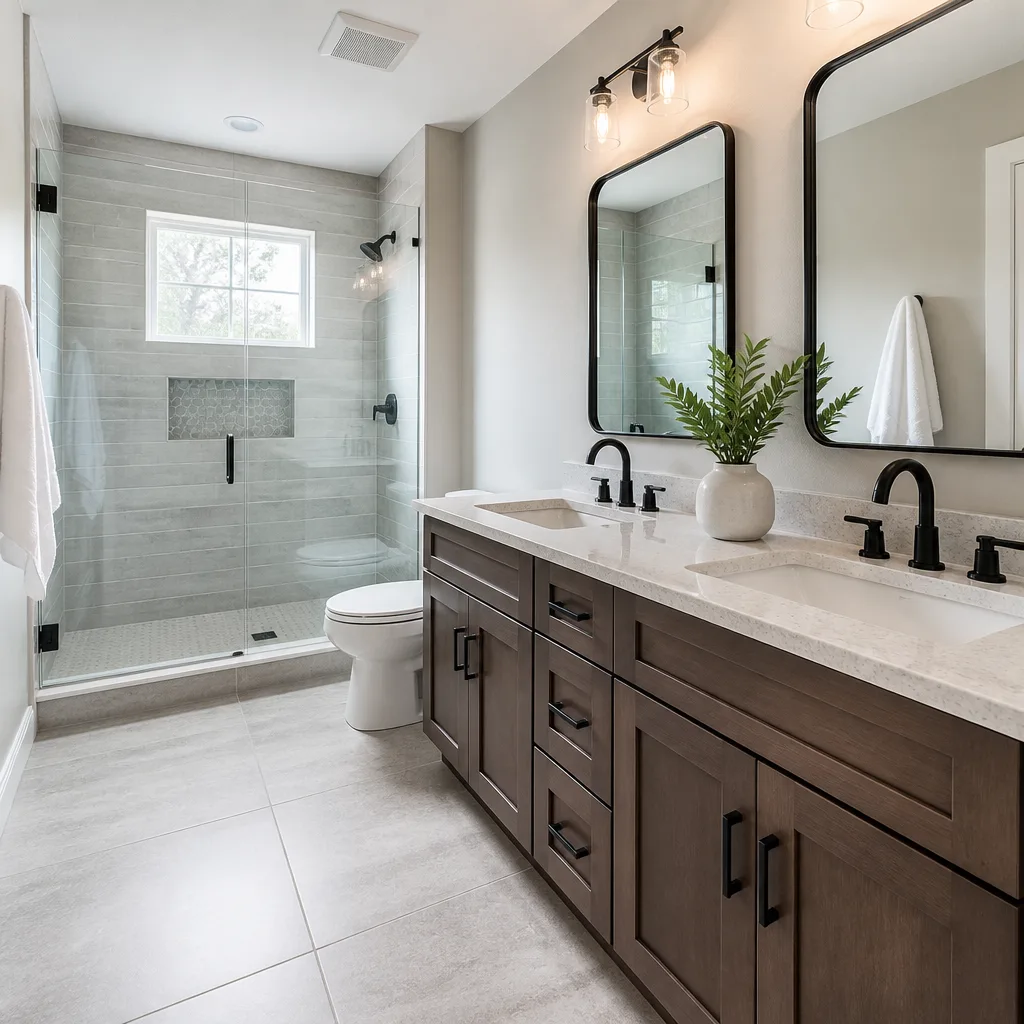 Bathroom remodeling
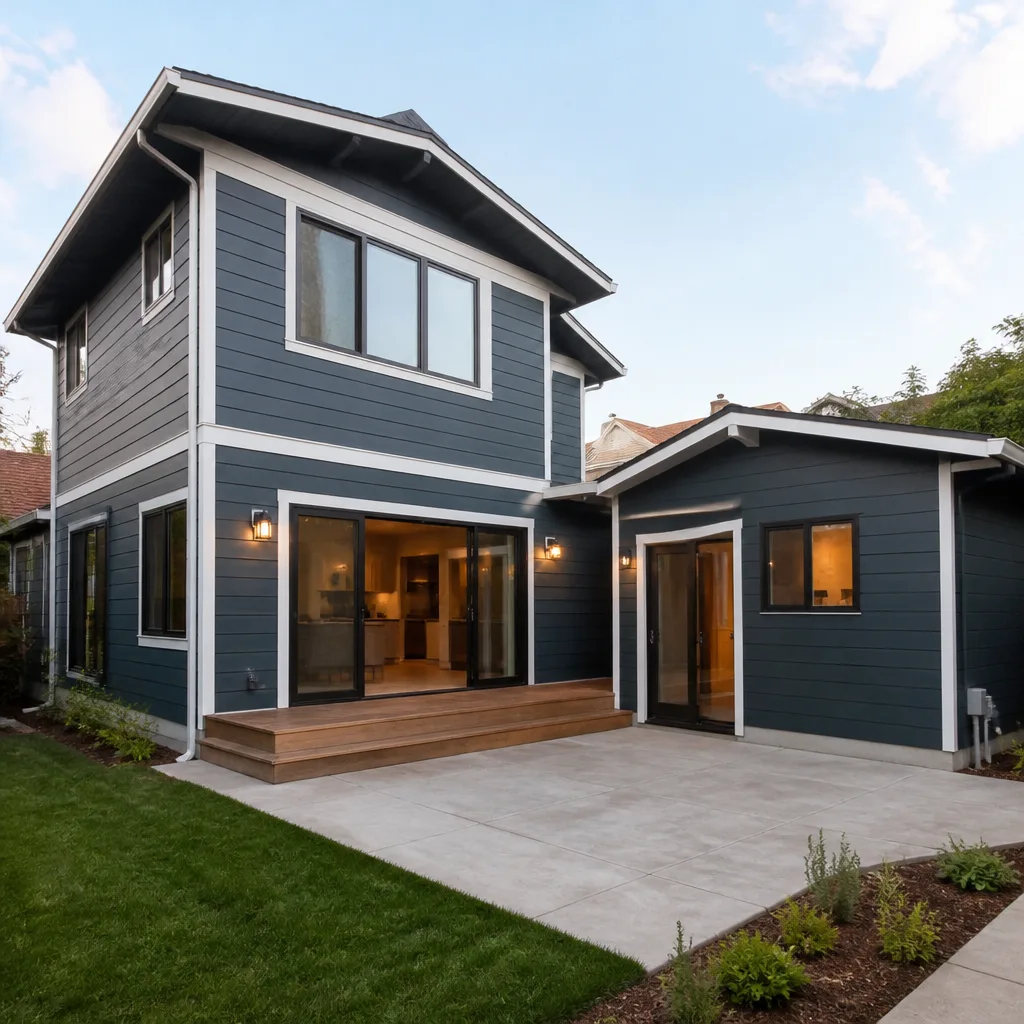 Home additions & ADU
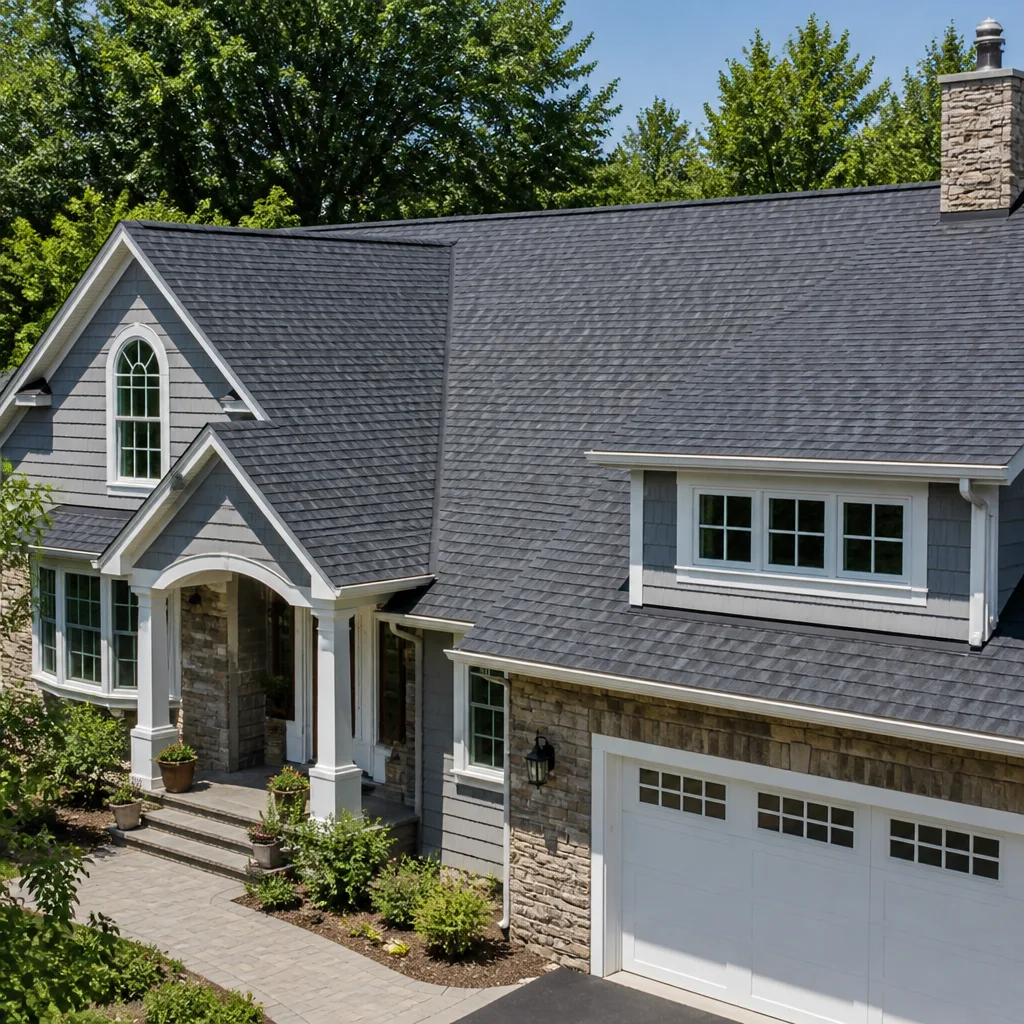 Roofing
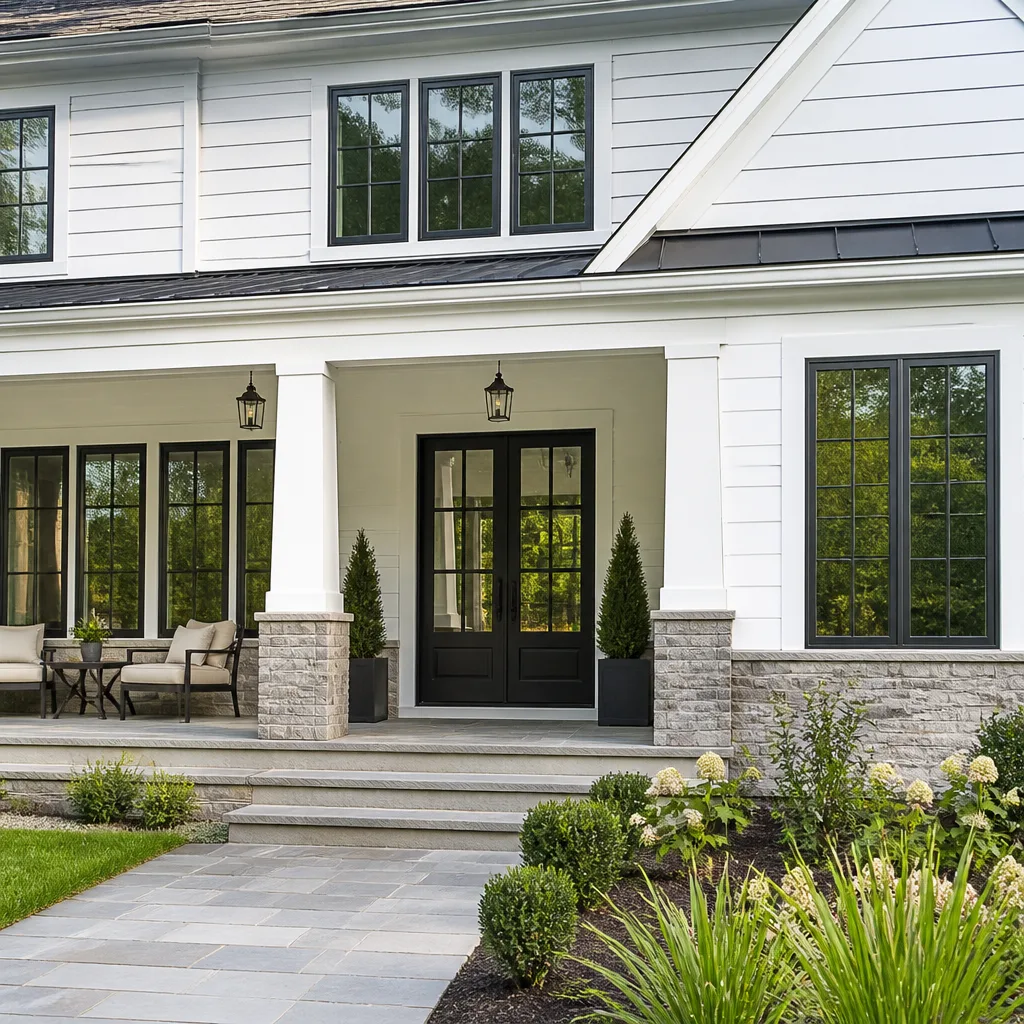 Windows & doors
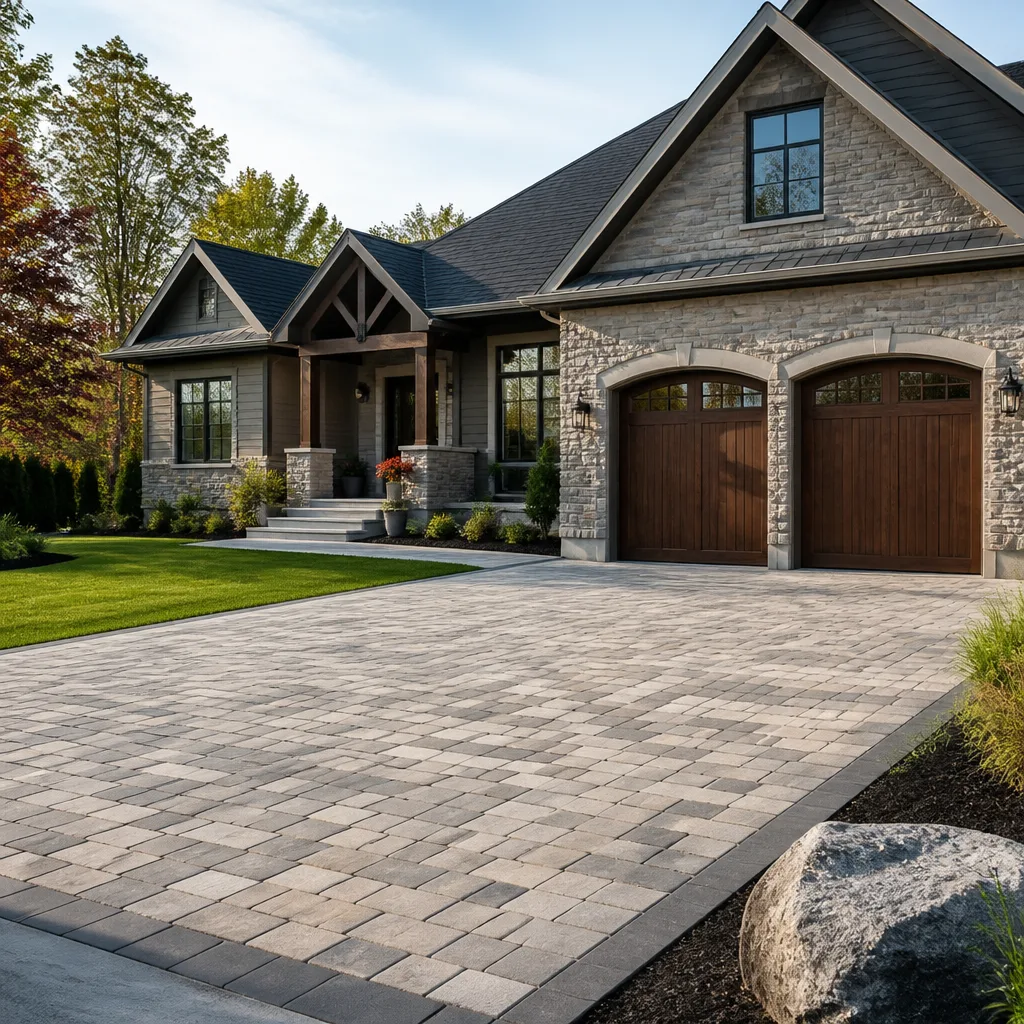 Driveway & pavers
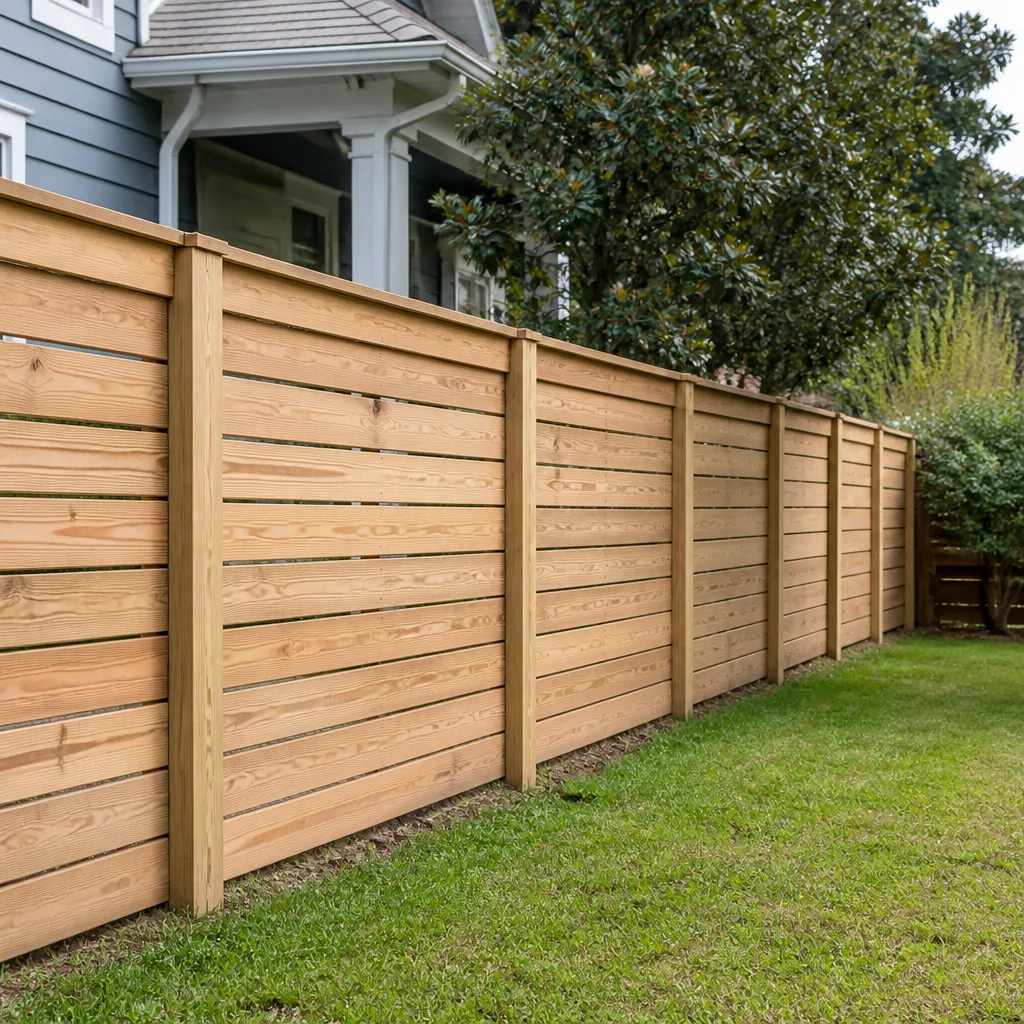 Fence
Free written scope consultation - allowances, timeline, and change-order rules on paper before a single trade is scheduled
Choosing the Right Construction Brand: A Buyer’s Guide for Ontario
A window brand with a national Energy Star rating can still underperform in Ontario’s climate if its solar heat gain coefficient isn’t optimized for west-facing exposures in high-sun regions. That spec rarely comes up in showroom conversations, yet it determines whether your cooling bill stays flat or climbs every summer afternoon. This guide gives you a framework for evaluating construction brands the way a Workshop Contractors home estimator does: by performance data, warranty enforceability, and how the product actually behaves through an Inland Empire August. You’ll learn what separates a brand worth paying for from one that just markets well, category by category.
Quick Answer
The right construction brand for your Ontario project is one that meets California Title 24 energy compliance thresholds, carries a warranty enforceable through a local authorized installer, and demonstrates performance in hot-dry climates rather than national averages. For Ontario homeowners, that typically means prioritizing UV-stable roofing materials, low-SHGC windows for west-facing glass, moisture-cycling-tolerant siding, and radiant-barrier attic insulation. A general contractor with established vendor relationships can often secure product allocations, volume pricing tiers, and direct warranty claim support that independent homeowner purchases cannot replicate—something we cover in depth in The Complete General Contractor Guide for Ontario Homeowners.
Styles & brands we work with
Table of Contents
- Title 24 vs. Energy Star: What Actually Matters for Ontario Permits
- Warranty Reality: What ‘Limited Lifetime’ Actually Covers
- Roofing Brands for Ontario’s UV and Heat Load
- Window Brands and the SHGC Conversation Nobody Has
- Siding Brands and Dry-Climate Moisture Cycling
- Insulation: The Attic Radiant Heat Problem
- How Contractor Vendor Relationships Change What You Pay
- Common Mistakes to Avoid
Title 24 vs. Energy Star: What Actually Matters for Ontario Permits
Energy Star is a national benchmark. Title 24 is a California legal requirement. If your Ontario project pulls a permit, the inspector checks Title 24 compliance, not the Energy Star sticker. The two systems measure different things, and a product can carry Energy Star certification while missing California’s stricter thresholds for fenestration, insulation, and roofing reflectance.
Title 24 sets mandatory minimums for window U-factor and solar heat gain coefficient by climate zone. Ontario sits in climate zone 10, where cooling loads dominate. That means the code cares more about how much solar radiation a window admits than how well it holds heat. Energy Star’s national map, by comparison, averages zones across the country and sets thresholds that are reasonable for Omaha and inadequate for Ontario.
Here is the practical takeaway for a permitted project in Ontario:
- Check the product’s California-specific compliance documentation, not the national marketing sheet.
- For windows and doors, confirm the exact SHGC rating for the specific glass package being quoted, not the best-case rating in the brochure.
- For roofing, verify that the shingle or tile product meets California’s cool roof reflectance standards where applicable for your roof slope and exposure.
- Ask your contractor to include Title 24 documentation in the permit package, which confirms the product meets code before installation begins.
We source products from manufacturers like CertainTeed and Owens Corning specifically because their California SKUs carry clear, well-documented Title 24 compliance data. That documentation makes permit submissions cleaner and removes guesswork during inspection. A brand’s willingness to publish California-specific performance data tells you something about how seriously it takes this market.
Warranty Reality: What ‘Limited Lifetime’ Actually Covers
“Limited lifetime” is a marketing phrase that means different things in different product categories, and the limitations matter more than the lifetime. In roofing, a limited lifetime warranty typically covers manufacturing defects on a prorated basis after an initial non-prorated period, often ten years. Labor, tear-off, disposal, and flashing work are usually excluded. In windows, a limited lifetime warranty may cover the vinyl frame and glass seal, but exclude screens, hardware, and labor after a short window.
The factor that determines whether a warranty has real value is authorization. Manufacturers enforce warranty claims through their network of certified installers. A homeowner who buys the same shingle from a big-box store and hires an unaffiliated crew may find that the manufacturer denies a claim because the installation did not meet their published requirements. The warranty lives or dies at the installation quality and the installer’s standing with the brand.
Here is what to check before you commit to a brand:
- Does the warranty require installation by a manufacturer-certified contractor to remain fully enforceable?
- Does the non-prorated period last ten years, fifteen years, or only five?
- Is labor covered for any period, or only materials?
- Does the warranty transfer to a second owner, and at what reduced coverage?
- Who files the claim if something fails, and what is the documented process timeline?
When we install roofing, windows, or siding in Ontario, we manage warranty registration and claims as part of the project. That is not a bonus service. It is the only way a warranty functions. If you are comparing brands, compare the warranty enforcement pathway, not just the warranty headline.
Roofing Brands for Ontario’s UV and Heat Load
Ontario sees sustained summer temperatures above 100°F with dry air and intense UV exposure. Roofing materials in this climate fail by oxidation, thermal cycling, and granule loss before they fail by water intrusion. That reality should steer brand selection toward manufacturers whose products are formulated for high-UV, high-heat regions rather than national average conditions.
Owens Corning and CertainTeed both produce asphalt shingle lines with UV-stabilized granules and reinforced mats that hold up meaningfully better in prolonged sun than economy lines. IKO and Atlas offer alternatives at different price tiers, and the trade-off conversation usually comes down to granule retention, algae resistance, and wind rating. In Ontario’s dry climate, granule loss on a low-tier shingle accelerates noticeably within the first five years because there is no regular rain to wash away loose granules gradually. They accumulate in gutters and expose the asphalt mat underneath.
The brand decision matters less than the product line within the brand. Every major manufacturer sells an economy line, a mid-tier architectural line, and a premium line. The architectural lines from Owens Corning and CertainTeed are the most common choice we recommend for Ontario homes because they balance UV performance with a cost that does not require financing gymnastics. The premium lines add impact resistance and superior wind ratings, which matter if your Ontario neighborhood sits in a wind-exposed area near the foothills.
For tile roofing, the conversation shifts to weight and underlayment. Tile itself handles UV well, but the underlayment beneath it oxidizes and degrades in heat. A tile roof is only as good as the underlayment, and that is a brand and specification decision most homeowners never see. This is where a General Contractor in Woodcrest conversation becomes valuable: the product above the decking matters, but the layers you cannot see determine the roof’s actual lifespan.
Window Brands and the SHGC Conversation Nobody Has
Solar heat gain coefficient, or SHGC, measures how much solar radiation passes through a window. In Ontario, west-facing windows without an optimized SHGC turn rooms into ovens every afternoon from May through October. A window with a national Energy Star rating may still admit enough solar radiation to drive cooling costs up and fade furniture near the glass.
The number to look for on a west-facing window in Ontario is an SHGC of 0.25 or lower. South-facing windows can tolerate a slightly higher SHGC because the sun angle is more vertical and manageable with overhangs. East-facing windows benefit from low SHGC too, though morning sun is less brutal than afternoon radiation. North-facing glass rarely needs aggressive SHGC optimization.
Window brands differ in how they achieve low SHGC. Some use low-emissivity coatings tuned for southern climates, which preserve visible light while rejecting infrared. Others use tinted glass that lowers SHGC but darkens the room noticeably. Brands with a strong California product lineup, including the major manufacturers carried by most supply houses in the region, generally offer both approaches. The conversation to have with your contractor is not “which brand” but “which glass package within that brand.”
Frame material matters as well. Vinyl frames in Ontario’s dry heat can warp if the extrusion is thin or the manufacturer uses recycled content without adequate UV stabilizers. Fiberglass frames handle thermal movement better but cost more. Aluminum frames conduct heat readily and can contribute to condensation and heat transfer at the frame edge. The frame decision should follow from the specific window’s sun exposure and the level of maintenance the homeowner is willing to accept over twenty years.
Siding Brands and Dry-Climate Moisture Cycling
Siding in Ontario faces a moisture cycling pattern that differs from coastal California. The air is dry most of the year, but winter brings condensation cycles, occasional heavy rain, and wide overnight temperature swings. Materials that perform well in humid climates can develop issues in dry climates when they expand and contract through these cycles.
Fiber cement siding, which includes the product category where CertainTeed competes alongside other established manufacturers, handles dry-climate moisture cycling well because it is dimensionally stable and does not absorb water readily. Vinyl siding expands and contracts with temperature more dramatically, and poorly installed vinyl in Ontario’s heat can buckle when it does not have room to move. Wood siding in a dry climate risks checking and splitting unless it is painted and maintained consistently.
The brand decision for siding in Ontario comes down to three factors: the product’s coefficient of thermal expansion, the manufacturer’s installation specification for dry climates, and the paint or finish system’s UV stability. A siding product that fades visibly after three seasons in direct sun loses curb appeal long before it fails structurally. The finish warranty language should be read as carefully as the structural warranty, because in Ontario, UV degradation of the finish is usually the first visible sign of wear.
When we handle Home Remodeling in Woodcrest projects that include siding, we walk through these three factors with the homeowner before any product is ordered. The best siding brand for a shaded north wall may not be the best choice for an unshaded west wall on the same house.
Insulation: The Attic Radiant Heat Problem
Attic insulation in Ontario contends primarily with radiant heat from the roof deck, not conductive heat loss through the ceiling. On a 105°F day, the underside of a roof deck can reach 150°F or higher. That heat radiates down into the attic space, and without a radiant barrier or adequate insulation depth, it transfers through the ceiling into the living space.
The performance metric that matters most here is not the R-value alone. It is the combination of R-value, installation quality, and the presence of a radiant barrier where appropriate. Fiberglass batts in an attic perform fine up to a point, but blown-in fiberglass or cellulose can achieve better coverage around trusses and penetrations. Spray foam offers air sealing benefits that batts and blown products cannot match, at a meaningfully higher cost.
For Ontario’s climate zone, the insulation conversation starts with the existing attic condition:
- Measure current insulation depth and type. Many Ontario homes built before 2000 have R-19 or less in the attic.
- Check for air leaks around ceiling penetrations: can lights, attic hatches, bathroom fans, and plumbing chases.
- Evaluate whether a radiant barrier makes sense for the roof geometry and orientation.
- Decide between adding blown-in insulation over existing material versus removing and starting fresh.
- Confirm that any insulation upgrade will meet Title 24 requirements for the permitted scope of work.
Insulation is rarely a brand-driven purchase the way roofing or windows are, but the material specification and installation quality matter enormously. A name-brand insulation product installed poorly performs worse than a commodity product installed well. This is a category where the installer’s competence outweighs the product’s marketing.
How Contractor Vendor Relationships Change What You Pay
When a general contractor carries established relationships with specific manufacturers, three things happen that independent homeowner purchases cannot replicate, as outlined in our Complete Guide to Construction in Ontario. Product availability improves, pricing tiers shift, and warranty claim support becomes direct instead of filtered through a retail channel.
Availability matters more than most homeowners expect, especially in a supply-constrained market. A contractor who orders from a manufacturer weekly can often secure product allocations that a homeowner walking a big-box aisle cannot. When a specific window line or shingle color is on backorder, the contractor’s account standing with the distributor affects where your project sits in the queue.
Pricing tiers are real, though the savings vary by category. A contractor with annual volume through a specific window or roofing manufacturer may pay a lower unit price than a homeowner pays retail. That does not always translate to a lower total project cost, because labor and overhead are the larger line items, but it does mean the homeowner can sometimes access a higher product tier within the same budget.
Warranty claim support is the least visible and most consequential difference. When a product fails and the contractor who installed it has a direct relationship with the manufacturer’s territory representative, the claim process moves faster and faces less friction. When the product came from a retail channel and the installer has no standing with the brand, the claim can stall. A Home Renovation in Woodcrest project with a single accountable contractor means one place to make the call when something goes wrong.
Brand-shopping on price alone carries a hidden risk in Ontario specifically: California code compliance creates a minimum performance threshold that cheaper products may not meet. For a detailed analysis, see our Construction Cost Breakdown: The Ontario Homeowner’s Reference for 2026. A window that fails Title 24 cannot be legally installed in a permitted project. A roofing product that does not meet California’s reflectance standards may require a variance or a different product selection. The cheapest brand option is sometimes not legal to install at all, and discovering that after purchase is an expensive lesson.
Common Mistakes to Avoid
- Trusting national Energy Star ratings without checking Title 24 compliance. A product that passes the national bar can still fail California’s stricter standards. Confirm California-specific documentation before ordering anything for a permitted Ontario project.
- Reading the warranty headline instead of the warranty terms. “Limited lifetime” with a five-year non-prorated period and no labor coverage is a five-year warranty with a long tail. Read the limitations before comparing brands on warranty strength.
- Ignoring SHGC on west-facing windows. An Ontario homeowner who chooses windows by U-factor alone will overheat rooms facing the afternoon sun. Ask for the exact SHGC on the quoted glass package, not the brochure’s best-case number.
- Buying the brand instead of the product line. Every major manufacturer sells good products and budget products under the same logo. The brand name tells you less than the specific product series and its performance data.
- Purchasing materials independently without an installer commitment. A contractor-facing manufacturer honors warranties through authorized installers. A homeowner who buys materials first and hires labor second often discovers the warranty path is murky.
- Comparing contractor bids by price without considering product tier. Two bids can look similar in scope but differ significantly in material quality. Ask each bidder to list exact product lines and glass packages so the comparison is apples to apples.
- Skipping the attic inspection before insulation work. Adding insulation over air leaks and existing problems compounds the issue. The attic needs a proper assessment before any insulation brand or type is selected.
See the difference
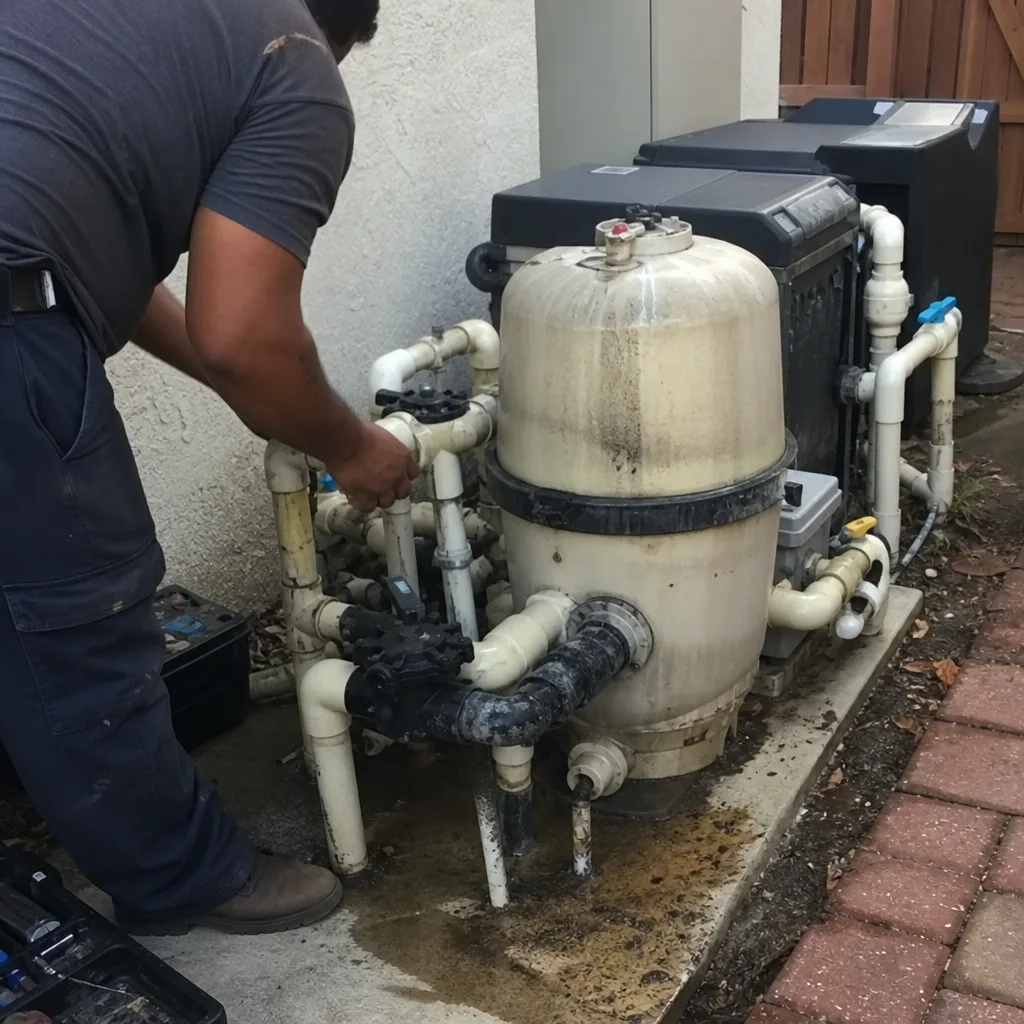 Before
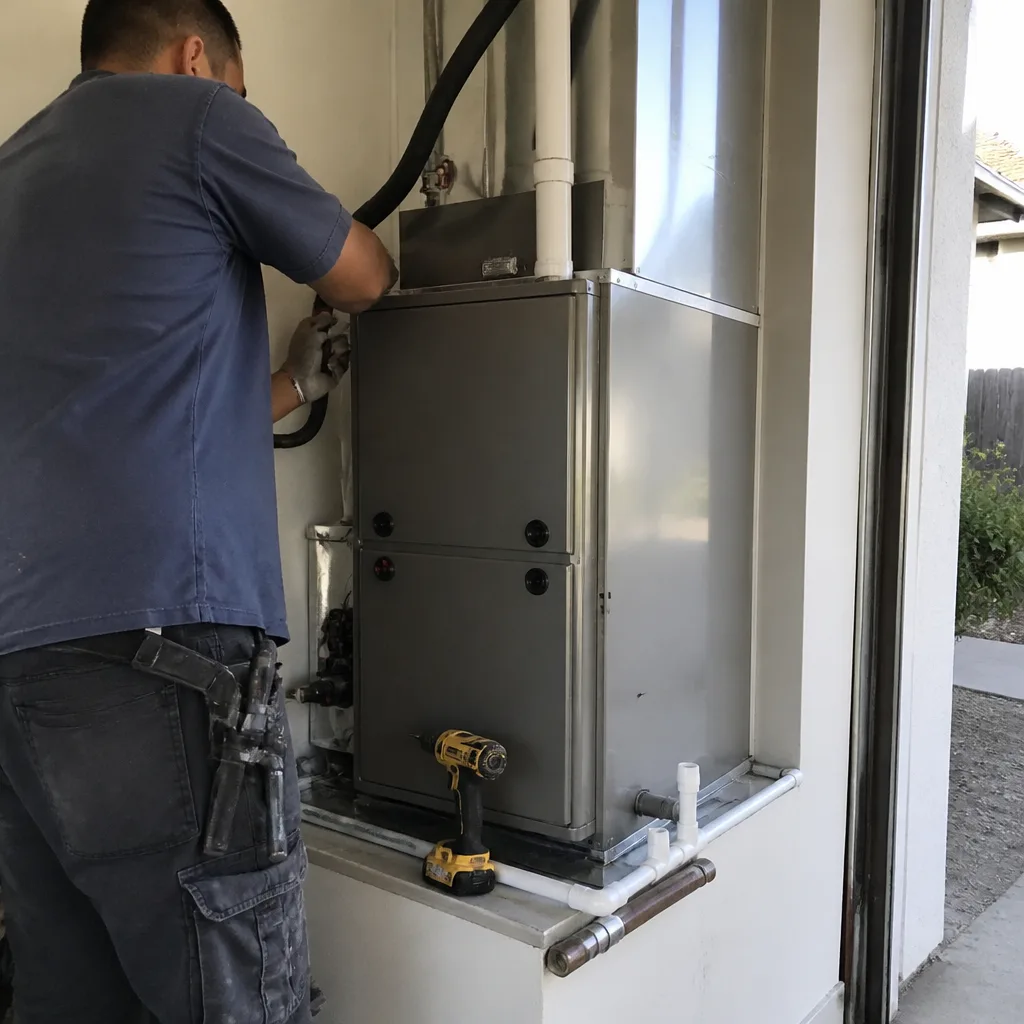 After
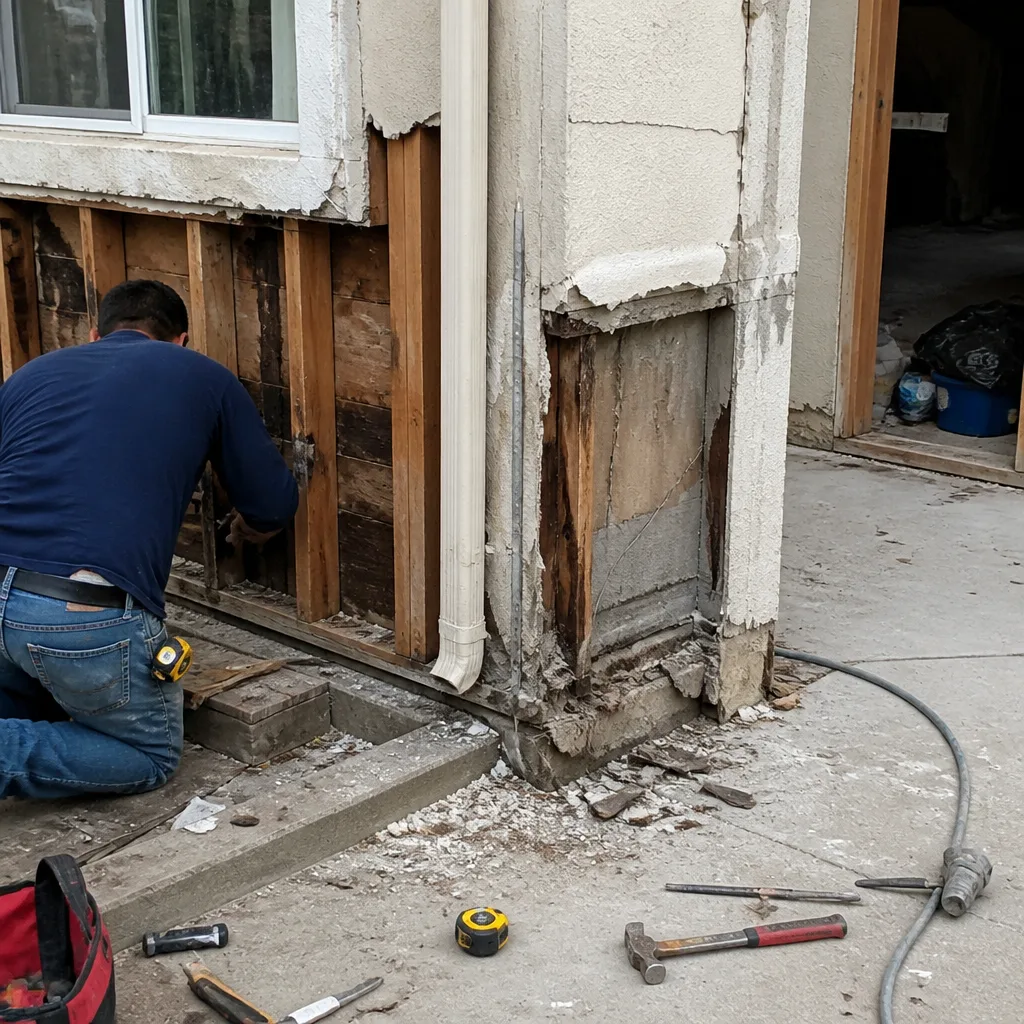 Before
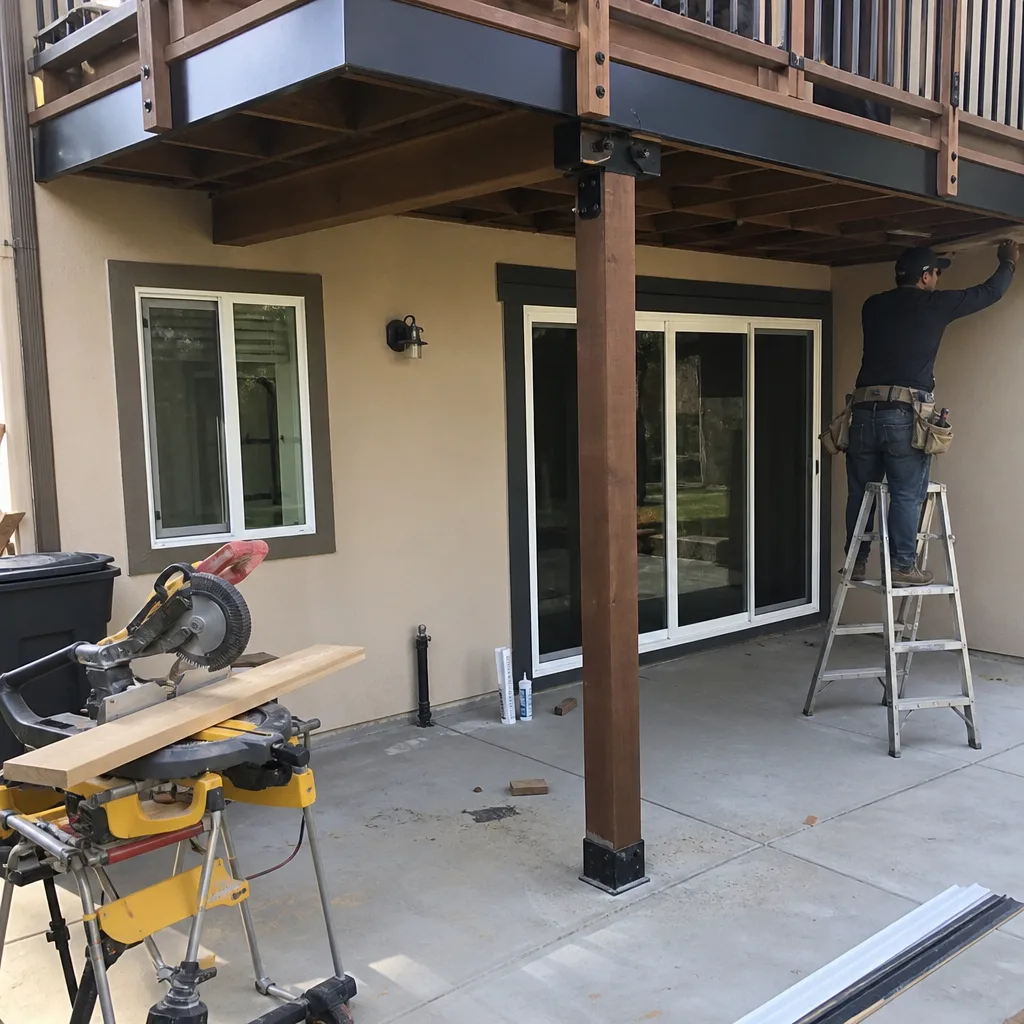 After
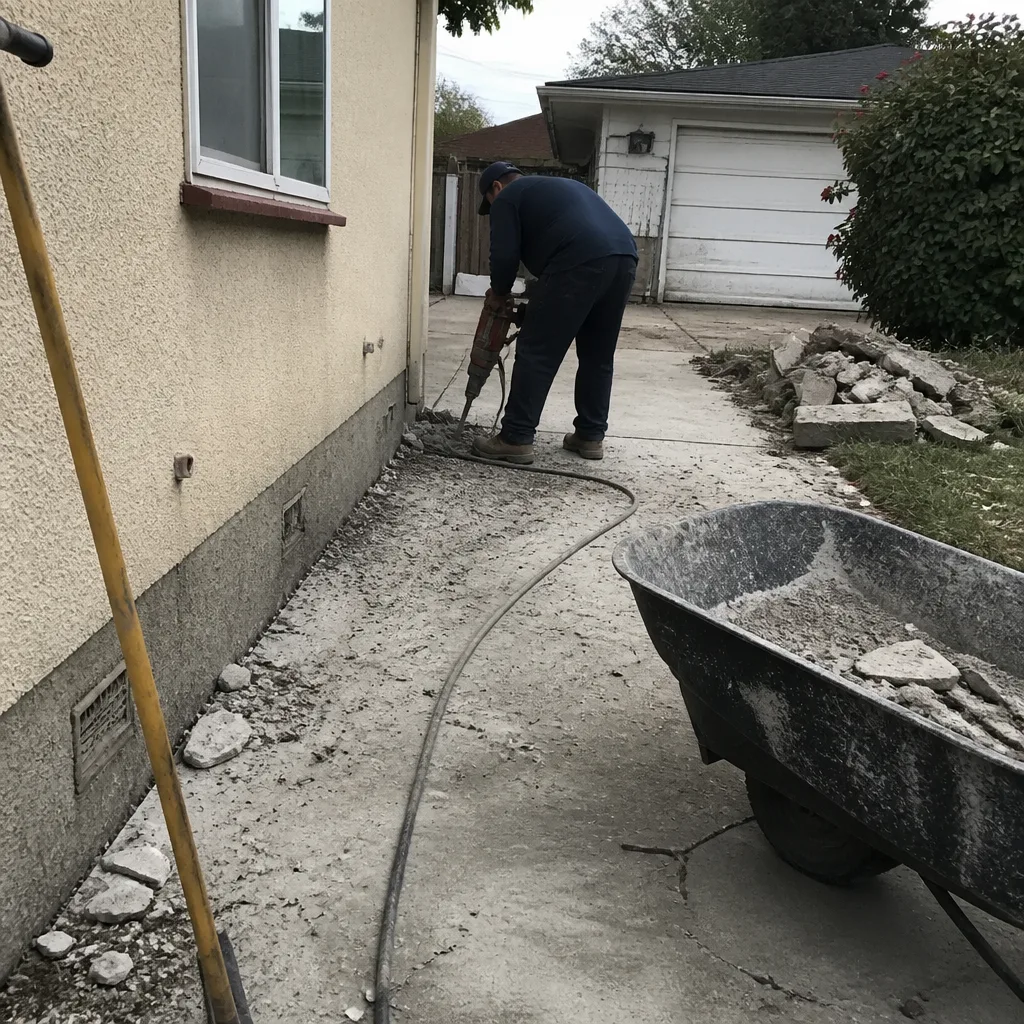 Before
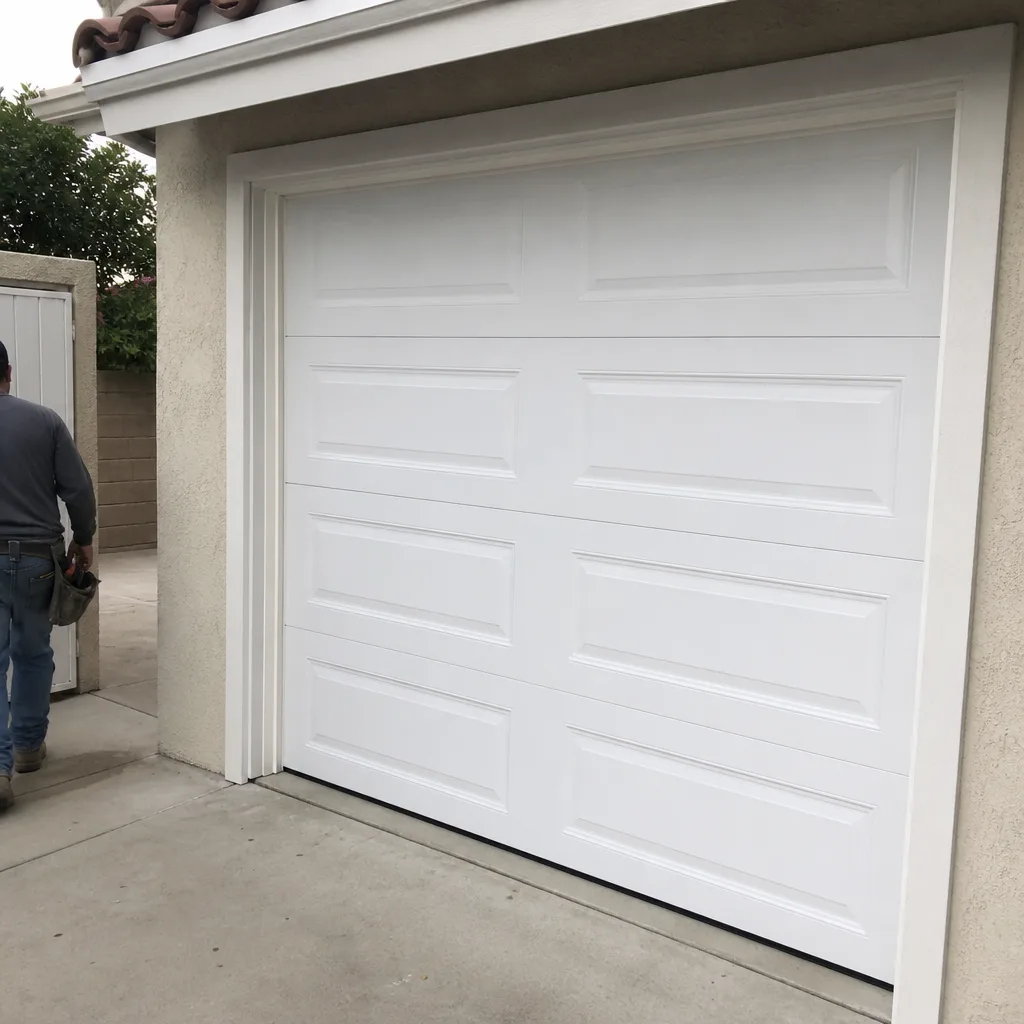 After
When to Call a Professional
If your Ontario project involves a permitted scope that requires Title 24 documentation, a roofing replacement, window replacement affecting exterior walls, siding removal, or attic insulation work that touches the building envelope, a licensed general contractor is the right call. The stakes are structural and regulatory, not cosmetic. If your warranty depends on manufacturer-certified installation, a professional relationship with the brand is the only way that warranty remains enforceable.
Workshop Contractors offers free estimates in Ontario. Call (844) 384-3361 to schedule one, and we will walk your specific scope with the brands we carry and the performance data that applies to your house.
Frequently Asked Questions
The best roofing brand for Ontario homes is one with a UV-stable architectural shingle line, documented California cool roof compliance, and a strong warranty enforcement network in the region. Owens Corning and CertainTeed are the most common recommendations we make for Ontario’s heat and sun exposure. Call (844) 384-3361 for a quote on the specific product that fits your roof.
Request the specific glass package’s California compliance documentation from the window dealer or contractor, and confirm the SHGC and U-factor meet climate zone 10 requirements. Do not rely on an Energy Star label, which uses national thresholds. Our team verifies this documentation for every window project in Ontario before ordering materials.
Limited lifetime warranties cover manufacturing defects on a prorated basis after the initial non-prorated period, and they typically exclude labor, tear-off, and disposal. The warranty’s real value depends on the length of the non-prorated period and whether your installer is authorized by the manufacturer. Call (844) 384-3361 if you want us to review the warranty terms on your proposed product.
Target an SHGC of 0.25 or lower for west-facing glass in Ontario to control afternoon heat gain. East-facing windows also benefit from low SHGC. South-facing windows can typically tolerate a slightly higher value, and north-facing glass rarely needs aggressive solar control.
Technically yes, but the warranty and performance risk falls on you. Manufacturers enforce warranties through authorized installers, and an independent purchase followed by an unaffiliated installation creates ambiguity in any claim scenario. For Ontario permitted work, the stronger path is a single contractor who sources, installs, and registers the warranty.
Contractors with established vendor accounts can often access product allocations and priority ordering that retail channels cannot. When a specific window line or shingle color is backordered, account standing with the distributor influences where your project sits. (844) 384-3361 connects you with our team if you want to know current availability for a specific product.
The Bottom Line
Brand selection for an Ontario construction project comes down to three questions: does the product meet California Title 24 for this climate zone, is the warranty enforceable through a local authorized installer, and does the specific product line’s performance data fit your home’s sun and heat exposure. National marketing claims and Energy Star badges do not answer those questions. A general contractor with established vendor relationships, clear documentation practices, and experience across roofing, windows, siding, and insulation gives you a single accountable partner through the entire material and installation process. For Ontario homeowners, that structure beats brand-shopping in a vacuum. Explore more guides & resources for your next project.
Written by the team at Workshop Contractors, serving Ontario since 2011.